After the fat is absorbed, the chylomicrons enter the liver and tissues, where they are utilized. Fat circulates in the blood and enters the liver and cells.
Lipoprotein lipase acts on the circulating chylomicrons, VLDL, and triglycerides to make free fatty acids and glycerol. This lipolysis reaction remarkably increases adipose cells’ free fatty acid and glycerol content.
Feeding increases Lipoprotein lipase activity. Therefore, more free fatty acids and glycerol enter the fat cells after feeding.
Fasting and stress decrease Lipoprotein lipase activity, so little free fatty acids and glycerol are available for the fat cells.
Fate of fat in the tissues
Hormone-sensitive lipase catalyzes stored triglycerides into free fatty acids and glycerol. As its name suggests, it is hormone-dependent.
Growth hormone, glucagon, cortisol, epinephrine, and norepinephrine increase activity.
Insulin, prostaglandin E, and feeding decrease its activity.
In this way, we observe that feeding favors fat accumulation in the adipose cells.
Fate of fat in the liver
As chylomicrons enter the liver, ‘liver lipase’ breaks it into free fatty acids and glycerol. This is a very quick reaction.
Phase I metabolism of fat
Triglycerides————–free fatty acids + glycerol.
The glycerol is utilized in the carbohydrate pathway. Glycerol in the carbohydrate metabolism may combine to form fats.
Phase II metabolism of fat.
The fatty acids are oxidized to ‘acetyl-co A’ by β-oxidation of fatty acids.
Phase III metabolism of fat.
‘Acetyl-CoA’ is usually wholly oxidized to form CO2, H2O, and energy.
‘Acetyl-CoA’ may form pyruvic acid and may form carbohydrates.
Excess ‘Acetyl-CoA’ recombines to form ketones.
Role of the liver during carbohydrate deficiency
When carbohydrate concentration decreases, the liver can increase fat metabolism to produce more acetyl-CoA and aceto-acetic acid for energy.
When carbohydrate concentration increases, the liver converts it into fats and stores it.
β-oxidation of fatty acids.
When chylomicrons enter the liver, ‘liver lipase’ breaks them quickly into free fatty acids and glycerol.
Triglycerides————–>free fatty acids + glycerol.
Fatty acids are long-chain, mainly with 16 to 18 carbon atoms, like palmitic acid, stearic acid, and oleic acid.
In the liver mitochondria, these long-chain fatty acids are broken into two carbon molecules: acetyl-CoA. A chain of 16 carbon atoms produces eight acetyl-CoA.
This is an oxidative reaction in which two carbon acetyl-CoA are serially split off from the long-chain fatty acids.
An 18-carbon fatty chain acid will form 9 acetyl-CoA.
Acetyl-CoA is an active acetate which may be used in three ways:
1. to produce energy.
2. to form ketone bodies
3. to form glucose.
4. to form fatty acids.
5. may cause acetylation reaction.
Thank you for reading.
Was it helpful?
beta-oxidation of fatty acid
Thank you very much for reading. I appreciate that you spent some time with us. If you enjoyed reading, do me a small favor: Please leave a review or a comment. Your comments will encourage other folks to read.
Disclaimer: All possible measures have been taken to ensure the accuracy and reliability of the information; however, we do not take any liability for using any information provided by the website solely to the viewers. ‘The information is provided as an educational service and public awareness. It is not medical advice. We advise you to review a reference book in case of any doubt and more accurate and advanced knowledge.
In this article, I want to discuss some of the leading causes of fatty liver disease. As you know, this prevalent condition affects one in three adults globally. In India, the incidence is also 1:3.
Causes
So some of the leading causes of fatty liver are:
1. Metabolic factors-obesity
2. Dietary factors high fat diet, high calorie diet-excess carbohydrate.Excess diet.
3. Smoking
4. Alcohol consumption
5. Lack of sound sleep
6. Family history
7. Medications, especially paracetamol
8. Toxins and chemicals.
9. Imbalance diet
10. Malnutrition
11. Crash diet
12. Health conditions-polycystic ovary syndrome(PCOS)
13. Sedentary lifestyle- Lack of exercise.
Please let me know if you want to add other causes in the comment box.
You feel loneliness when you experience mental and or emotional discomfort from being alone or feeling as though you are alone.
American Psychological Association defines loneliness as affective and cognitive discomfort from being or perceiving oneself alone or otherwise solitary.’
Anyone can feel lonely at some point in their life. Loneliness is a complex emotion that affects anyone regardless of age and sex. It is common in both sexes. It is different from being alone.
Loneliness and ‘being alone’ are different.
Being alone is a physical condition. You do not surround yourself with family, friends, or relatives. You are living alone in another city. But you can communicate with your family, friends, and co-workers.
However, loneliness is a feeling; it is not materialistic. You may feel lonely even when your family and friends surround you. The reverse is also true. When you are alone, you may not feel lonely—you will feel happy. You connect with your family, friends, and co-workers through good communication or activities.
Loneliness may be short-term loneliness or chronic loneliness. Loneliness can be intense and painful.
Vulnerable groups are:
Elderly persons.
Young adults
Single mother
Financial insecure person.
Causes of Loneliness:
There are various causes of loneliness. Some critical factors are:
Major life changes include retirement, a change in job, a relationship break-up, a change of school, or starting college.
Death of a family member or close friend.
Major loss in business.
Financial dependency and insecurity.
Social isolation.
Physical limitation for activities and social activities.
Prolonged illness and disability.
Introvert
Mental diseases like depression, excessive stress, and strain. Poor self-esteem plays a vital role in the development of loneliness.
Family history may be present, and hereditary factors play a vital role in developing loneliness.
Prevention of loneliness:
1. Role of society:
Provide financial support, free medical treatment, and social security. Family, friends, and co-workers must also support high-risk individuals.
2. Role of individual:
It would help if you shared your feelings with your family and co-workers.
Regular exercise, meditation, reading, and yoga are helpful.
Engage in family work, social work, and hobbies to keep yourself busy. Manage your needs and expenditures.
3. Medical advice
Take the advice of medical professionals and social workers. Many therapies are present, and many are evolving daily. Some frequently used medical therapies are Cognitive-behavioral, psychodynamic, and talk therapy.
This article is a crucial resource that will equip us with essential knowledge about respiratory arrest, its causes, signs, and symptoms. It also provides a comprehensive outline of management strategies, emphasizing the urgency of understanding this life-threatening condition.
This article is part of my mission to provide trustworthy recent health information to support the general public, patients, and professionals globally.
Here, you will find human Physiology and health-related topics.
This article is designed for an international audience of medical care providers and learners to reinforce their knowledge of managing respiratory arrest.
This activity aims for learners to apply the latest scientific knowledge better.
Upon completing the article, you will have increased knowledge regarding the subject and use it with great confidence.
Introduction
Respiratory arrest is a critical condition when there is complete cessation of breathing or respiration. Respiratory arrest is a life-threatening condition that requires immediate treatment to save a life.
Here’s a detailed description of respiratory arrest, including its causes, symptoms, signs, and treatment.
Definition
When the lungs fail to function, resulting in the stoppage of gaseous exchanges-especially exchanges of oxygen and carbon dioxide. When gaseous exchanges stop, they produce multiple disastrous effects on the body, leading to the failure of vital organs, for example, the heart, brain, and kidneys, in seconds. Cessation of gaseous exchange in the lungs for more than 5 minutes will cause permanent brain damage, and cardiac arrest will follow, leading to death.
There are multiple causes for this respiratory arrest, such as obstruction of the respiratory passage, severe infection, and drugs.
Causes
1. Obstruction of the respiratory passage can stop breathing. The obstruction could be from blood, vomitus, mucus, saliva, a foreign body, or accidental entry of food or water in the respiratory passage.
Spasms of the vocal cord and edema of the epithelial lining of the vocal cord will prevent air entry into the air passage.
2. Trauma:
Injuries to the neck, chest, or spinal cord can damage the structures essential for respiration, such as muscles and nerves.
3. Respiratory diseases:
Obstructive pulmonary disease, severe pneumonia, or asthma can cause respiratory arrest during severe exacerbation.
4. Drug overdose
Certain drugs like opioids, benzodiazepines, and barbiturates can depress the respiratory centers, leading to respiratory arrest.
5. Central nervous system:
Conditions involving respiratory centers in the brain, like stroke or tumors, may cause respiratory arrest.
5. When compressed in a crowd.
6. Some diseases are myasthenia gravis and botulism.
6. During operations.
Symptoms
Just before complete respiratory arrest, the patient may be agitated, confused, and struggling to breathe. Symptoms develop very rapidly, and the patient will faint and become unconscious within no time.
Signs
1. Gasping or no breathing. No respiratory movements.
Cyanosis is a bluish discoloration of the skin and mucosa due to excess (> 5gm%/dl) reduced hemoglobin in the blood. Cyanosis will become apparent in the skin in a few seconds.
3. Unconcious and unresponsive: The patient will not respond to stimuli.
4. Heartbeats and pulse are present, but the patient is not breathing. It is a respiratory arrest. However, after 5 minutes, the heart will also stop.
Diagnosis :
The diagnosis is clinical. The absence of breathing and breathing movements of the chest and abdomen and the patient’s unresponsiveness recognize it. The lack of breathing is identified by putting your palm near the patient’s nostrils. Anybody can also acknowledge carefully observing the chest and abdomen for breathing movements.
The absence of breathing is recognized by putting your palm near the patient’s nostrils.
Careful observation of the chest and abdomen for breathing movements can recognize them.
Management
The treatment for respiratory arrest must be prompt and involve multiple medical science disciplines.
Clear the airway
Position the patient in the prone position.
CPR
Ventilation
Medication
Refer
Prevention
1. Proper management of chronic lung disease.
2. Taking precautionary steps to avoid injury.
3. Avoid injudicious use of drugs.
4. Monitor high-risk patients closely.
Prognosis
The outcome of a respiratory arrest depends on the underlying cause and timelines of the response.
Conclusion:
In conclusion, respiratory arrest is a severe emergency that requires rapid treatment to prevent brain damage and death. This article has conferred a complete understanding of the condition, including its causes, symptoms, diagnosis, and management. By applying this knowledge, medical care providers and learners can be crucial in saving lives.
This article provides a comprehensive description of respiratory arrest. For more detailed information, go to totalphysiology.com.
Now that you’ve learned about respiratory arrest, it’s time to implement your knowledge. Consult medical resources or healthcare professionals for more details, and start applying what you’ve learned to your practice.
इस लेख में हम अंतर्राष्ट्रीय योग दिवस के विषय में बहुत कुछ जानेंगे |अंतर्राष्ट्रीय योग दिवस कब मनाया जाता है,इसका महत्व एवं बहुत कुछ जो आप जानना पसंद करेगें |
भारत के प्रधान मंत्री ,माननीय नरेंदर मोदी जी ने २७ सितम्बर २०१४ को संयुक्त राष्ट्रसंघ के अपने सम्बोधन में २१ जून को योग दिवस मनाने का सुझाब दिया |
२१जूनहीक्यू ?
हिन्दू पौराणिक मान्यतों के अनुसार ‘आदि योगी’ भगवान शिव ने इस दिन योग के सिख अपने भक्तों को दिया ,जिस के कारण भगवान शिव को आदि गुरु भी कहा जाता है |
आप सोचेंगे २१ जून को ही क्यू योग दिवस मनाने का सुझाब दिया गया|तो मै आपको बताना चाहुँगा के इसके पीछे कारण है | पहला तो यह के २१ जून उत्तरी गोलार्द्ध में सबसे लम्बा दिन होता है | इस दिन सूर्योदय और दिनों के तुलना में पहले होता है ,और सूर्यास्त बाद में होता है|(२१ जून दक्छिन गोलार्द्ध में सबसे छोटा दिन होता है |) विश्व के कई भाग में इस दिन का खास महत्ब है |
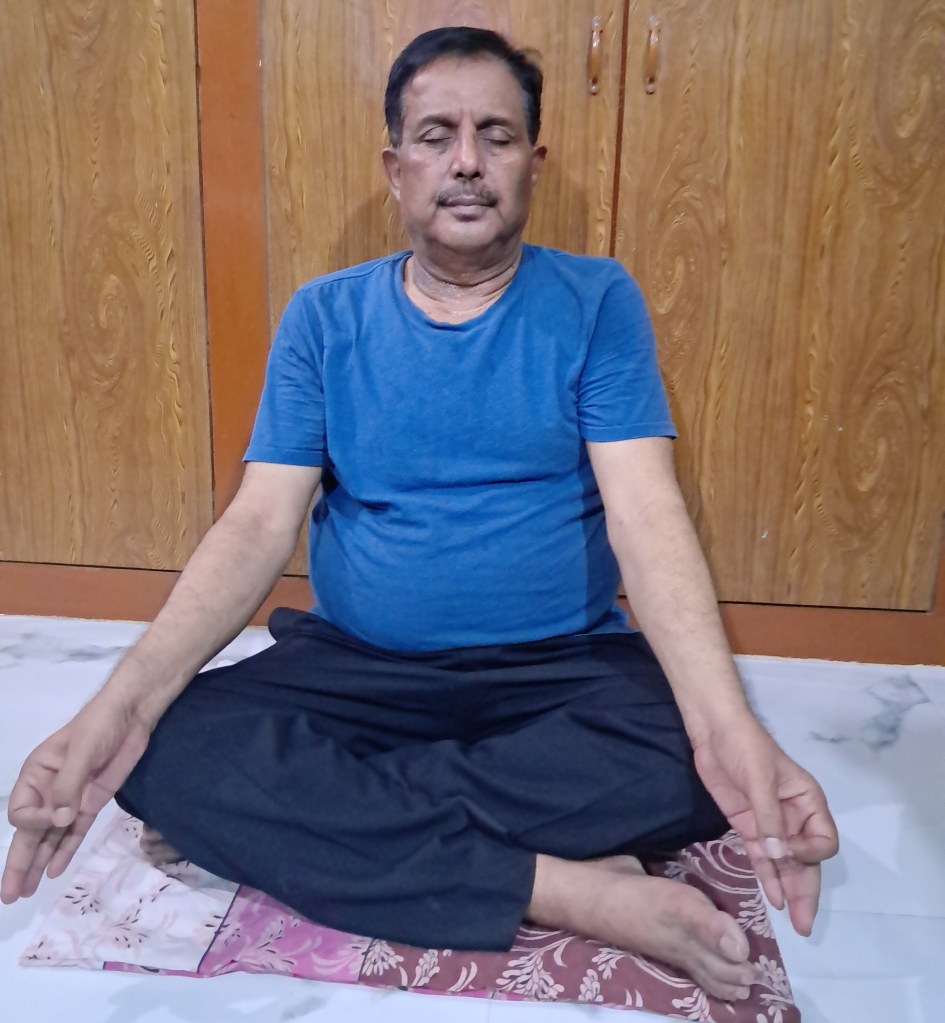
The Author Practicing Yoga
११ दिसंबर २०१४ को संयुक्त राष्ट्रसंघ में भारत के राजदूत श्री अशोक कुमार मुखर्जी ने संयुक्त राष्ट्रसंघ के आम सभा में एक एक प्रारुप पेश किया,जिसको १७७ देशों के प्रतिनिधियों ने प्रायोजित केर दिया | एवं विश्व के लगभग सभी माननीय नेताओं ने इसका समर्थन किया |
माननीय नरेंदर मोदी जी के प्रस्ताव पर गहराई से विचार विमर्श के बाद २०१४ में ही संयुक्त राष्ट्रसंघ (यूनाइटेड नेशन)ने एक ‘डे ऑफ़ योगा ‘ के नाम से एक प्रारुप तैयार कर ,भारत के प्रतिनिधि को सौंप दिया |
संयुक्त राष्ट्रसंघ ने २०१५ से हर वर्ष २१ जून को पुरे संसार में ‘अंतर्राष्ट्रीय योग दिवस’ मनाने का आदेश पारित कर दिया | इसके बाद से हर वर्ष २१ जून को पुरे संसार में ‘अंतर्राष्ट्रीय योग दिवस’ मनाया जाता है |
पहलाअंतर्राष्ट्रीययोगदिवसकबमनायागया ?
वर्ष २०१५ के २१ जून को पुरे संसार में पहला ‘अंतर्राष्ट्रीय योग दिवस’ पुरे उत्साह एवं उमंग के साथ मनाया गया | अंतर्राष्ट्रीय योग दिवस पे हर साल एक थीम, नारा देता है |वर्ष २०१५ का पहला थीम ‘सद्भाव एवं शांति के लिए योगा’ था |
आयुष मंत्रालय हर वर्ष अंतर्राष्ट्रीय योग दिवस पर एक थीम, नारा देता है |
वर्ष २०२४ का थीम है – ‘महिला सशक्तिकरण के लिए योग’
वर्ष २०२३ का थीम है -‘वसुधैव कुटुम्बकम के लिए योग’,एक विश्व एक स्वास्थय|
वर्ष २०२२ का थीम था-‘मानवता के लिए योग’
वर्ष २०२१ का थीम था- ‘स्वास्थय के लिए योग’
वर्ष २०२० का थीम था -‘घर में रहकर योग करें ‘
वर्ष २०१५ में अंतर्राष्ट्रीय योग दिवस को महिमा मंडित करने के लिए भारतीय रिजर्व बैंक ने ‘अंतर्राष्ट्रीय योग दिवस’ लिखा हुआ एक दस रुपये का एक सिक्का जारी किया |
वर्ष २०१७ में संयुक्त राष्ट्रसंघ के पोस्टल विभाग ने योग के दस आसनों को एक पृष्ठ पर छाप कर अंतर्राष्ट्रीय योग दिवस को रेखांकित किया | (७ )
वर्ष २०१५ के २१ जून को भारतवर्ष में दिल्ली के राजपथ पर ३५९८५ लोगों के साथ माननीय नरेंदर मोदी जी एवं ८४ देशों के प्रतिनिधियों ने लगभग ३५ मिनटों के लिए योगाभ्यास किया ,जिसमे २१ आसनो को किया गया| इसके अलावा कई गावों ,कस्बों एवं शहरो में करोड़ों लोगों ने मनाया| इस के बाद से हर साल योगा में लोगों की संख्या बढ़ते जा रहें है |
अंतर्राष्ट्रीययोगदिवसमनानेकानोडलमंत्रालयकौनहै ?
भारत में आयुष मंत्रालय अंतर्राष्ट्रीय योग दिवस मनाने का नोडल मंत्रालय है |
अंतर्राष्ट्रीययोगदिवसकोमनानेकेकारण ?
अंतर्राष्ट्रीय योग दिवस से योग के प्रचार एवं प्रसार बहुत जोर शोर से हुआ| इसके पहले योगाभ्यास होता था ,परन्तु इतना प्रसारित नही था |पहले कंही कंही लोग योगाभ्यास करते थे|
योग भी अंतर्राष्ट्रीय योग दिवस के कारण योग को कई देशों ,एवं नेताओं का समर्थन मिला ,जिसके कारण योग तेजी से बढ़ा है | श्री अरविंदो ,स्वामी विवेकानंद एवं अन्य बड़े धर्मगुरुओं ने योग को जीवन की शैली बताया है | २०१५ में पोप फ्रांसिस ने अपने प्रवचन में योग को ईश्वर प्राप्ति का रास्ता बताया|
दुनिया भर में कार्यक्रमों का आयोजन करके योग लोगों को जागरुक किया जाता है ,और इसके फायदे से सब को अवगत किया जाता है | |
योगसेधर्मयासंप्रदायकारिश्ता ?
योग किसी धर्म या संप्रदाय का प्रचार एवं प्रसार नहीं करता है ,न ही किसी के विरुद्ध है,यह जीवन को ,मानव को उन्नति के शिखर पर ले जाने का मार्ग है ,एक प्रयास है | योग से जिन्दगी आनंद से जीने लायक हो जाता है
योगकेफायदे
योग और ध्यान एक विषय के रुप में स्थापित हो चूका है| योग पर शोध हो रहा है| चिकत्सा विज्ञानं में योग एक विषय है |
योग सिर्फ शारीरिक व्यायाम नही है ,इसके साथ ही इसमें मानसिक एवं अध्यात्मिक पहलु भी है | कोविड -१९ के वक्त योग ने बहुत लोगों की जान बचाए,इसके साथ ही अवसाद (depression)से बहुत लोगों को बचाया है |
हर दिन नियमत रुप से नियमत जगह पर नियमत समय तक योग करें,इससे आप निरोग रहेंगे|योग आपको ऊर्जावान ,तंदरुस्त रखता है| आप मानसिक शांति, भावनात्मक शांति को अनुभव करेंगे|
पार्क में ,या किसी खुले जगह या घर के एक जगह पर योग कर सकते है|
अगर आप पहले से योग करते है,तो इसे नियमित रुप से करें और दूसरों को भी योग करने के लिए प्रोत्साहित करें|
अगर आप पहले से योग नहीं करते है,तो इसे नियमित रुप से योगाभ्यास करना आज से ही प्रारंभ करें | और इस वर्ष १० वा योग दिवस है,इसके लिए आप तैयारी कर ले |
इस आलेख में व्यक्त किए गए विचार विभिन्न लेखों]संचार माध्यमों से लिए गए है और सभी सूचनाएँ मूल रुप से प्रस्तुत की गईं हैSaA व्यक्त किए गए विचार लेखक के निजी विचार नहीं हैं तथा इसके लिए किसी भी प्रकार से उत्तरदायी नहीं है|
This article is part of my mission to provide trustworthy recent health information to support the general public, patients, and professionals globally.
This article is for everyone globally, especially medical care providers and curious people. Here, you will find human Physiology and health-related topics.
This activity aims for learners to better apply the latest scientific knowledge.
Upon completing the article, you will have increased knowledge regarding the subject and use it with great confidence.
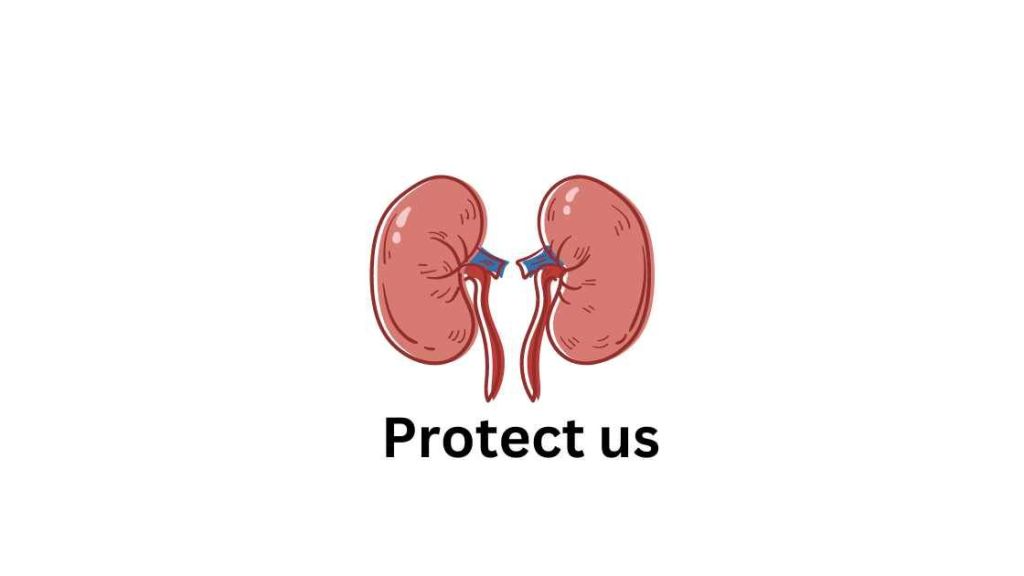
You have two kidneys. The kidneys are vital organs like the heart, lungs, and central nervous system. They perform many essential functions for life and maintain good health. Nephrons are the functional unit of the kidney. More than one million nephrons are present in each kidney
Some functions are
1. Filtering metabolic waste products from the blood and removing it through urine.
2. Maintaining electrolyte balance.
3. Maintaining fluid balance.
4. Synthysize many hormones.
5. Maintain blood pressure.
6.Activate vitamin D.
7. Release erythropoietin to stimulate red blood cell formation.
Healthy kidneys will perform proper functions. Early detection and solving of potential issues will maintain kidney health. Kidneys send simple signals when their health starts to deteriorate. But you usually ignore the simple indications until the kidney becomes very ill.
Every year, on the second Thursday in March, World Kidney Day is celebrated to promote awareness and educate people about their wonderful kidneys. One in ten people worldwide suffers from some renal issue.
‘is celebrated One in ten people worldwide suffers from some renal issue.
Kidney diseases have an insidious onset and only become apparent when the disease becomes severe. Therefore, you might only realize your kidney needs to be fixed if you are vigilant.
Prevention is better than cure. Here are some tips to help you understand and recognize the signs of kidney health. It will guide you in maintaining your kidney health. You can prevent further deterioration of kidney health and even restore its health.
Some tips are
1. Monitor urine volume: Watch your daily urine output and become alert when it increases or decreases significantly. In both cases, there may be significant kidney problems. The average urine output is 1500 ml daily, depending on myriad factors. Keep a record of fluid intake and urine output.
2. Notice the color of your urine: Normal urine is pale yellow and clear. A color change indicates issues, and you should consult a doctor.
Dark color urine may indicate excess bilirubin in the urine
High-colored urine may indicate dehydration.
Red color urine is seen in hematuria -blood in the urine.
3. Watch haziness in your urine:
Normal urine is clear and transparent. Any haziness indicates a urinary tract infection.
4. Observe the frequency of micturition: Frequent urination may be due to urinary tract infections, metabolic diseases like diabetes mellitus, or renal stones.
5. Regularly check your blood pressure: Renal diseases are the second most common cause of high blood pressure. Some renal causes of hypertension, such as renal artery coarctation, can be cured by surgical means.
6. Keep track of your body weight: In abnormal renal functions, water retention may occur, leading to weight gain. Swelling may also occur in the dependent parts of the body, e.g., the lower limb. Check your blood sugar regularly.
7. Routine urine examinations are mandatory to detect sugar, proteins, cells, casts, sedimentation, and pH values.
8. Regular medical checkups are essential when anything appears abnormal.
Takeaway
A balanced diet, regular aerobic and anaerobic exercises, and a healthy lifestyle will protect your kidneys. Avoiding smoking and drinking will improve their health.
Monitoring kidney health is crucial for good health. Monitor the volume and color of urine, sediments, cells, and casts closely to detect renal diseases in an early stage, when they are curable.
Take the advice of a medical professional for further guidance.
Happy kidney.
Disclaimer: All possible measures have been taken to ensure the accuracy and reliability of the information; however, the author does not take any liability for the same using any information provided by the website solely to the viewers. ‘The information is provided as an educational service and public awareness. It is not medical advice. We advise you to review a reference book in case of any doubt and more accurate and advanced knowledge.
In case of any medical health issue, we advise you to seek the advice of a qualified doctor and follow his instructions.
This article will delve into the Bilirubin estimation procedure, a crucial tool in diagnosing liver diseases. Understanding this procedure is of utmost importance for medical professionals and laboratory technicians, as it can significantly enhance the accuracy of their diagnoses.
Bilirubin is an orange-yellow pigment present in the blood. It is a degraded product of the hemoglobin of red blood cells. Bilirubin occurs in the normal catabolic pathway of red blood cells. The average total bilirubin level is 1.2 mg/dL of blood.
Jaundice will appear when the total bilirubin level becomes 2 mg/dL of blood and more.
There are two types of Bilirubin present in the blood. One is conjugated Bilirubin, and another is unconjugated.
Bilirubin is formed by the destruction of RBCs, mainly and usually by the destruction of senile red blood cells, but in pathological conditions, it may also be due to the destruction of normal and abnormal red blood cells.
Little Bilirubin is formed in the bone marrow during normal erythropoiesis.
After formation, Bilirubin enters the blood and liver, where a sugar molecule, glucuronic acid, is added by a process involving many enzymes called Glucuronidation. Now, this Bilirubin is water-soluble and known as conjugated Bilirubin.
Some amount of Bilirubin fails to conjugate and remains attached to albumin. This fraction of Bilirubin is water-insoluble and called unconjugated Bilirubin or indirect Bilirubin.
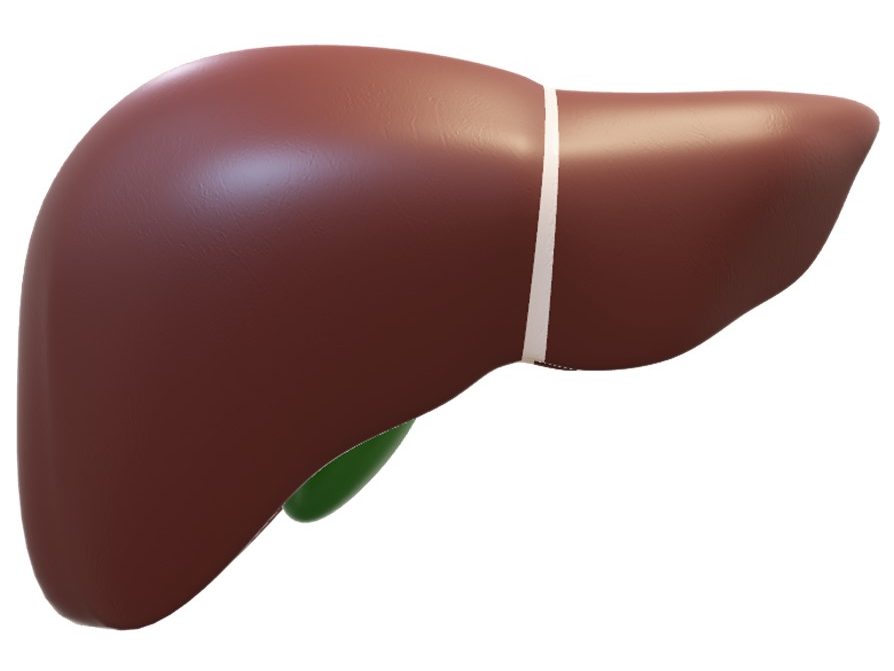
LIVER
Liver
The conjugated Bilirubin is water soluble and reacts directly in aqueous solution (Direct Bilirubin).
Unconjugated Bilirubin or free Bilirubin is water-insoluble. The addition of dimethylsulphoxide makes it water-soluble and reacts (Total Bilirubin).
The unconjugated Bilirubin is determined by subtracting direct Bilirubin from total Bilirubin.
Among the various methods for determining serum bilirubin, the Diazo Reaction stands out as the ‘Gold standard’. Its reliability and accuracy make it a cornerstone in bilirubin estimation.
Principle of estimation:
Bilirubin estimation depends on its conversion to a pink pigment known as ‘Azobilirubin’ by ‘diazotized sulfanilic acid’ and is measured photometrically using a Colorimeter. The intensity of the color developed is proportional to the bilirubin concentration in the sample.
In 1918, van den Bergh described this method for determining the bilirubin level in blood. After that, many modifications and improvements were made.
The main object is that Bilirubin reacts with diazo reagents to form pigmented Azopigments -azodipyrroles. This reaction is accelerated by the addition of some substances.
Azo pigments are measured by spectrophotometry at 530 to neutral or acid pH and 598 nm to alkaline pH.
The diazo reaction is accelerated by alcohol (methyl alcohol) and myriad compounds, such as sodium benzoate, methanol, etc. These compounds are known as accelerators. In the presence of accelerators, total Bilirubin is estimated, whereas conjugated Bilirubin is determined in the absence of accelerators.
Apparatus and reagents:
Apparatus:
Colorimeter or Spectrophotometer measuring at 555 nm.
Matched cuvettes 1.0 cm light path.
Pippete and other general pathological laboratory equipment.
Reagents:
All the agents are ready to use.
R1
Sulfanic acid
30 mmol/L
Hydrochloric acid
130 mmol/L
Dimethylsulphoxide (DMSO)
7 mol/L
COMPOSITION OF REAGENT ONE.
R2
Sulfanic Acid
30 mmol/L
Hydrochloric acid
130 mmol/L
COMPOSITION OF REAGENT TWO
R3
Sodium nitrate
0.74 mmol/L
COMPOSITION OF REAGENT THREE
Procedure:
To estimate direct Bilirubin:
Blood is taken from the antecubital vein, and serum is obtained by centrifuging at a speed of 3000 rpm for 30 minutes.
In a cuvette 1 cm light path, take the following reagents and serum/plasma by micropipette.
Reagents and sample
Assay tube
Blank tube
R2 in microliter
1000
1000
R 3 in microliter
50
—–
dH2O
—-
50
Sample-serum/Plasma
100
100
AMOUNT OF REAGENTS AND SAMPLE in microliter
Mix and incubate precisely for 5 minutes at room temperature. Then, add the sample in the requisite amount and immediately note the reading.
Calculation of direct Bilirubin:
Direct bilirubin in mg/deciliter
=(absorbance of assay-absorbance of blank) x11.4.——CB
Where 11.4 is a standard factor, where absorbance is recorded (1).in a cuvette of 1cm path length at 550 nm wavelength, and (2) 37 degrees Celsius temperature.
Procedure to determine Total Bilirubin:
In a cuvette 1 cm light path, take the following reagents and serum/plasma by micropipette.
Reagents and sample
Assay tube
Blank tube
R 1 in microliter
1000
1000
R 3 in microliter
50
—
d H2O microliter
—
50
Sample-serum/plasma
100
100
AMOUNT OF REAGENTS AND SAMPLE in microliter
Mix and incubate precisely for 5 minutes at room temperature. Then, add the sample and immediately note the reading.
Calculation of total Bilirubin:
Total bilirubin in mg/deciliter:
=(absorbance of assay-absorbance of blank) x11.4.—–TB
Where 11.4 is a standard factor, where absorbance is recorded (1).in a cuvette of 1cm path length at 550 nm wavelength, and (2) 37 degrees Celsius temperature.
Calculation of indirect Bilirubin:
Total bilirubin-conjugated bilirubin=indirect Bilirubin.
(TB-CB).
Quality control
1. Control sera are recommended to monitor the result.
2. Check the instruments, reagents calibrator, and human resources.
3. Each laboratory should have its quality control scheme and reference range.
4. There may be variations in the results of bilirubin estimation.
Precautions:
1. Serum or plasma is taken, protected from direct sunlight, and measured immediately. However, Bilirubin is stable at 2-8 degrees Celsius for four days and at—20 degrees Celsius for two months.
2. Blood sample is collected with proper antiseptic and aseptic procedures and kept properly.
2. Avoid contact with reagents.
3. Check the reagents -expiry date. Do not use expired or altered reagents.
Other methods to determine Bilirubin in blood:
1. Vandate oxidase method
2. Chromatographic methods
3. Electrophoresis methods
4. Electrochemical methods
Enzyme based
Non-enzymatic
5. spectroscopic methods
Fluorescence spectroscopy
Spectrophotometry
Luminescence spectroscopy
Direct spectrometry
6. High-performance liquid chromatography (HPLC).
7. Transcutaneous methods.
Why is bilirubin estimation performed?
The levels of both conjugated and unconjugated Bilirubin provide crucial information in the diagnosis of liver diseases such as hepatitis, cirrhosis, and jaundice. Understanding these levels is of utmost importance in the medical field.
Disclaimer: All possible measures have been taken to ensure the accuracy and reliability of the information; however, totalphysiology.com does not take any liability for using any information provided by the website solely for viewers. The information is provided as an educational service and public awareness. It is not medical advice.
If you have any medical issues, we advise you to seek the advice of a qualified doctor and follow his instructions.
इस लेख में हम महाकालेश्वर -महाकाल के धार्मिक यात्रा एवं मंदिर के विषय में जानकारी प्राप्त करेंगे | आने वाले पीढ़ी को भारतीय त्यौहार ,उतस्वों एवं पूजा स्थलों की जानकारी देना इस लेख का मुख्य उद्देश्य है | श्री महाकाल भगवान के दर्शन यात्रा धार्मिक
कुछ दिनों से श्री महाकाल भगवान के दर्शन करने की इच्छा हो रही थी ,जो धीरे धीरे प्रवल हो रही थी | इसी बीच मेरे भतीजी का रिस्ता इंदौर में तय हुआ | १९ तारीख रविवार को रोका तय हुआ इसमें जाना था | इसे मैने श्री महाकाल भगवान के आदेश माना और उज्जैन में श्री महाकाल भगवान के दर्शन के लिए तैयार हो गया |
यात्राकीतैयारी
श्री महाकाल भगवान के दर्शन के लिए बहुत लोग जाते हैं | उज्जैन जाने के लिए गया से सीधा ट्रैन में सीट नहीं था ,तो हमने (मै एवं मेरी पत्नी )हवाई जहाज से जाना तय किया | ज्ञात हुआ इसमें टिकट है | १८ तारीख को गया से दिल्ली एवं दिल्ली से इंदौर का टिकट बुक कराया , होटल में एक रुम भी बुक कराया | जरूरी समान लिए और चल पड़े उज्जैन श्री महाकाल भगवान के दर्शन के लिए |
यात्रा
निर्धारित समय पर हमलोग इंदौर पहुंच कर होटल में गए | प्रातः काल के लिए एक कैब बुक कर लिए | नियत समय पर कैब आ गया | सुबह उठ कर जल्द तैयार होकर हमलोग दर्शन के लिए चल दिए | इंदौर से उज्जैन की दूरी लगभग साठ किलोमीटर है परन्तु सुबह के समय रास्ता में भीड़ नहीं रहने के कारण हम जल्द पहुंच गए | शीर्घ दर्शन के टिकट ले लिए ,जिसमे दर्शन में दिक्कत न हो |
दर्शन
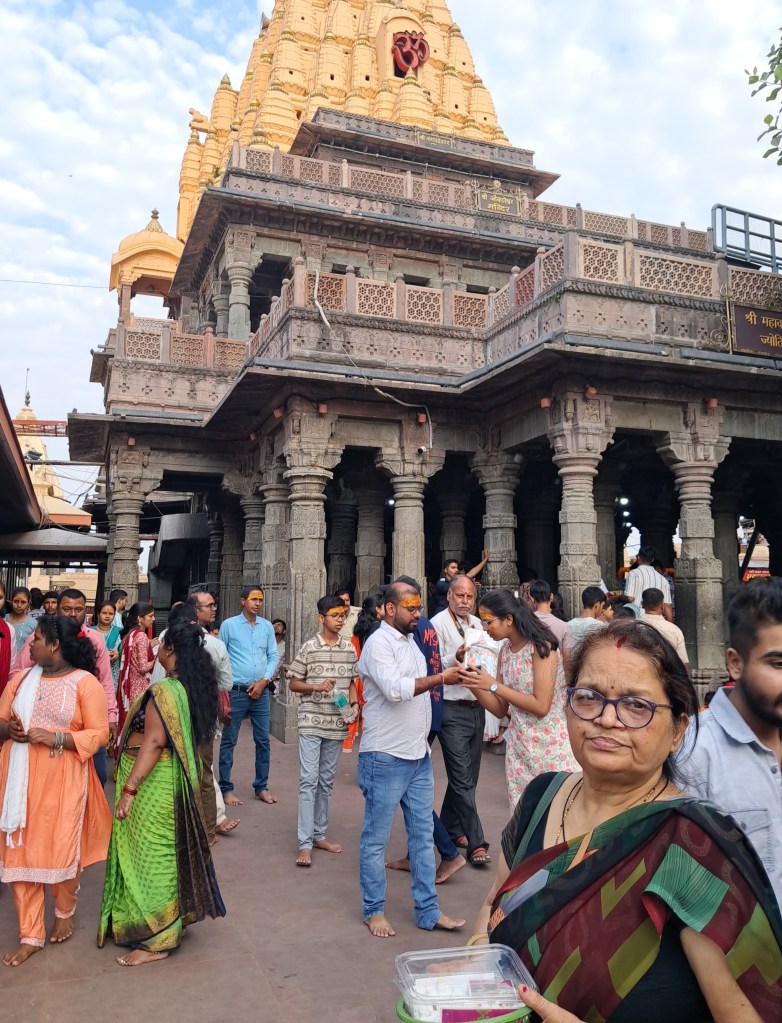
मंदिर में भीड़ था ,हम लोग लाइन में लग गए और धीरे धीरे आगे बढे | जय महाकाल के उद्घोष से वातावरण उद्वेलित हो रहा था | दर्शन के अभिलासा से उत्साह एवं उमंग से कुछ दिक्कत पता नहीं चला | ऊर्जा का संचार हो रहा था | हम लोग प्रसाद ले लिए लाइन में धीरे धीरे आगे बढ़ कर दर्शन के स्थान पर पहुंच कर प्रसाद अर्पित किया | श्री महाकाल भगवान के दर्शन बहुत अच्छे तरह से हो गया | मैं आत्मविभोर हो गया | लगा जीवन सफल हो गया |
इसके बाद हम लोग धीरे धीरे मंदिर के गर्भ गृह से बहार आ गए | मंदिर परिसर में थोड़ा बैठ कर ,आराम करके मंदिर परिसर से बाहर आकर मंदिर से होटल के लिए रवाना हुए |
होटल पहुंच कर जलपान ग्रहण किया | इसके बाद पारिवारिक कार्यक्रम मे दिन भर भाग लेने के बाद दूसरे दिन २० तारीख को इंदौर से वापस गया आ गए |
उपसंहार
बारह प्रसिद्ध ज्योत्रिलिंग हैं ,जिसमे महाकालेश्वर महाकाल अद्भुत है | यह मान्यता है कि यह ज्योत्रिलिंग अपने आप उत्पन हुआ है( स्वम्भू ). | बारह प्रसिद्ध ज्योत्रिलिंग में सिर्फ यही स्वम्भू है |
इसका एक विशिस्ट बात है के मंदिर का मुख दक्छिन के तरफ है एवं ‘श्री रुद्र यंत्र ‘ मंदिर के गर्भ गृह के छत से उल्टा टंगा हुआ है |
महाकाल मंदिर की स्थापना कब हुई इसके विषय में सपस्ट जानकारी नही है | परन्तु इस मंदिर का जिक्र पुराणों में है | कहा जाता है की भगवान प्रजापति ब्रह्मा ने इसे अपने हाथों से बनाया |
उज्जैन में ईसा पूर्व तीसरे एवं चौथे शताब्दी के सिक्कों पर भगवान शिव की आकृति है | ईसा पूर्व छठे शताब्दी में राजकुमार ‘कुमारसेन’ को राजा चंदा प्रदयता ने उज्जैन में महाकाल के मंदिर के नियम एवं व्यवस्था देखने को भेजा था,इसका पक्का प्रमाण है |
कालिदास के महाकाव्य में इस मंदिर का जिक्र है |
महाकाल देव ने हमें बुलाया ,और दर्शन देकर जीवन सफल कर दिया | उनके मर्जी के विना पता भी नही हिलता है, इतना यात्रा उनके मर्जी से ही सफल हो सका |
जय महाकाल | जय जय महाकाल |
अस्वीकरण : इस आलेख में व्यक्त किए गए विचार विभिन्न लेखों]संचार माध्यमों से लिए गए है और सभी सूचनाएँ मूल रुप से प्रस्तुत की गईं है| व्यक्त किए गए विचार लेखक के निजी विचार नहीं हैं तथा इसके लिए किसी भी प्रकार से उत्तरदायी नहीं है| मानवीय भूल ,टंकण भूल भी हो सकता है इसके लिए लेखक किसी भी प्रकार से उत्तरदायी नहीं है|
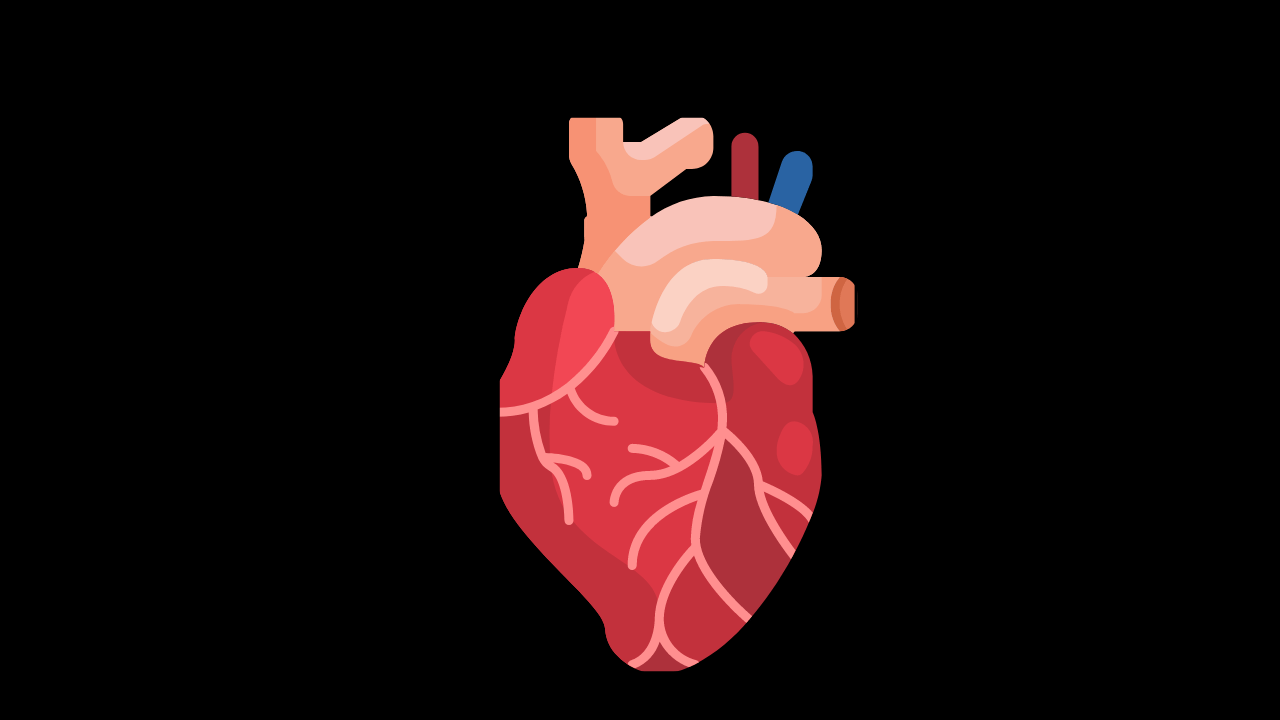
Blood circulation in the arteries and veins that supply the heart is known as ‘coronary circulation.’ The heart contains and supplies blood but cannot use it directly.
The heart is unique in nature, and it can not rest. Its primary function is to pump blood. The heart has three layers- epiderium, myocardium, and endocardium. The myocardium remains between the two layers and performs the primary function of pumping blood.
Blood comes through arteries to the heart muscle and its layers and leaves through veins.
As we have seen, it is a very active organ that needs a sufficient supply of oxygen and nutrients and the rapid removal of metabolic waste.
Human Physiology -coronary circulation
Arterial blood supply:
The coronary arteries:
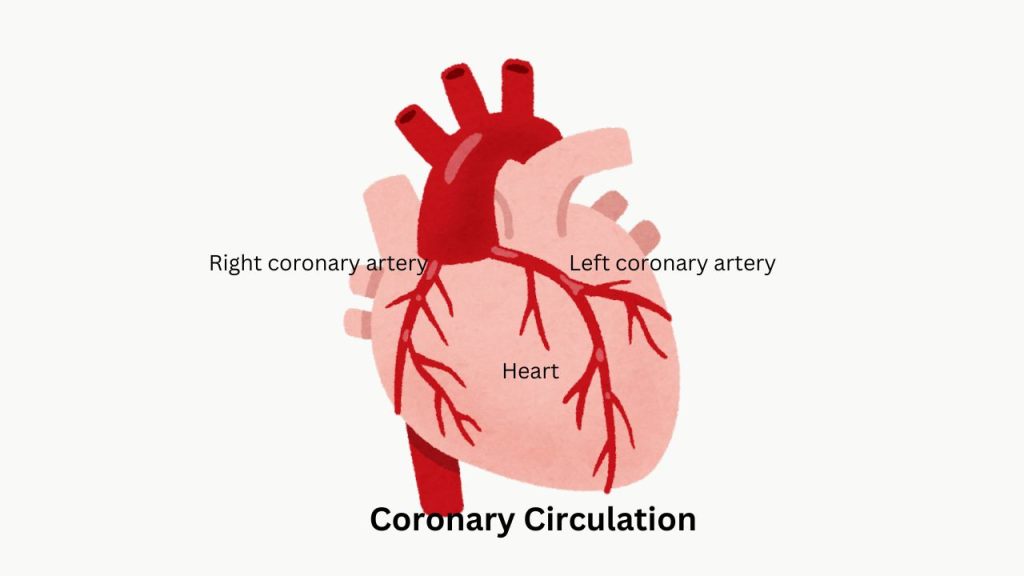
Two coronary arteries supply the heart. The blood supply of the heart is by two coronary arteries; they are
1. Right coronary artery and
2. Left coronary artery.
Functional anastomoses:
1. Cardiac anastomoses
2.Extracardiac anastomoses
Venous drainage :
1. Superficial veins
1. Right atrium
2. Deep veins
We will now discuss the right and left coronary arteries, which arise from the aorta’s root to supply blood to the heart.
Right coronary artery
The right coronary artery is posteriorly in the right Atrioventricular sulcus and gives an acute marginal branch. Before anastomosis with the left coronary artery, it provides many descending branches. The right coronary artery mainly supplies the following parts or portions of the heart.
The right coronary artery supply:
2. Major part of the right ventricle and interventricular conducting system of the heart.
3. Posterior part of the interventricular septum and an adjacent small portion of the left ventricle.
4. Sinoatrial (Pacemaker of the heart) and Atrioventricular nodes.
Left coronary artery
The left coronary artery is present anteriorly in the left atrioventricular sulcus. It supplies only 20% of the heart.
It is divided into:
1. Anterior descending branch, which is present in the interventricular groove. Therefore, it is also known as the ‘anterior interventricular branch’ and has many septal branches.
2. The left circumflex artery continues in the A-V groove and proceeds downwards as posterior descending branches. It anastomoses with the right coronary artery.
The areas supplied by the left coronary artery:
1. Left atrium
2. Major part of the left ventricle and left branch of the “bundle of His.”
3. Anterior part of the interventricular septum and adjacent small portion of the left ventricle.
The coronary arteries are end arteries.
Anastomosis
Normal anastomosis:
In normal conditions, numerous anastomoses occur between the branches of coronary arteries, and some remain dormant.
Functional anastomosis
Functional anastomosis: in ischaemic conditions, functional anastomosis of two types becomes apparent-
Cardiac anastomosis between branches of coronary arteries.
Extracardiac anastomoses between :
i. Vasa-Basora of the aorta and pulmonary arteries.
ii. Intrathoracic, bronchial, and phrenic arteries.
Deoxygenated blood goes into veins.
Venous draining
1. Veins present beneath the epicardium
Coronary Sinuses:
Mainly drains the myocardium supplied by the left coronary artery. It drains in the posterior wall of the right atrium.
The great cardiac vein
The great cardiac vein drains the left ventricle’s myocardium and the coronary sinus.
The anterior cardiac vein drains the myocardium supplied by the right coronary artery. It is located in the anterior wall of the right atrium.
2. Veins are present in the deep myocardium
Veins present in the deep myocardium directly open in the cardiac chambers.
Arterio sinusoidal, arterio luminal, and Thebesian vessels into the left heart. Therefore, pO2 is 98%, slightly less than 100%.
Oxygen consumption:
The heart consumes a lot of oxygen, and this consumption changes with activity. At rest, myocardial oxygen consumption is 60 to 80 ml per 100 gm per minute, increasing fourfold during exercise. This is regulated by autoregulation and nervous and chemical factors.
Usually, the oxygen supply does not exceed the myocardial need. If the myocardial demand exceeds the oxygen supply, a mismatch produces myocardial ischemia or infarction.
The heart operates only in aerobic conditions, so myocardial oxygen consumption is very high. The left ventricle’s oxygen consumption is about 25 ml/minute, or 10% of the whole body’s.
Chemical factors:
Chemical: Chemical control plays an essential role in the coronary circulation. Nervous control plays a minor role in the coronary circulation.
Intracellular myocardial ‘adenine nucleotides’ are converted into ‘adenosine,’ which diffuses into the extracellular fluid when the heart receives less blood. Adenosine is a potent coronary vasodilator.
Increased heart activity produces carbon dioxide, hydrogen ions, potassium ions, lactic acid, and adenosine. These metabolites produce coronary vasodilation, which increases blood supply to the heart.
Nitrates increase coronary blood flow.
Hormones –Thyroid hormones, epinephrine, nor-epinephrine cause an increase in the coronary circulation.
Neural control
Neural control: Nervous control plays a minor role in coronary circulation.
Clinical
Causes of myocardial ischemia and infarction,
Usually, the oxygen supply does not exceed the myocardial need. If the myocardial demand exceeds the oxygen supply, a mismatch produces myocardial ischemia or infarction, as seen in vigorous exercise or physical work.
Coronary blood circulation may be interrupted for many reasons, including embolism and coronary artery diseases.
A. When an artery supplies blood in a given area of an organ, there is no overlap of blood supply. If this artery is blocked for any cause, the area supplied by it will become ischaemic, and later, it will be necrosed.
इस लेख में हम बुद्धपूर्णिमा व्रत के विषय में बहुत कुछ जानेंगे | बुद्धपूर्णिमा व्रत कब मनाया जाता है,इसका महत्व एवं बहुत कुछ | आने वाले पीढ़ी को भारतीए त्योहारों एवं अपने उत्सवों के विषय में जानकारी देना इस लेख का उद्देश्य है |
मूल शब्द :
बुद्धपूर्णिमाकब| २०२४ | भारतवर्ष | त्योहार | वैशाख माह
विषयसूची :
बुद्धपूर्णिमा कब मनाया जाता है
बुद्धपूर्णिमा कँहा मनाया जाता है
बुद्धपूर्णिमा का इतिहास
बुद्धपूर्णिमा कई नाम
बुद्धपूर्णिमा के पौराणिक कथा
बुद्धपूर्णिमा का महत्व
बुद्ध पूर्णिमा गौतम बुद्ध के जन्म दिवस के रूप में मनाया जाता है | उसी दिन बुद्ध को बोधित्व ज्ञान प्राप्त हुआ था और उसी दिन महापरिनिर्वाण भी हुआ था |
बुद्धपूर्णिमाकबमनायाजाताहै |
भारतवर्ष में कई तरह के त्योहार मनाए जाते हैं,बुद्धपूर्णिमा का त्योहार उनमें बहुत ही महत्वपूर्ण त्योहार माना जाता है | बुद्धपूर्णिमा का त्योहार हर वर्ष वैशाख माह के पूर्णिमा को मनाया जाता है
इस वर्ष बुद्धपूर्णिमा 23 मई २०२4 को मनाया जाना है |
इसे बुद्धजयंती, हनमतसूरी वेसाक भी कहते है इस दिन गौतम बुद्धका जन्म हुआ था | ५६३ ईसा पूर्व वैशाख माह के पूर्णिमा को गौतम बुद्धका जन्म शाक्य राज्य के राजधानी कपिलवस्तु के नजदीक लुंबिनी में हुआ था | शाक्य राज्य पहले भारतवर्ष का भाग था परन्तु अब नेपाल का भाग है | इनके पिता शाक्य राज्य के राजा शुद्दोधन और माता महरानी महामाया थीं | इनके जनम के लगभग एक सप्ताह बाद इनके माता जी का निधन हो जाने के बाद महरानी महामाया की छोटी सगी बहन और राजा शुद्दोधन की दूसरी रानी महाप्रजापति गौतमी ने इनका पालन पोषण किया था | इनका नाम राजकुमार सिद्धार्थ गौतम था | गौतम गोत्र में जन्म होने के कारण वे गौतम कहलाए | सिद्धार्थ का अर्थ है जो सिद्धि प्राप्त के लिए जन्मा हो | नामकरण समारोह में विद्वानों ने भबिष्यबाणि के थी की वे एक महान राजा या महान पवित्र आदमी बनेंगे | बुद्धत्व ज्ञान प्राप्ति के बाद इनका नाम गौतम बुद्ध हुआ |
सोलह वर्ष के उम्र में इनका विवाह यशोधरा के साथ हुआ जिनसे इनको एक पुत्र राहुल हुआ |इनका मन वैराग्य के और चला गया और २९ वर्ष के उम्र में अपनी पत्नी और नवजात पुत्र का छोड़ कर वे सत्य के खोज में वन के ओर चले गये | कई वर्षो तक सत्य के खोज में लगे रहे |
कई वर्षों के कठोर तपस्या के बाद बुद्धपूर्णिमा के इसी दिन बिहार के बोधगया में एक पीपल वृछ के नीचे इन्हें बुद्धत्व ज्ञान प्राप्त हुआ | पीपल का वह वृछ बोधि वृछ के नाम से प्रसिद्ध हुआ जो आज भी बिहार के बोधगया में है और पूजा का एक महत्वपूर्ण स्थल है | बुद्धत्व ज्ञान प्राप्ति के बाद वे गौतम बुद्ध कहलाने लगे|
इसी दिन ४८३ ई ० पू ० वैशाख माह के पूर्णिमा को गौतम बुद्धका महापरिनिर्वाण कुशी नगर में हुआ था | बुद्धपूर्णिमाके दिनकुशी नगर में महापरिनिर्वाण विहार पर एक माह का मेला लगता है |
बुद्धपूर्णिमाकँहामनायाजाताहै
विश्व में लगभग १९० करोड़ लोग बौद्ध धर्म को मानते है | हिन्दू गौतम बुद्ध को भगवान विष्णु के नौवें अवतार मानते हैं अतः हिंदूओ का भी यह महत्वपूर्ण त्योहार हो जाता है |
बुद्धपूर्णिमा पुरे भारतवर्ष में बहुत धूम धाम से मनाया जाता है | इसके आलावा नेपाल,चीन,श्रीलंका,वर्मा ,भूटान, जापान, सिंगापूर,थाईलैंड , इंडोनेशिया इत्यादि देशों में भी बहुत धूम धाम से मनाया जाता है | विदेशों में रहने बाले भारतवासी अपने अपने देशों में धूम धाम से मनाते है | विश्व भर से लोग इस दिन बोधगया आते है और बोधि वृछ के पास प्राथना करते हैं बोधि वृछ की पूजा करते हैं | बोधि वृछ के पास दिप फूल सजाते हैं | चीवर दान करते हैं | बौद्ध धर्म ग्रंथों का पाठ करते हैं | बुद्ध की प्रतिमा पर फल फूल अर्पित करते हैं |
कई जगह पे बुद्ध संग्रालय है, जिसमे बुध साहित्य का संग्रह है | कई जगह बुध की अस्थि दर्शन के लिए रखा जाता है |
बुद्धपूर्णिमा को भोजन वस्त्र इत्यादि दान दिया जाता है | इस दिन किए गए दान पुण्य का बहुत महत्वपूर्ण होता है |
इस दिन घर को फूलों से सजाया जाता है ,शाम को दीपक जला कर रौशन करते है |
बुद्धपूर्णिमाकाइतिहास
५६३ ईसा पूर्व वैशाख माह के पूर्णिमा को गौतम बुद्धका जन्म, शाक्य राज्य के राजधानी कपिलवस्तु के नजदीक लुंबिनी में हुआ था | शाक्य राज्य पहले भारतवर्ष का भाग था | परन्तु अब नेपाल का भाग है |इनके पिता शाक्य राज्य के राजा शुद्दोधन और माता महरानी महामाया थीं | इनके जनम के लगभग एक सप्ताह बाद इनके माता जी का निधन हो जाने के बाद महरानी महामाया की छोटी सगी बहन और राजा शुद्दोधन की दूसरी रानी महाप्रजापति गौतमी ने इनका पालन पोषण किया था | इनका नाम राजकुमार सिद्धार्थ गौतम था | गौतम गोत्र में जन्म होने के कारण वे गौतम कहलाए | सिद्धार्थ का अर्थ है जो सिद्धि प्राप्त के लिए जन्मा हो | नामकरण समारोह में विद्वानों ने भबिष्यबाणि के थी की वे एक महान राजा या महान पवित्र आदमी बनेंगे | बुद्धत्व ज्ञान प्राप्ति के बाद इनका नाम गौतम बुद्ध हुआ |
सोलह वर्ष के उम्र में इनका विवाह यशोधरा के साथ हुआ जिनसे इनको एक पुत्र राहुल हुआ |बुद्धपूर्णिमा गौतम बुद्ध के जन्म दिवस के रूप में मनाया जाता है ,उसी दिन बुद्ध को बोधित्व ज्ञान प्राप्त हुआ था और उसी दिन महापरिनिर्वाण भी हुआ था |
बुद्धपूर्णिमाकेपौराणिककथा
पौराणिक मान्यता है कि त्रेता युग में भगवान विष्णु ने मृत्यु लोक में गौतम बुद्ध के रूप में धरती पर ज्ञान एवं सत्य के प्रचार करने के लिए नौवमा अवतार लिया था | भगवान बुद्ध ने धरती पर न्याय , सत्य , सदभावना पर आधारित साम्राज्य की स्थापना में अपना योगदान दिया |
भगवान विष्णु के अन्य अवतार के विषय में यहां पढ़ें |
बुद्धपूर्णिमाकामहत्व
बुद्धके ऊपर कई ग्रन्थ अनेकों भाषा में लिखे गए हैं | बुद्ध साहित्य ,बुद्ध के उपदेश बहुत ही पवित्र ग्रन्थ है | बुद्ध भारतवर्ष एवं अन्य कई देशों के जन- जन, कन -कन में रचे बसें हैं | हर वर्ष बुद्ध पूर्णिमा में बुद्ध पर आधारित व्याख्यान का आयोजन कई जगहों में किया जाता है ,जिससे बुद्ध के विचार का ज्ञान प्राप्त होता है और प्रसार होता है |भगवान बुद्ध के बिना भारतवर्ष की कल्पना नहीं की जा सकती है| बुद्ध हर नागरिक के लिए एक आदर्श हैं |








 learn-and-fly.co.in
Leave a comment