Parathyroid Gland: Structure and Role Explained

Introduction: Parathyroid gland and hormone.

  1. Location
  2. Parathyroid hormone
  3.  Functions of parathyroid hormone 
  4. Mechanism of action
  5. Action of PTH (parathyroid hormone) 
    1. On bones
    2. On  kidneys
    3. On GIT
    4. Mechanism of action
    5. On the lactating mammary gland
  6. Regulation of PTH secretion

The parathyroid gland is essential for life.  It is a highly vascular and tiny gland measuring about 6 mm in length 3 mm in width and 2 mm in thickness its weight is only 120 mg it is present along with the thyroid gland.

 Parathyroid glands are 4 in number. There are two on the left side and two on the right side. One parathyroid gland is present in the superior pole and one in the inferior pole of the thyroid gland on both sides.

Location

 Location: In humans, there are 4 parathyroid glands. Two are present in the superior pole and two in the inferior pole of the thyroid gland. These glands are present on the posterior surface of the thyroid gland, covered by the internal and external layers of the thyroid capsule.

 Two types of cells are present in the parathyroid glands

 Oxyphil cells: Their functions are not well understood, but it is assumed that they support chief cells and may transform into chief cells.

 Chief cells: secrete parathyroid hormone..

Parathyroid hormone

 The biological half-life is less than 20 minutes; it is a polypeptide and is secreted in the blood vessels, like other hormones.

 Functions of parathyroid hormone 

The primary function is to regulate calcium concentration in both the extracellular and intracellular fluids. When the calcium level is low in the blood, it increases the calcium level in the blood. Its primary function is in bones, kidneys, and the gastrointestinal tract.

Mechanism of action

 PTH receptors couple to the G protein, causing activation of adenylyl cyclase, which increases the formation of intracellular cAMP.

Action of PTH (parathyroid hormone) 

The action of parathyroid hormone is described under the bones, Kidneys, gastrointestinal tract, and lactating mammary glands.

On bones

The action of PTH on bone is prolonged, slow, and less sensitive.

It causes bone reabsorption that promotes osteolytic action and increases plasma calcium and decreases plasma phosphate. This action is achieved by the following mechanism.

There are two types of cells in the bone responsible for the maintenance of bone density. They are osteoblasts, which increase calcium and phosphate in the bone and increase bone formation. It is responsible for providing power to the bone.

Osteoclasts are present in the bone, which is responsible for the reabsorption of the bone.

 Parathyroid hormone goes to the osteoblast, where it gets attached to ‘parathyroid hormone receptors’ and stimulates the formation of Rank ligase osteoblasts, which trigger Rank receptors on the osteoclast.

 This rank receptor stimulates the osteoclast to form various chemicals, including acid phosphatase and other proteolytic enzymes, facilitating the reabsorption of bone. Calcium phosphate and other chemicals are released into the circulation, thereby increasing calcium levels in circulation.

On  kidneys

 The action of PTH on the kidneys is quick and sensitive to minor changes in serum calcium levels. Increases calcium absorption in the distal convoluted tubule by an active process, so decreases calcium excretion in the urine.

Mechanism of action

 The distal convoluted tubule is impermeable to Sodium, Potassium, calcium, and other minerals, so absorption of calcium is due to the presence of parathyroid hormone.

 On the distal convoluted tubule, G receptors are present, which combine with the PTH and stimulate adenyl cyclase, which promotes the formation of cyclic AMP from ATP. Protein kinase is formed, which will cause transcription and translation that will create many calcium channels in the cell membrane of the distal convoluted tubule cells.

 The calcium ions enter the distal convoluted tubule cells. The sodium-potassium channels in the distal convoluted tubule remove three sodium ions from the cells and two potassium ions into the cells.

From another channel, the sodium enters the cell in exchange for calcium, through the calcium sodium channel, which is a secondary active transport system. The primary active system is the sodium-potassium channel, and the energy produced by that is used in the calcium sodium channel. In this way, calcium is absorbed in the distal convoluted tubule.

Phosphate ions are secreted in the distal convoluted tubule. This is the Phosphaturic action of PTH.

On GIT

The phosphaturic action of PTH reduces the phosphate ion level in the blood, thereby increasing the production of 1,25-dihydroxycholecalciferol, the active form of Vitamin D.

Mechanism of action

7, dehydrocholesterol is supplied by diet milk, egg, etc. Ultraviolet rays of the sun convert it into cholecalciferol. Cholecalciferol enters the liver, where hydroxylation occurs by 25α-hydroxylase and forms 25-hydroxy cholecalciferol (25HCC) that will enter the kidneys.

In kidney’1,25α-hydroxylase, hydroxylates ‘25 hydroxy cholecalciferol into 1,25-dihydroxy cholecalciferol, the active form of D3, also known as Calcitriol.

The calcitriol enters the enterocytes –lining cells of the small intestine and binds with the cytoplasmic receptors. The receptor-calcitriol complex enters the nucleus, where it binds to the DNA gene, and a new mRNA is synthesized – transcription occurs. The mRNA initiates new protein synthesis by translation. The newly formed protein is expressed on the surface of the cell membrane. It opens several calcium channels, allowing more calcium ions to be absorbed in the enterocytes than in the blood.

On the lactating mammary gland

Parathyroid hormone reduces calcium secretion in milk.

Regulation of PTH secretion

A decrease in calcium ions in the blood stimulates PTH secretion, so that the level of calcium ions in the blood is maintained.

Increase serum phosphate level:

  • Decreases serum calcium level, which will stimulate PTH secretion.
  • Inhibits calcitriol formation, which will stimulate PTH secretion.

The product of serum calcium x serum phosphate in plasma remains constant.An increase in serum phosphate leads to a decrease in serum calcium and vice versa.

Leave a Reply

What is Deltacron|Real?

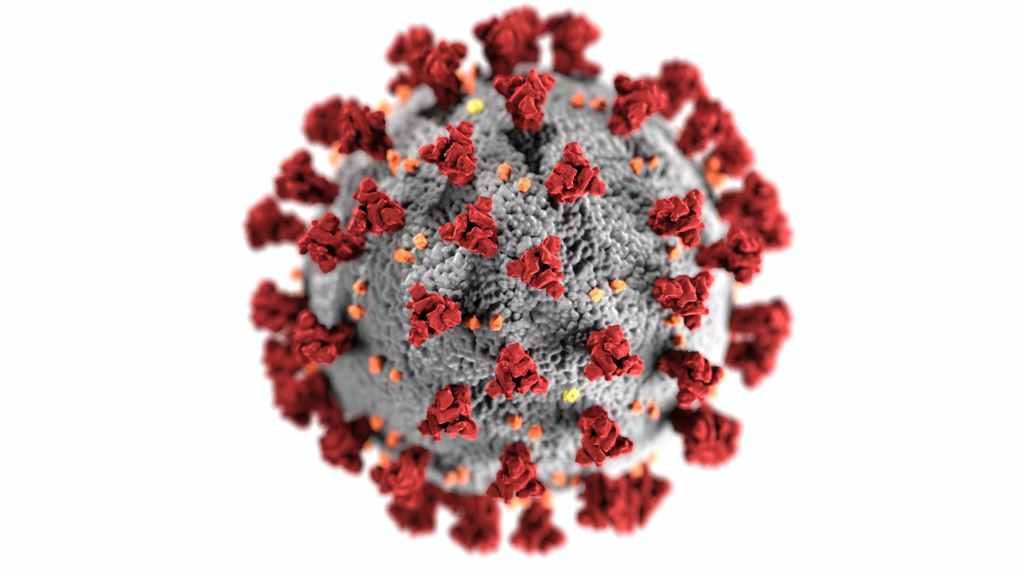
Photo by CDC on Pexels.com

There are many cases of delta and omicron co-infection. When the two variants co-infect a person, an exchange mutation may produce a new viral offspring. The Deltacron strain is a combination of these two.

Professor Leondios Kostrikis, Professor of biological sciences at the University of Cyprus, identified omicron-like genetic signatures within the delta genomes and named it Deltacron.

This deltacron is identified in Cyprus by the Professor and Head of the Laboratory of Biotechnology and Molecular Virology Department.

His team identified 25 Detacron cases. In addition, professor Kostrikis and his team found that this infection is more in hospitalized patients for Covid-19 than in non-hospitalized patients.

According to specialists and scientists, this may be due to laboratory contamination. Deltacron is not absolute and is probably the result of a sequencing error. Experts report no evidence that Omicron and Delta have combined to produce a new variant.

The global health expert Boghuma Kabisen Titanji also reported that it may be due to sample contamination.

Dr.Jeffrey Barrett, Director of the Covid-19 Genomics Initiatives at the Wellcome Sanger Institute, says that ‘this is almost certainly not a recombinant of the Delta and Omicron lineages.

It is suggested that fragments of Omicron have been inserted into Delta’s genetic make-up during the sequencing process when attempting to identify a Cvid variant infection.

Professor Aris Katzourakis, Professor of evolution and genomics at Oxford University, says that it is a standard error in any laboratory.

On seventh January, they sent sequences of the twenty-five deltacron cases to GISAID, the international database that tracks changes in the virus mutation of viruses.

It is unclear whether this deltacron strain exists and, if yes, whether it is more pathological and more contagious than the delta and omicron strains. And it is a matter of concern that deltacron was found more in hospitalized patients with Covid-19 infections than in non-hospitalized Covid-19 cases.

Health Minister of Cyprus said on Sunday, 8, January, that Deltacron isn’t of concern, and later, more details will be given. article”>https://www.bloomberg.com>article

Experts and officials are not concerned by Deltacron.

Professor of virology at the University of Bristol said, ‘It’s not one to worry about.

What is Florona Disease|Corona19-Influenza Infection|PreventionOmicron is not the last Covid-19 variant; variations of the virus will continue as long as the virus spreads in non -vaccinated regions. Therefore global vaccination is crucial to prevent the spread and mutation of the virus.

We must focus on managing emergencies produced by new variants and how these are validated and reported.

#Omicron #Covid -19# #Florona#delta variant#

Internal link: What isFlorona disease

External link https://m.timesofindia.com>world

https://www.bloomberg.com>article

What is Florona Disease|Corona19-Influenza Infection|Prevention

Introduction

Florona is a double infection of Covid19 and Influenza viruses. It is the Covid-19-Influenza variant.

The Covid19-Influenza variant is another variation of Coronavirus, like its other variations alpha, beta, gamma, omicron, and Demicron.

Detection of the disease

In Israel, the first case of Florona -a double infection of Covid19-Influenza variant was detected on the last date of 2021, that is 31st December 2021.

This infection was detected in a pregnant woman who came in the hospital -Rabin Medical Center for delivery.

Prevention

It is surprising that in Israel 3 rd dose of covid 19 vaccination is completed. But due to changes in strains of Corona 19 viruses, the infection occurs. Therefore 4 th dose is recommended, especially in aged and immunocompromised persons.

We know that in pregnancy immunity is slightly depressed. Therefore this group must get extra protection.

Israel’s national Health providers started 4 th dose of vaccination against Covid 19 to individuals with compromised immune systems and aged persons.

Measures to prevent Covid 19 disease, as Govt. and WHO guidelines released from time to time, must be followed. Some of them are:

  1. Maintain social distance of 6 feet.

2. Avoid touching anything.

3. Wash your hands frequently with soap and water.

4. Always use masks properly.

5. Avoid social gathering

Link:

Israel -Tel-Aviv on 31 st December Arab news ANI, Al-Arabiya Arab news/mhvr.

Purpura| Clotting| Bleeding Time 

    This article is to provide knowledge of Purpura, a very common condition the public suffers from. How it is produced, our line of treatment, and much more.

Introduction

Purpura is a clinical condition in which there is a tendency for spontaneous bleeding, usually beneath the skin, mucous membrane, and internal organs. In this condition, bleeding time is prolonged (average is 2 to 6 minutes.), but clotting time is average (standard is five to10 minutes).https://learn-and-fly.co.in/2021/12/26/what-is-bloodcompositionfunctions/(opens in a new tab)

Table of contents

  1. Introduction
    1. Classification of purpura   
    2. Normal count of Platelets
    3. Average Bleeding time
      1. Average clotting time
    4. Sign and symptoms
    5. Diagnosis
  2. Treatment 

Classification of purpura   

 Purpura may be classified as

1.Primary or Idiopaheic or Congenital
Autoimmune
2.Secondary or symptomatic
Allergic
Infection
Certain drugs
Cachectic


Normal count of Platelets

The average count of platelets is 1.5 lac to 4 lac per cubic millimeter of blood.

Average Bleeding time

The average bleeding time is 2 to 6 minutes.

Average clotting time

The average clotting time is five to 10 minutes.

Sign and symptoms

Spontaneous bleeding, usually beneath the skin, mucous membrane, and internal organs.

Diagnosis

Bleeding time is estimated. It is more than the average value. How to determine the bleeding time https://blog.totalphysiology.com/2021/09/how-to-determine-bleeding-and-clotting.html

1. Thrombocytopenic purpura-platelet count is 50-10 thousand per cubic milliliter of blood.

2. Thromboasthenic purpura platelet count is average, but the function is abnormal.

Purpura hemorrhagic is severe purpura with bleeding in the skin, mucous membrane, and internal organs and is usually fatal.

Primary purpura is also known as idiopathic, congenital, or hereditary.

I.T.P = Idiopathic thrombocytopenic purpura is due to autoantibodies against platelet membrane glycoprotein IIb-IIa, which causes premature removal of platelets from the reticuloendothelial system.

Allergic purpura is due to some allergies.

Infection by yellow fever, typhus, or infective endocarditis may cause purpura.

Certain drugs, e.g., Iodide, bismuth, ergots, etc., may cause purpura.

Cachectic state: in some cancers, the purpura may occur.

Treatment 

1)      Small dose of corticoids.

2)      Splenectomy.

3)      I.V. infusion of immunoglobulins.

4)      Platelet transfusion.

Intravenous (I.V.) infusion is a slow therapeutic introduction of fluid other than blood into a vein.

Transfusion, also known as blood transfusion, is the transfer of blood or a blood component, such as plasma or platelets, from one person to another in the vein.

Disclaimer

This article is about academic-health-related topics and not for treatment purposes. If you have any problems, consult a qualified medical professional.

Leave a Reply

What is blood|composition|functions

Definition:

Blood is a living connective tissue in a fluid state. When compared to water, blood is denser and more viscous than water and clots outside the body. It is present in the heart and blood vessels.

Color of the blood

Blood is red in color due to presence of haemoglobin in red blood cells. The blood is bright red when haemoglobin is oxygenated and dark red when haemoglobin is deoxygenated.

Crculation of blood

The heart pumps oxygenated blood in the arterial system, blood vessels and circulates throughout the body and deoxygenated blood returns to the right side of the heart via the venous system.The deoxygenated blood is oxygenated in the lungs ,then to the left side of the heart which pumps blood in the blood vessels, and in this way blood circulates in the body.

Table of contents

1.Definition
2.Colour
3.Volume
4.Composition
6.Functions
Table

Total blood volume

Total blood volume is 80 milliliter per kg of bodyweight. Usually, 5 – 6 liters (average 5 liters).

Composition of blood

A. Fluid portion: This is known as plasma, and constitutes 55% of the total blood volume. It is a clear straw-colored portion of the blood and has 91% water and the rest 9% solids in it. The solid substances are:

Inorganic -1% sodium, potassium, calcium, magnesium, phosphate, iron, etc., in ionic form and

Organic substances -7% plasma protein and 1% non-protein nitrogenous substances like sugar, fat, enzymes, etc. 

 B. Formed elements of blood constitute 45% and are of three types :

  1. Erythrocyte: Red blood corpuscle – Red blood cell.
  2. Leucocyte: White blood cell.
  3. Thrombocyte: Platelet.

Formed elements of blood can be divided into two types:

  1. Nucleated: White blood cells
  2. Non-Nucleated: Red blood cells and Platelets.

The differences in Plasma and Serum

Plasma is blood minus formed elements of blood, i.e., cells of the blood.

Serum = Plasma – fibrinogen, prothrombin, liable factor or proaccelerin and anti-hemophilic factor (AHF).

The serum is Plasma minus fibrinogen and some clotting factors-factor II, V, and VIII. Other clotting factors VII, X, XI, and XII, are present in the serum.

Functions of blood:

A.Transportation:

  1. Oxygen from lungs to the cells and

2. Carbon dioxide from cells to the lungs.

3. Absorbed nutritive materials from the GIT to the tissues for utilization and storage.

4. Metabolite waste from the tissues to the excretory systems.

B. Homeostasis -controls the internal environment of the cells.

C. Regulate body temperature

D. Exerts osmotic pressure.

E. Haemostasis.

Acclimatization

       Acclimatization

Definition: Acclimatization is the physiological process in which an individual adjusts to changes in the environment to survive. Acclimatization is also known as acclimation or acclimation. This occurs in a brief period –hours to weeks and may persist lifelong.

Acclimatization to new environments occurs in many species.

Adaptation is an evolution that involves many generations.

1.Definition
2.High altitude
3.Partial Pressures
4.Mountain sickness
5.Acclimatization
6Main changes

Acclimatization to high altitude:

Barometric pressure decreases when altitude increases linearly, but the percentage of air composition remains the same up to the mesosphere layer. For example, the percentage of oxygen in the atmosphere remains constant at 21%, but the atmospheric partial pressure reduces proportionately to the barometric pressure. Above the mesosphere layer, the composition of the air is variable.

What is high altitude?

High altitude usually refers to an attitude over 2500 meters to 3000 meters.

The partial pressures:

The partial pressure of vapor depends on body temperature and is independent of high altitude. According to the ‘Environmental Lapse Rate,’ air temperature changes at high altitudes. But our body temperature remains within a normal range.

The alveolar partial pressure of carbon dioxide depends on the body’s metabolism and respiration. When metabolism increases, carbon dioxide production increases. Increased carbon dioxide stimulates ventilation.

Increased ventilation removes carbon dioxide from the body, reducing partial pressure falls.

Metabolic production of carbon dioxide does not alter with increasing altitude, so the partial pressure of carbon dioxide( pco2 )will not change until there are some underlying renal or pulmonary diseases.

There is a progressive decrease in partial pressure of Oxygen and Nitrogen with increasing altitude. Decrease partial pressure of Nitrogen produces no ill effect.

But decreased partial pressure of oxygen at high altitude produces ill effects. The effects produced are similar to the effects of hypoxic hypoxia.

The harmful effects of partial pressure of oxygen depend on

1 . Rapidity of development of hypoxia: that is in sudden or acute ascent and

2. Gradually, hypoxia develops in slow ascent, and the duration of exposure is prolonged. It is present in permanent residents at high altitudes.

Rapid ascent to 10,000 feet can produce cerebral and pulmonary edema in persons engaged in heavy physical work during the first three days after arrival. After that, the conditions respond to rest and oxygen therapy.

The cerebral and pulmonary edemas do not develop in individuals who gradually ascend to high altitude and avoid physical exertion at rest for a few days.

The exact cause is not known but, probable causes of hypoxic pulmonary edema are:

Hypoxia increases sympathetic activity, which causes vasoconstriction leading to an increase in the pulmonary capillary hydrostatic pressure. As a result, plasma and fluid will come out from the pulmonary capillary and cause pulmonary edema.

In the brain, the exact mechanism causes cerebral edema.

Mountain sickness At a higher altitude, a person may suffer from mountain sickness when the effects of hypoxia are not very serious. During gradual ascent, the body gets time to adjust to the new environment.

Mountain sickness starts at a high altitude after 8 to 12 hours of arrival and remains for 28 days. The cause is not well known, but it is associated with cerebral edema and alkalosis.

Mountain sickness is characterized by :

Nausea, vomiting, headache, irritability, and dyspnea may occur.

Pathophysiology of development of cerebral edema:

At higher altitudes, when the autoregulatory mechanism of the brain fails, capillary pressure increases, causing transduction of fluid in the brain, tissue. Accumulation of fluid in the brain will increase intracranial pressure, disturb its normal functions, and cause herniation of the brain tissue.

Respiratory alkalosis is due to hyperventilation:

Respiratory alkalosis is a severe condition and must be treated promptly. Otherwise, it may cause disorientation, coma, and death.

Prevention of mountain sickness:

Mountain sickness can be prevented by:

1. Very slow ascent,

2. Administration of Oxygen,Glucocorticoids, Calcium channel blockers, and Carbonic anhydrase.

Acclimatization

Acclimatization to high altitudes is a process by which an individual response to the reduced atmospheric partial pressure of oxygen. Reduction in partial pressure of oxygen initiates many different changes to increase the oxygen level at the tissue level.

This acclimatization reduces the effects of hypoxia by changes so that persons living at high altitudes and permanent residents can enjoy ordinary lives.

The main changes are:

  1. Increase in pulmonary ventilation

  2. Affinity of the hemoglobin for oxygen increases due to the rise in 2-3 DPG in red blood cells, secondary to increased pH. This 2-3 DPG shifts the oxygen hemoglobin dissociation curve to the right, releasing more oxygen from hemoglobin at the tissue level.

3. An increase in hemoglobin concentration occurs.

Hypoxia is a powerful stimulation for erythropoietin secretion that stimulates erythropoeisis at all stages and causes the release of red blood cells in circulation.

In permanent residents, the total count of red blood cells is about 8 million per cubic ml of blood. In addition, hemoglobin concentration increases, so the oxygen-carrying capacity of the blood increases. However, It is prolonged, and hemoglobin concentration rises after 2-3 weeks. Therefore, hemoglobin concentration is 20 grams per deciliter of blood in a permanent resident of a higher altitude. The average hemoglobin concentration is about 14.5 grams per deciliter of blood.

  1. Hypoxia causes increased vascularity of the tissues by opening many existing tissue capillaries and forming new blood vessels. Vascular neogenesis is the formation of new blood vessels.

. Hypoxia causes vasodilatation, so that blood flow increases. In addition, hypoxia induces vascular endothelial growth factor, which stimulates vascular neogenesis. Other growth factors also help in vascular neogenesis.

  1. Hypoxia increases Pulmonary artery pressure that opens many pulmonary capillaries and increases diffusion at the tissue level.
  2. Hypoxia increases myoglobin synthesis, number of Mitochondria.

Acclimatized subjects may suffer from mountain sickness due to renal failure and if the cardiovascular regulatory mechanism fails or there is a decrease in sensitivity of peripheral chemoreceptors.

You may purchase monitor I am using by using the code

https://amzn.to/32VjgZS

Atmospheric Pressure

What is atmospheric pressure?|Effects of high pressure on human body|

The atmosphere exerts pressure on the human body. This is known as atmospheric pressure. At sea level, it is 760 mm. of mercury which is called 1 (one) atmospheric pressure.

Table of contents:

1.Definition
2.Composition of air
3.The partial pressure of gases
4.How to calculate the partial pressure
5.The relevant law of gases
6.Important effects of high pressure

The atmospheric pressure decreases with an increase in height and increases with an increase in depth. In this article, I will discuss some important effects of high atmospheric pressure on the human body.

Composition of air:

Gases present in the air% of gas in the airpartial pressure in mm. of Hg
Nitrogen78.06%593.25
Oxygen20.98%160
CO20.03%0.23
Inert gases0.93%7.068
Composition of air and pressure exerted by them

Partial pressure is the pressure exerted by anyone gas in a mixture of gases, and the total pressure of the gas mixture is the sum total of the partial pressures of gases present in the gas mixture. Air is a mixture of gases as stated above.

The partial pressure of a gas is calculated as below:

The partial pressures of Nitrogen= % of the nitrogen in the air is multiplied by total atmospheric pressure divided by 100 which is 78.06 x760 divided by 100 =593.25 mm. of mercury.

By this method, the partial pressure of oxygen is 160mm. of mercury and that of Inert gases and CO2,are7.068 and 0.23mm. of mercury. respectively.

Boyl’s law: Volume of a gas is inversely proportional to the pressure exerted on it.

( temperature is constant.) Suppose when pressure is X1 atmospheric pressure, the volume of air is V1. If atmospheric pressure rises to 2X, the volume of air will decrease to half 0.5 V. and so on.

Dalton’s law: States that the total pressure of a gas mixture is the sum total of the partial pressures of gases present in the gas mixture. Air is a mixture of gases as stated above and obeys this law.

Henry’s law: states that the amount of gas dissolved in any solution is directly proportional to the partial pressure of the gas.

Volume of a gas is directly proportional to temperature. When the temperature rises volume of a gas will increase and vice versa, when pressure is constant.

Diffusion of a gas in a liquid depends on the pressure differences and it moves from high to low pressure. When pressure of the gas is more it will enter in the liquid and when pressure decreases gas will come out from the liquid. Solubility of a gas differs in different liquids.

Atmospheric pressure becomes double at 10 meters below the sea level, volumes of gas will decrease to half. Due to raised pressure, Oxygen and Nitrogen will enter into the body fluids and tissues. Increased oxygen will cause oxygen toxicity and excess nitrogen will cause nitrogen narcosis.

DMCA

If we Have added some content that belongs to you or your organization by mistake, We are sorry for that. We apologize for that and assure you that this won’t be repeated in the future. If you are the rightful owner of the content used in our Website, please mail us with your Name, Organization Name, Contact Details, Copyright infringing URL, and Copyright Proof (URL or Legal Document) at bkpdphysiology@gmail.com

I assure you that, I will remove the infringing content Within 48 Hours.

<p id="<script-async-src="https://pagead2.googlesyndication.com/pagead/js/adsbygoogle.js?client=ca-pub-6860029478945130"——crossorigin="anonymous"&gt;

About Author


Dr.(Prof.) Bijay Krishna Prasad


Hello Readers,

My name is Dr.Bijay Krishna Prasad, Professor of Physiology and Head of the Department of Physiology A.N.M.Medical College, Gaya. I am a doctor and a teacher and passionate about teaching, writing, and sharing my knowledge with everyone. I have written two books ‘Practical Physiology-Haematology’ and ebook- Digestive system part-one. This is my first website.  This Learn and fly. co.in is about different subjects, to increase knowledge which will help everyone to achieve goals.

As I am a professor of physiology I will write about as I am a professor of physiology I will also write about human Physiology, describing the structures and functions of different organs and systems of the human body and some common diseases for public awareness and knowledge.

My ‘https://totalphysiology.com&#8217; blog is about human Physiology, describing the structures and functions of different organs and systems of the human body in detail. An educational blog for medical students, doctors, students of Physiology, and readers to add something to their knowledge and skill.

I am Dr.(Prof.) Bijay Krishna Prasad, Professor of Physiology and Head of the Department of Physiology.

Full Name: Dr.Bijay Krishna Prasad,

Nick Name: Bijay

Designation: Professor of Physiology and Head of the Department of Physiology. Blogger, Youtuber.Date of Birth -19/04//1957, Place of Birth -PATNA, BIHAR.INDIA.Education: School: Miller Higher Secondary School, PATNA, BIHAR.

Higher Education: M.B.B.S. from Darbhanga Medical College and Hospital. Lalit Narain Mithila University, Laheriasarai, Bihar, India.                               

Post-graduation from Patna Medical College and Hospital, Patna University.
My life is simple. I started blog writing during Covid -19 epidemic from 10th October 20 for my students and the general public to enrich their knowledge. 

Marital Status -Married, 

Hobby: reading, writing, and visionary. E-mail    bkp337390@ gmail.com bijaykrishnaprasadTwitter : bijaykrishnapr3Linkedin: https://linkd.in/g8fDyed.Qura:Dr.Bijay’s Health TopicsFacebook:9835050176 

I am working with Sri Vishal Krishna Prasad, Engineer, MBA, and Trainer.

Full Name: Vishal Krishna Prasad, Nickname: Vishal

 Designation:  Senior Manager -multinational company.  Engineer, MBA, and Trainer.Blogger, Youtuber, and  Writer. 

Date of Birth -22/05//1990,

Place of Birth -PATNA, BIHAR.INDIA.

Education: School: St, Karens  Higher Secondary School, PATNA, BIHAR.

Higher Education: B.Tech. from BIT, Sindri, JHARKHAND. India.                               MBA from SP Jain.Marital Status: Unmarried.

Hobby: reading, writing, traveling.
You may contact me at the above address. Hope you will enjoy reading the articles .

Thank You.

Dr.(Prof.)BIJAY KRHNA PRASAD.