Understanding the Limbic System: Key Functions and Components

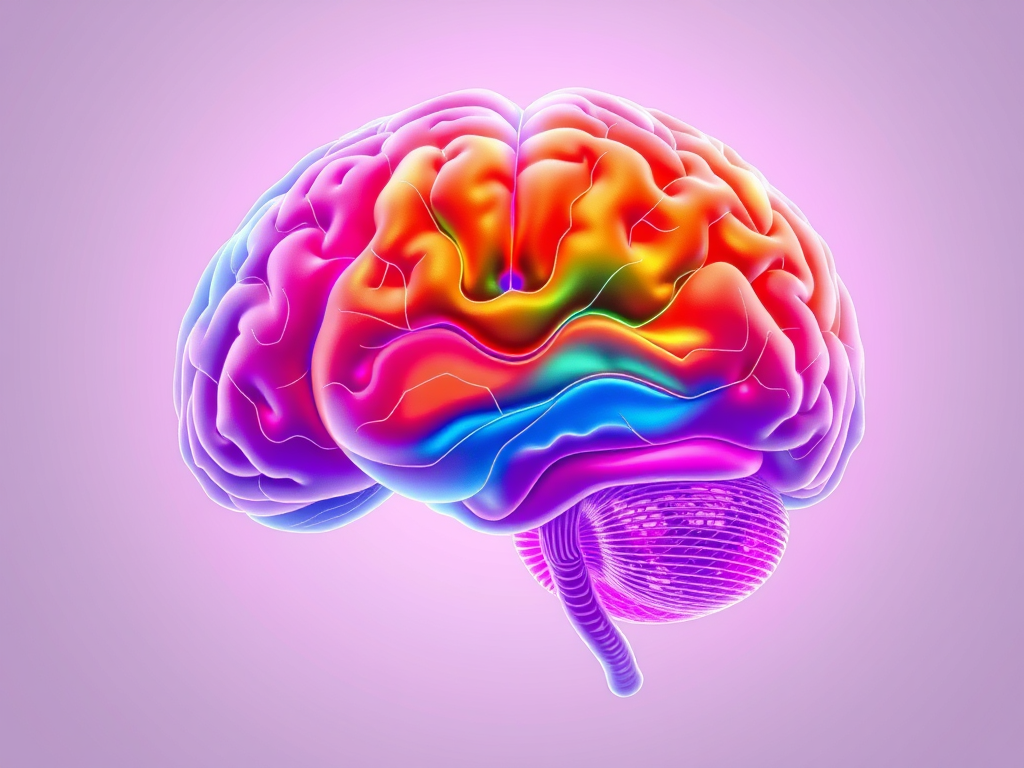
1. The limbic lobe and the related subcortical nuclei.

The limbic lobe includes the cingulate gyrus, isthmus, hippocampal gyrus, and uncus.

2. The related subcortical nuclei are the hypothalamus, amygdala, septal nuclei, portion of the basal ganglion,paraolfactory area, and anteriorthalamic nucleus.

The hypothalamus is located in the middle of all these structures and plays a vital role in the limbic system.

Functions and Structure of the Uterus Explained

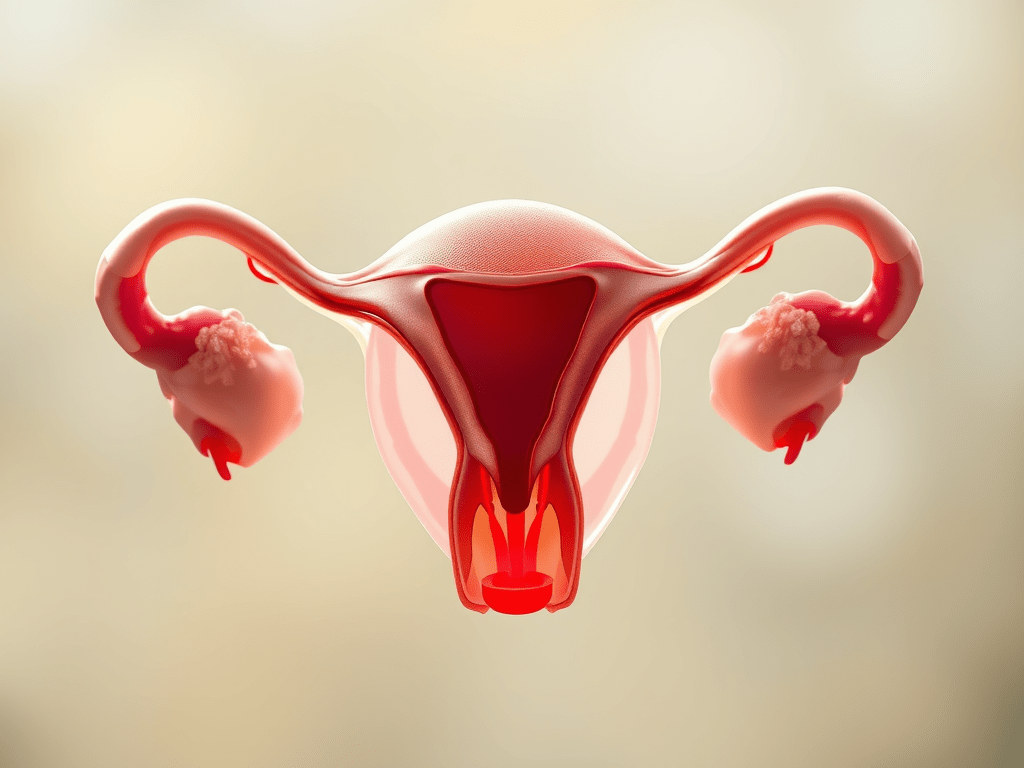
The uterus is a hollow muscular organ situated in the female pelvis. It is a pear-shaped (Pyriform) organ that lies between the urinary bladder in front and the rectum behind. The uterus is usually anteflexed and anteverted.
The size of the uterus in an adult female is 3 inches x 2 inches x 1 inch (7.5 cm long x 5 cm wide x 2.5 cm thick. The weight of the adult nulliparous uterus ranges from 50 to 80 g.

The uterus develops from the fused vertical part of the two Müllerian ducts.

Neuroendocrine Reflex Explained: Homeostasis and Examples

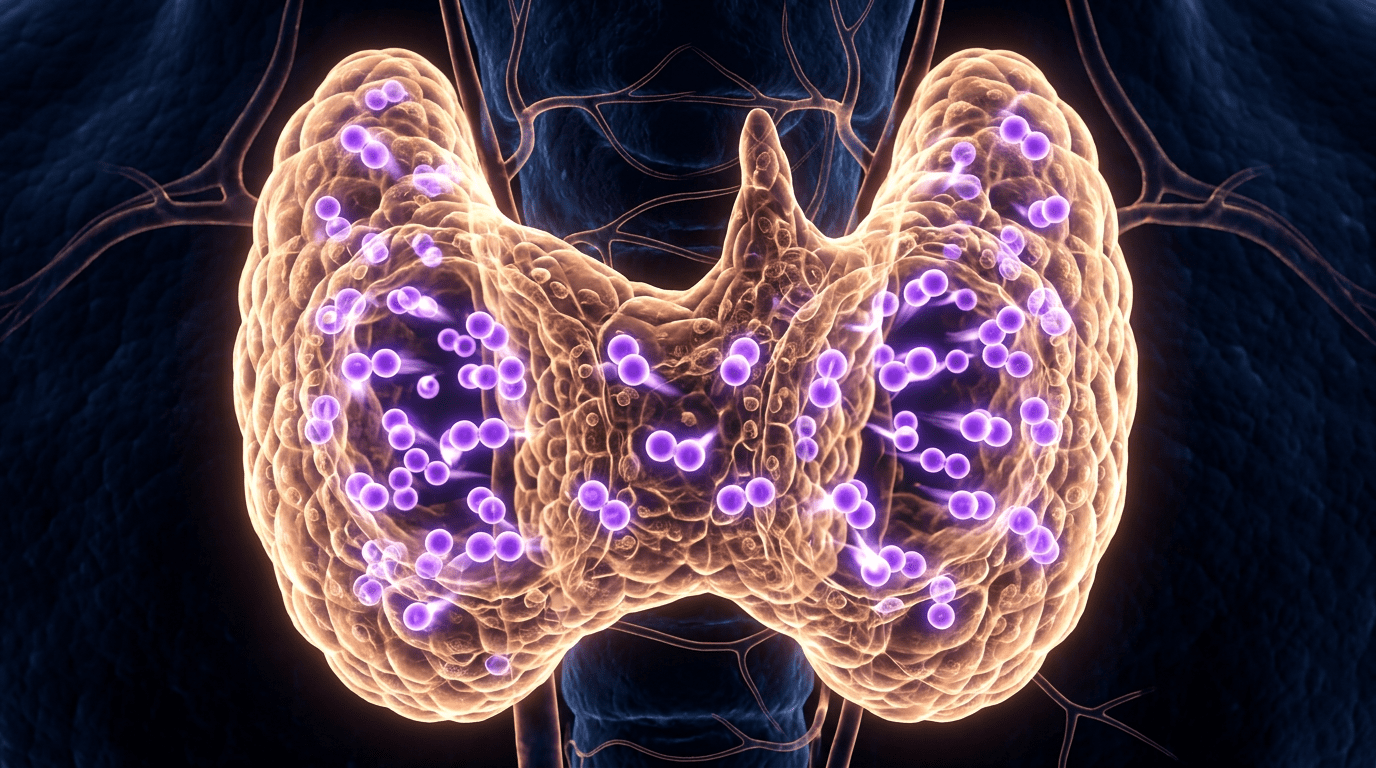
The neuroendocrine reflex integrates two systems of the body that are responsible for maintaining homeostasis. The two systems are the nervous and endocrine systems. They affect each other through both negative and positive feedback mechanisms to regulate the body’s overall functions. The internal and external stimuli stimulate them.