

Subscribe to continue reading
Subscribe to get access to the rest of this post and other subscriber-only content.
Learning will enrich your knowledge, enabling you to soar high and achieve your maximum potential in life; the sky is the limit.
Subscribe to get access to the rest of this post and other subscriber-only content.
Subscribe to get access to the rest of this post and other subscriber-only content.
Subscribe to get access to the rest of this post and other subscriber-only content.
Subscribe to get access to the rest of this post and other subscriber-only content.
Subscribe to get access to the rest of this post and other subscriber-only content.
Vital capacity (VC) is the air volume that can be expired by forceful effort, following maximal deepest possible inspiration.
The subject takes a deep breath of maximal inspiration and then breathes out forcefully. The volume of air expelled indicates vital capacity.
The total Tidal volume (TV), Inspiratory reserve(IRV), and Expiratory reserve volumes (ERV) make Vital capacity.
Vital capacity measures respiratory functions and indicates respiratory and overall health conditions. It indicates functions of higher brain and respiratory centers, strength of respiratory muscles, regular nerve supply to the respiratory muscles, and functions of the lungs and chest wall.
Read more of this content when you subscribe today.
Read more of this content when you subscribe today.
You cannot change your age, sex, and height, but you can improve your posture, general health, and lung and muscle conditions by simple and effective methods.
Improving your vital capacity involves strengthening your respiratory muscles and optimizing lung function. Here are some simple, free, but effective steps:
1. Maintain a normal weight.
2. Maintain hydration.
3. Ensure quality sleep for 6 to seven hours.
4. Take a balanced diet at regular intervals.
5. Avoid stress and strain.
6. Avoid pollution and ensure good quality of indoor air.
7. Quit smoking and avoid passive smoking.
8. Quit alcohol.
9. Practice deep breathing exercises, such as deep inhalations and exhalations, to expand your lungs fully and Diaphragmatic breathing, also known as belly or abdominal breathing.
10. Practice regular aerobic exercise, such as running, swimming, or cycling, and muscle-building exercises to strengthen your muscles, especially those of your back, chest, neck, and abdomen. Before starting the exercise program, follow the advice of a qualified healthcare provider.
11. Practice Yoga
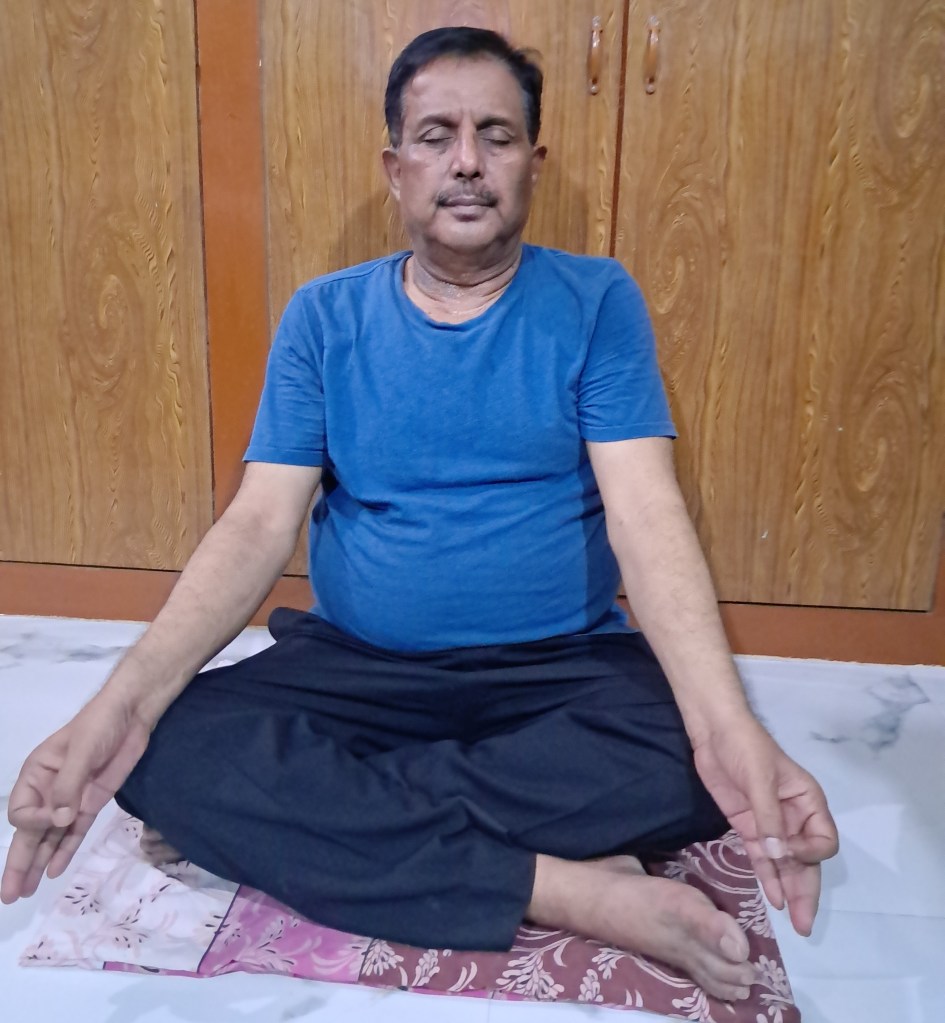
12. Maintain a healthy lifestyle.
Remember, this is for informative purposes only, based on different sources of information.
Read more of this content when you subscribe today.
Read more of this content when you subscribe today.
This article will discuss the role of the complement system in the body’s defense mechanisms, including its site of origin and mechanism of action.
Table of Contents
Introduction
The complement system is crucial in the body’s defense against invading pathogens and tumor cells. Its components enhance the antibacterial activities of antibodies.
The complement system, or the complement cascade, consists of over 50 small inactive protein precursors in blood, body fluids, and tissues. They contribute about 10% of the globulin of plasma protein. The inactive form is known as zymogen. When stimulated by appropriate stimulus, proteases in the system cleave specific zymogen to release active enzymes.
1. Opsonization-to speed up phagocytosis.
2. Formation of ‘membrane attack complex (MAC) to cytolyse or cell killing and
3. Produce inflammation to attract phagocytic cells and other immunocompetent cells to the invasion site.
Hepatocytes synthesize complement molecules.
Monocytes, macrophages, platelets, and epithelial tissues of the gastrointestinal tract and urogenital tract also contribute in small amounts.
The complement system is a system of plasma enzymes. The liver synthesizes enzymes of the complement system. It comprises over 50 enzymes circulating in the blood and is responsible for cell killing by humoral and cellular immunity.
The precursors are zymogens, inactive enzymes in the blood, body fluids, and tissues. When stimulated, they become active enzymes at sites of infection locally and trigger events that exert effects when stimulated by an antigen-antibody complex or other pathways.
When in active form, they work in a sequence of cascade reactions to remove pathogens, kill pathogens, initiate and promote inflammation, and activate other immunological cells.
In a complement cascade system, an active complement enzyme formed by cleavage of its zymogen precursor then cleaves its substrate, another complement zymogen, to its active enzyme to form. This, in turn, cleaves and activates the next zymogen of the complement pathway. In this way, activating a small number of complement proteins at the start of the path, amplified by each successive enzymatic reaction, rapidly generates a significant complement response.
There are many regulatory mechanisms to prevent uncontrolled complement activation.
All components of the classical complements are designated by the letter C followed by a number, for example, C1. The number was allotted in the order of their discovery.
The products of the cleavage reaction of a complement are designated ‘b’ for large fragments and ‘a’ for small fragments.
There are nine named complement enzymes in the complement system, and their names are C1, C2, C3, C4, C5, C6, C7, C8, and C9. Complement C1 has three subunits C1q, C1r, and C1s. The C1 complex has one molecule of C1q, two molecules of C1r, and two molecules of C1s.
Activating one complement of this system triggers cascade reactions that activate other system complements.
The three pathways generate protease C3 convertase. The formation of C3 convertase is an early event of complement activation, and the formation of C5 convertase and onwards is a late event.
These bindings cause conformational changes in the C1q molecules, which lead to the activation of C1r, which cleaves C1s.The C1r,s split C4 and C2 to form
C4——–C1r,C1s———–àC4a and C4b.
C2———C1r,C1s———-à C2a and C2b.
C4b and C2b form C3 convertase, which cleaves C3 into C3a and C3b.
C3b joins with C4b and C2b to make a (C4b, C2bC3b complex), which promotes the formation of C5 convertase. C4b and C3b can bind to the Fc portion of immunoglobulins.
2. Lectin Pathway:
The lectin pathway activates the complement system without the presence of an antibody. It occurs by antigen and C3 hydrolysis. Mannose-binding lectin (MBL)binds with mannose residues on the surface of the bacterial wall and stimulates the MBL-associated serine proteases MASP-1 and MASP-2, which split.
C4 to C4a and C4b and C2 into C2a and C2b.
C4b and C2b join to form the classical C3 convertase. MBL fixation on viral surfaces enhances the neutralization of viruses—complement system.
3. Properdin or Alternative pathway–
Alternative pathways do not depend on the antigen-antibody complex; they are essential to innate immunity.
The alternative pathway is always active at a low level. This is due to spontaneous C3 hydrolysis forming C3 convertase due to the breakdown of the internal thioesters bond.
C3b is formed, which is unstable in aqueous media. Factor H and I rapidly inactivate the C3 convertase.
Pathogens do not have complement regulatory proteins on their surfaces, but they do on the host cells. The alternative pathway distinguishes self from non-self due to the presence of complement regulatory proteins.
When a complement is activated on a host cell surface, the activation is limited by endogenous complement regulator proteins, which include CD35, CD46, CD55, and CD59. Host cells do not have cell surface C3b receptors, but foreign cells, pathogens, and abnormal cells may have many C3b receptors.
Polysaccharides on invading microbes’ bacterial cell walls, tumor cells interact with Properdin and initiate the complement system. Spontaneous hydrolysis of C3 forms active C3 that activates the complement cascade. and C5.
When active, the complement system causes invading microorganisms and tumor cells to lysis.
Each pathway generates a protease called C3 convertase. The reactions causing the formation of C3 convertase are early events of complement activation, which consists of triggered-enzyme cascades in which inactive complement zymogens are successively cleaved to yield two fragments, the larger of which is an active serine protease. The active protease remains at the pathogen surface and ensures that the next complement zymogen in the pathway is cleaved and activated at the pathogen surface.
The small peptide fragment is released from the reaction site and acts as a soluble mediator.
In the early events of complement activation, C3 convertase is formed that will bind to the pathogen surface. The formation of C3 convertase activity is pivotal in complement activation. Here, they cleave C3 to generate large amounts of C3b and C3a. The C3b molecule is the primary effector molecule of the complement system. C3a is a peptide mediator of inflammation.
The C3b molecules act as opsonins and react with phagocytes that have receptors for C3b. They also bind to the C3 convertase to form a C5 convertase that produces the C5a and C5b.
The C5a is an essential small peptide mediator of inflammation.
The C5b initiates the late events of complement activation. These comprise a sequence of polymerization reactions in which the terminal complement components interact to form a membrane-attack complex (MAC).The mac consists of C5b,C6,C7,C8,and polymeric C9.
Complements, especially C3b, coat the surface of pathogens, enabling efficient and prompt phagocytosis by phagocytic cells.
Opsonization is a process of coating the surface of pathogens with complement enzymes.
Complements C5b, C6, C7, C8, and C9 form a membrane attack complex (MAC) that penetrates the cell membrane and leads to cell death.
Active C3 (C3a)and C5(C5a) cause histamine release from granulocytes, mast cells, and platelets. Histamine is a potent vasodilator. Blood vessels dilate under the influence of histamine, increasing capillary permeability, so leucocytes and other cells come to the antigen-antibody complex site, causing inflammation.
4. Enhancement of antibody-dependent cell-mediated cytotoxicity
The complement system enhances antibody-dependent cell-mediated (ADCC) so that immune cells, for example, natural killer cells, destroy target cells.
1. The active complement from C5 to C9 causes perforation in the cell membrane of invading microorganisms and tumor cells. Ions enter the cell and cause its death.
2. Active C3 (C3a) and C5(C5a) release histamine from granulocytes, mast cells, and platelets. Histamine is a potent vasodilator. Blood vessels dilate under the influence of histamine, increasing capillary permeability, so leucocytes and other cells come to the antigen-antibody complex site.
3. Active C3of the system performs two functions-
It causes opsonization and phagocytosis of bacteria.
It activates other complement enzymes.
4. Active C5, C6, and C7 attracts WBCs to antigen-antibody reaction site.
Complement control proteins in the blood and host cell membrane regulate the complement system and protect cells from it. Some inhibiting factors, such as C1 inhibitors and Factor H( FH), also exist.
Some genes produce complement control proteins; if one has defects, the synthesis becomes defective, causing several diseases.
Mutation in the genes of complement regulation causes diseases.
Excessive complement activity was responsible for severe COVID-19 symptoms.
In HIV infection, the complement system causes more damage to the body.
Although the complement system protects the body, it may cause damage beyond repair in stress and severe infections.
The complement system is essential in the pathogenesis of diseases like asthma and lupus erythematosus.
Deficiencies in the complement system increase susceptibility to infections.
Uncontrolled function and inappropriate activation of the complement system can cause autoimmune diseases, chronic inflammation, and tissue damage.
1. Total complement activity test to measure complement activity.
2. Complement fixation test.
Absolute blood indices are essential in diagnosing and typing anemias. A subject’s fundamental values are compared with arbitrarily set typical values. Blood indices have been discarded in favor of absolute corpuscular values.
Table of contents
Mean corpuscular volume is the volume of a single red blood cell. It is expressed in cubic microns (µm3).
MCV= = PCV per 100 ml of blood divided by RBC count in millions / µL Multiplied by 10.

45/5×10 =90 µm3 (average value)
Range is 78 t0 94 µm3.
If MCV is above the normal range, the RBCs are known as macrocytes, and the condition is macrocytosis.
If MCV is less than the normal range, the RBCs are known as microcytes, and the condition is microcytosis.
If MCV is within the normal range, the RBCs are known as normocytes, and this condition is normocytic.
This is the average weight of (amount) of hemoglobin present in an RBC. It is expressed in picograms (10 -12 gm), which are micro-micrograms. We can calculate MCH if we know hemoglobin in grams per deciliter and RBC count in millions /microliter.
MCH= Hb in grams percent multiplied by ten and divided by the number of RBC in million per mm3 of blood.

If the values are
Hb =15 grams%
RBC count= 5 million/mm3.
MCH= 15/5 x10=30 average value.
Typical range is 28-32 picograms(pg).
This is the hemoglobin concentration in a single red blood cell. It indicates the amount of hemoglobin expressed as a percentage of the red blood cell’s volume.
MCHC= = Haemoglobin in grams per decilitre/PCV per 100 ml of blood multiplied by 100.

MCHC= 15/45 X 100= 33.3 % Average value.
The range is 32 to 38 %. ( 35 ± 3%).
In another way, MCHC can be calculated by the following formula
MCHC= MCH divided by MCV and multiplied by 100.
The MCHC value can not exceed 38% because RBCs cannot hold Haemoglobin beyond this metabolic limit—the Haemoglobin-Forming mechanism.
Therefore, RBC is never hyperchromic.
More than 99% of PCV is due to RBC.
MCHC is the most reliable. RBC count is not taken into consideration. Due to its large size, MCH may be high, up to 39 pg in a large red blood cell, but MCHC would be within the normal range.
The color index is the ratio of Haemoglobin to RBC
Colour Index=haemoglobin % /RBC %
The normal range is 0.85 to 1.15 (1± 0.15).
The average is 1.
14.8 gm /dL hemoglobin is 100%, and 5 million/ µm3 RBC count is 100%.
The color index is low in iron deficiency anemia and high in macrocytic anemia.
RBC count and hemoglobin content may decrease simultaneously. Therefore, CI is not affected.
The color index has no clinical value.
Red cell distribution width (MCD) can be measured by direct micrometric measurements of the red blood cells in a stained blood film.
MCD can measure central corpuscular average thickness (MCAT).
Red cell distribution width measures the variation in the size of red blood cells. It is calculated as a coefficient of variation (CV) or standard deviation (SD) and is usually part of a complete blood count.
A normal RDW is usually between 12 % to 15%.
A high RDW means there are abundant microcytes and macrocytes. This is seen in dimorphic anemia.
Other conditions associated with increased RDW are inflammation, malnutrition, and renal diseases.
RBC size variation is known as Anisocytosis. (iso=same,cyto= cells.A=no.)
Variation in the shape of RBCs is known as Poikilocytosis.

Blood In a Test Tube for Tests Image created by the author with canva
The formation of formed elements of blood is hemopoiesis. There are three types of formed elements of blood-Erythrocytes[RBC], leucocytes[WBC], and Thrombocytes [platelets].
So, hemopoiesis is also of three types –
Erythropoiesis-formation of erythrocytes [RBC].
Leucopoiesis -formation of leucocytes [WBC],
Megakaryocytopoiesis – formation of thrombocytes [platelets].
Erythropoiesis is the process of erythrocyte formation; it is a continuous process. However, at different ages, the site of erythropoiesis differs. The sites :
It may be extravascular– hepatic and myeloid stages.
It may be intravascular – mesoblastic stage.
The mesoblastic stage of erythropoiesisstartsin theearly embryo and lasts up to three months of fetal life. RBC is formed from the ‘area vasculosa’-mesoderm of ‘yolk sac.’ The mesoderm of the yolk sac consists of a nucleated mass of protoplasm that creates a network of capillary vessels lined by endothelium and filled with plasma. Endothelial cells proliferate and form masses of nucleated cells. These nucleated cells contain hemoglobin. And detach from capillaries. Later, these cells lose their nuclei and become non-nucleated red blood cells.
The hepatic stage of erythropoiesisstarts afterthree months of fetal life and lasts until six months of fetal life in the liver and spleen. Then, RBCs are formed from the mesenchyme between the tissue cells and the blood vessels.
Myeloid stages of erythropoiesis start in the bone marrow after six months of fetal life. If the bone marrow fails to form RBCs, the liver and spleen will start erythropoiesis.
At a young age, erythropoiesis occurs in red marrow and is present in almost all bones.
In old age, erythropoiesis occurs only in the red marrow of flat bones like the sternum, iliac crest, and vertebrae.
In myeloid erythropoiesis, red blood cell formation occurs from committed stem cells and takes about seven days to mature.
Pluripotent stem cells of the bone marrow develop into Lymphoid stem cells and myeloid stem cells.
Now myeloid stem cells will form ‘colony forming unit EM’ [Erythrocyte and megakaryocyte] and ‘colony forming unit GM ‘[Granulocyte myelocyte].
The ‘colony-forming unit EM’ will form colony-forming units CFU-E’ and CFU-M.
CFU E will form proerthroblast, which [blast is rapidly growing
cells], proliferating to form erythroblast. A proerthroblast is a large cell of 15 -20 microns with a large nucleus and 3-4 nucleoli. Chromatin is open-eukaryotic. It is a highly basophilic and rapidly dividing cell.
The size of the erythroblast is less than the proerythroblast [15-18 microns] and is less basophilic cell. The nucleus also decreases in size and loses nucleoli. Chromatin condenses. It also divides. This erythroblast is known as basophilic erythroblast or early normoblast.
The polychromatic erythroblast is 10-15 microns in size. The nucleus decreases in size, and chromatin condenses. Hemoglobin appears in the cytoplasm, giving it a red color. The ribosome is still present in the cytoplasm, showing a blue color. So, this cell is known as a polychromatic erythroblast and intermediate normoblast.
The size of the orthochromatic erythroblast is 8 to 10 microns. This is also known as the late normoblast. The orthochromatic erythroblast is red due to the cytoplasm’s large amount of hemoglobin. Some amount of ribosomes is also present. The nucleus becomes very small -looks like a cartwheel.
[These stages of erythrocyte development occur in the bone marrow and take about seven days in normal conditions.]
A reticulocyte is a small cell [7 to 8 microns]without a nucleus. Some RNA presently gives a reticular appearance to the cell. Only 1-2% of reticulocytes are present in the circulation. However, in rapid erythropoiesis, reticulocyte percentage increases in circulation. Reticulocyte is also known as ‘immature red blood cell.’
.After about two days, reticulocytes become erythrocyte-mature red blood cells.
Erythrocyte is also a tiny cell [7-8 microns] without a nucleus and RNA remnants. It is red.
Hemoglobin appears in the intermediate normoblast stage.
Mitosis stops in the late normoblast stage.
The nucleus and all organelles, such as mitochondria, Golgi apparatus, ribosomes, and endoplasmic reticulum, disappear in the later part of the late normoblast stage.
Reticulocyte maturation continues even after it loses its nucleus and other organelles. The reticulocyte loses 20 to 30 % of the cell surface and eliminates membrane-bound cytosolic organelles through an autophagy /exosome-combined pathway.
Stages Size Other feature
1. Proerythroblast 15-20 µm large nucleus
2. Early normoblast 14-18 µm hemoglobin appears
3. Intermediate normoblast– 10-14 µm more hemoglobin appears
4. Late normoblast – 8-10 µm nucleus disappears
5. Reticulocyte – 7.2 µm reticular structure in the cytoplasm
6.Erythrocyte – 7.2 µm
Stages 1 to 5 are present in the bone marrow. One to two percent of reticulocytes are currently in circulation. In rapid erythropoiesis, the number of reticulocytes increases in circulation. Stage 6, that is, erythrocytes are present only in circulation.
The size of the cell reduces progressively.
The nucleus decreases in size, and nucleoli disappear as maturation occurs. Open chromatin in the nucleus condenses and finally disintegrates. The nucleus and nucleoli degenerate.
Hemoglobin appears in the intermediate normoblast stage and increases progressively.
Mitosis takes place up to the intermediate normoblast.

Image created by Author with Canva.
The lecture explains the site of secretion, functions, and mode of action of oxytocin. It will also explore the ‘milk let down reflex’ or suckling reflex.
Keywords: Oxytocin |Love Hormone | Neurophysin -1|Paraventricular nucleus|peptidergic neurons of the magnocellular neurosecretory system |Milk ejection reflex |Milk let down reflex|Oxytocin and sex|Oxytocin and breastfeeding|Oxytocin benefits for men| Oxytocin benefits|benifits o Oxytoin| Action of oxytocin
This article is part of my mission to provide trustworthy recent health information to support the general public, patients, and professionals globally.
Here, you will find human Physiology and health-related topics.
This activity aims for learners to better apply the latest scientific knowledge.
Upon completing the article, you will have increased knowledge regarding the subject and use it with great confidence.
Oxytocin is a hormone and a neurotransmitter.
From the paraventricular nucleus, the hormone passes to the axons, combines with the carrier protein ‘Neurophysin -I,’ is transported in the hypothalamus-hypophysial neural tract, and is stored in axon endings in the posterior pituitary.
In the posterior pituitary, oxytocin is stored and released by nerve impulses in the hypothalmo-hypophysial neural tract.
Oxytocin, also known as the Love hormone, is responsible for positive emotions, social binding, love, relationships, pair bonding, and trust.
Oxytocin causes attachments between mothers and their infants and children and bonds between romantic partners.
Let me know in the comment section.
What does oxytocin do?
1. On the myoepithelium lining the ducts of mammary glands:
It causes contraction of the myoepithelium lining the mammary glands’ alveoli, ducts, and cisternae, leading to milk ejection from the lactating breast.
2. On the myometrium
It stimulates the contraction of the uterus’s smooth muscles, making it vital and helpful in inducing labor. It helps to control bleeding after delivery(PPH). Pitocin is the brand name of Oxytocin injection. It is used to control bleeding after delivery(PPH).
3. Action on the anterior pituitary gland
Oxytocin stimulates the release of lactogenic and galactopoietic factors from the anterior pituitary gland.
4. On blood vessels
In high doses, it causes relaxation of blood vessels, causing a fall in blood pressure.
6. Boosts the prostaglandin production.
5. In males, it increases contraction of the vas deferens’ smooth muscles, facilitating the transport of sperms towards the urethra. The testis, epididymis, and prostate glands in males have oxytocin receptors.
6. Mental health: Oxytocin promotes positive feelings, increases happiness, and promotes positive social behavior. It also plays a role in anger management. A low oxytocin level is associated with depression.
It may be conditioned sight; crying of the child can cause milk ejection.
Physical stimulation of the nipple.
Physical stimulation of the genital tract.
Dilatation of the cervix also stimulates the paraventricular nucleus to secrete and release oxytocin.
Stimulation of cholinergic nerve.
You can increase your Oxytocin levels with simple yet very effective steps, such as eating a healthy, balanced diet, exercising regularly, giving someone a hug, and spending time with friends, children, and family.
Touch and massage also increase oxytocin levels.
No food supplement is required to increase oxytocin levels.
Drugs
Sympathetic nerve stimulation
Stress and psychic factors.
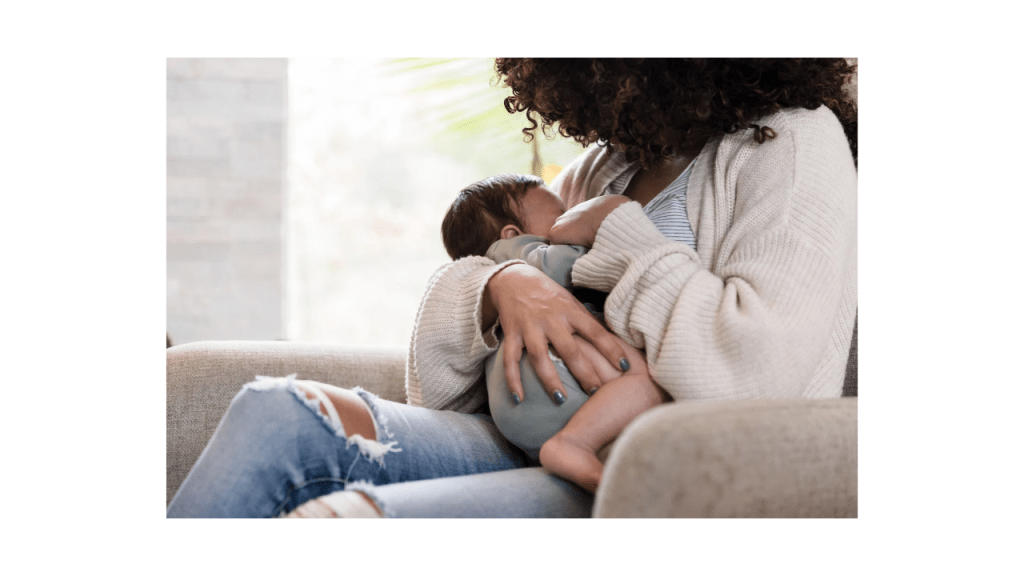
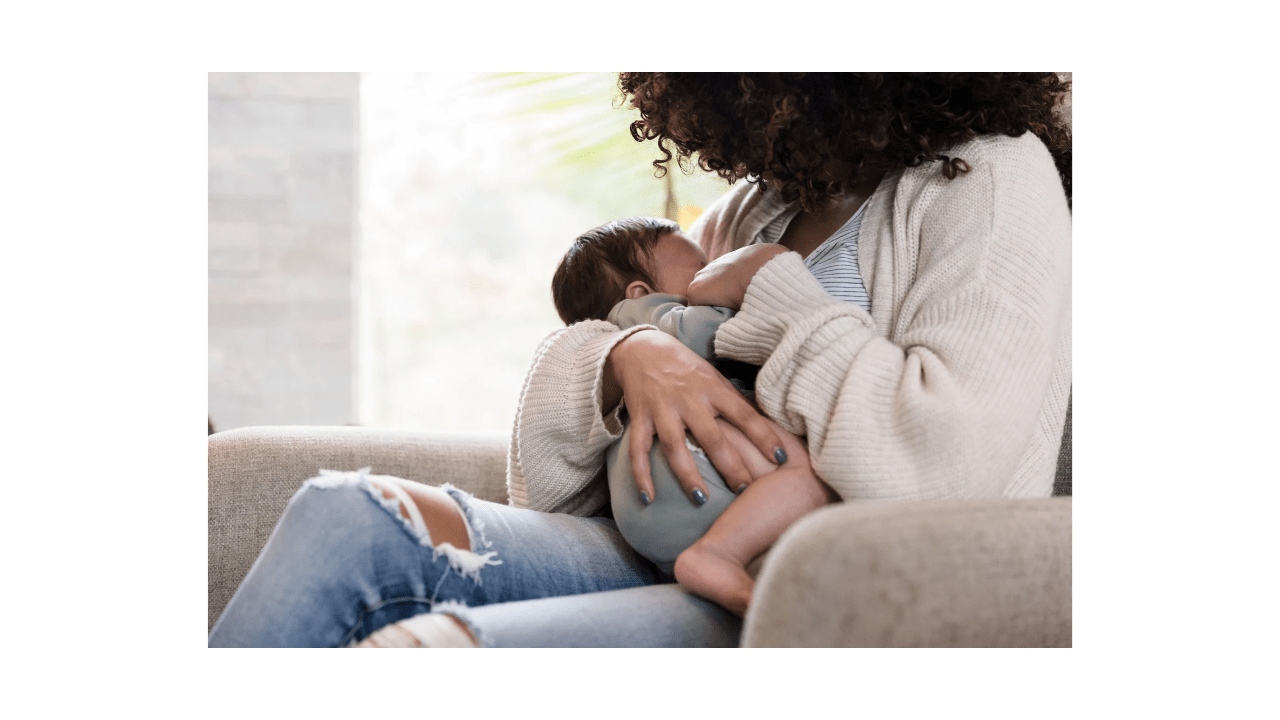
Tactile receptors are present in the alveolar region of the breast. They are stimulated by suckling and transmit signals to the paraventricular nucleus, which causes reflex secretion of oxytocin in the blood.
Oxytocin acts on its specific receptors present on the myoepithelium lining the alveoli, ducts, and cisternae of the mammary glands and causes contraction of the myoepithelial lining. This leads to milk ejection from the lactating breast in 30 to 60 seconds.
Suckling also promotes prolactin stimulation by inhibiting the release of ‘prolactin inhibitory factor from the hypothalamus.
In this way, suckling causes both secretion and ejection of milk.
When oxytocin binds to its specific receptor, it activates an enzyme, G2, which stimulates Phospholipase C, which is present on the inner surface of the cell membrane.
Phospholipase C catalyzes the hydrolysis of (PIP2) Phosphatidylinositol diphosphate to yield two second messengers: (IP3) Isositol triphosphate and (DAG) diacylglycerol.
Inositol triphosphate (IP3) diffuses to the endoplasmic reticulum to trigger the release of Ca++ into the cell. The calcium influx increases intracellular calcium ions, leading to muscle contraction.
This mechanism operates in the mammary gland, uterus, and vas deference.
Diacylglycerol stays in the cell membrane to activate protein kinase C.
What is Oxytocin?
What does oxytocin do?
How are oxytocin levels controlled?
How to increase oxytocin levels?
How can oxytocin affect mental health?
Is oxytocin a happy hormone?
Why is oxytocin called the love hormone?
Brand name of oxytocin?
What is the Cuddle hormone?
Oxytocin is the Cuddle hormone. It is associated with pair bonding, sexual activity, childbirth, and breastfeeding. It is also responsible for sexual desire, erection, orgasm, and happiness.
Internal Links:
https://blog.totalphysiology.com/2024/10/growth-hormone-somatotrophin-human.html
https://blog.totalphysiology.com/2022/02/hormones-adrenal-medulla-adrenalin.html
https://blog.totalphysiology.com/2022/01/pituitary-gland secretion hormones.html
External Links:
Please submit your comments about this article. The team will work hard to evaluate the statement and make appropriate corrections. Your comments will help improve the content.
Thank you very much for reading. I appreciate that you spent some time with us. If you enjoyed reading, please leave a review or a comment. Your comments will encourage other folks to read.
Disclaimer: All possible measures have been taken to ensure the accuracy and reliability of the information; however, the author does not take any liability for using any information provided by the website solely to the viewers. ‘The information is provided as an educational service and public awareness. It is not medical advice. We advise you to review a reference book in case of any doubt and more accurate and advanced knowledge




 learn-and-fly.co.in