Obesity -An overview

Obesity: A Comprehensive Overview of Causes, Health Risks, and Treatment Approaches

https://pagead2.googlesyndication.com/pagead/js/adsbygoogle.js?client=ca-pub-6860029478945130

Keywords:

Obesity |definition| Excessive body fat|Causes | Excessive food consumption|Insufficient physical activity| Genetic predisposition to obesity | Endocrine disorders and obesity| Medications and obesity| Psychiatric illnesses| Slow metabolism and weight gain| Body Mass Index (BMI), Waist circumference| Abdominal obesity,

Table of content:

1.What is obesity
2.Assessing obesity
3.Classification of obesity
4.Causes of obesity
5.life style
6.Health risks
7.Management
8.Approach of sustainable weight loss

H2: What is Obesity

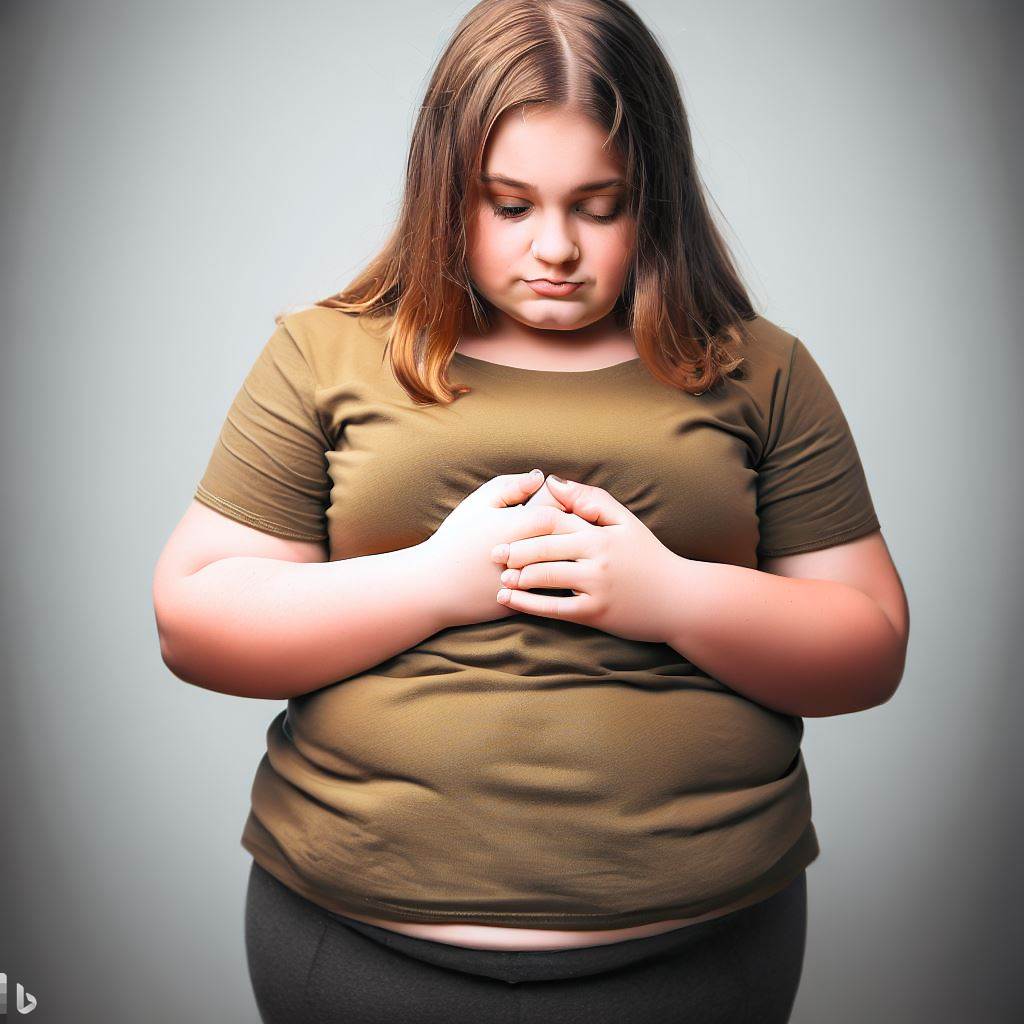
Obesity is a medical condition associated with excessive body fat accumulation, leading to lower life expectancy and increased health-related problems. It is accompanied by a higher risk of different diseases, specifically heart disease, type 2 diabetes, obstructive sleep apnea, certain types of cancer, and osteoarthritis.

The primary causes of obesity are excessive food and energy consumption, insufficient physical activity, and genetic predisposition. However, few cases may be attributed to specific genetic factors, endocrine disorders, different medications, or psychiatric illnesses.

While there is limited evidence to support the notion that slow metabolism contributes to weight gain in some obese individuals who consume less, on average, obese individuals have more significant energy expenditure due to the maintenance of increased body mass.

H2: Assessing Obesity and Classification with Body Mass Index (BMI) & Waist Circumference

Obesity is often calculated and classified using a widely accepted method called the body mass index (BMI). BMI estimates body fat based on the weight and height of an individual. BMI is measured using a person’s weight (in kilograms) divided by the square of their height (in meters).

The classification of BMI for adults includes underweight (BMI ≤ 18.49 kg/m²), average weight (BMI 18.5-24.9 kg/m²), overweight (BMI 25-29.9 kg/m²), obese (BMI over 30 kg/m²), and morbidly obese (BMI over 40 kg/m²). In children, obesity is classified using BMI percentiles compared with children of the same age and sex.

Additionally, waist circumference is widely used for classifying individuals with atypical muscle-to-fat ratios. It is worth noting that BMI may overestimate body fat in very muscular individuals and underestimate it in certain racial and ethnic groups, for example, Asians who tend to have greater adiposity per BMI level.

Abdominal obesity, measured above a BMI of 35 kg/m², is now considered a better indicator for health problems than total body mass.

H2: Causes of Obesity: From Individual Lifestyle Factors to Societal Influences

The causes of obesity can be attributed to excessive food intake and a sedentary lifestyle at an individual level. However, societal factors such as easy access to palatable diets, increased reliance on cars, and mechanized manufacturing contribute to the rising rates of obesity.

Other possible contributors include insufficient sleep, exposure to endocrine disruptors, decreased variability in ambient temperature, reduced smoking rates (which suppress appetite), increased use of medications associated with weight gain, proportional increases in heavier ethnic and age groups, later age pregnancies, epigenetic risk factors, natural selection for higher BMI, and assortative mating leading to the concentration of obesity risk factors.

H2: Health Risks and Impacts of Obesity Across Ages and Ethnicities

Obesity poses numerous health risks and is a known risk factor for major causes of death, including cardiovascular disease, various cancers, and diabetes, ultimately leading to significantly reduced life expectancy.

It is also associated with osteoarthritis, gallbladder disease, sleep apnea, respiratory impairment, diminished mobility, low health-related quality of life, and social stigmatization.

For both children and adolescents, obesity raises the risk of type 2 diabetes, asthma, nonalcoholic fatty liver disease, and mental health issues such as depression and low self-esteem, etc. Various factors are associated with obesity, including ethnicity; people in African-American and Hispanic experience increased rates of weight gain and obesity compared to Caucasians and Asians.

H2: Managing Obesity: Approach of Sustainable Weight Loss

The treatment of obesity is designed to address the underlying causes and removal of excess fat through dietary changes and increased physical activity. Medical supervision is advised for weight loss because quick-fix diets and dietary fats often yield limited long-term effectiveness and can harm health.

Lifestyle modifications are vital to achieving sustainable weight loss, including increased physical activity and maintaining a balanced diet focusing on reducing calorie intake and substituting refined carbohydrates with fruits and vegetables.

Conclusion

In conclusion, obesity is one of the major global health problems with significant prevalence and adverse health consequences. It associates with a complex interplay of genetic, environmental, and lifestyle factors.

Proper management of obesity requires a combination of healthy eating habits, regular physical activity, behavior modifications, and, in some cases, medical or surgical interventions.

Tags: Causes of obesity #Lifestyle factors # Societal influences #Health risks# Cardiovascular disease #Cancer # diabetes# Osteoarthritis# Ethnicity, and obesity# Managing obesity,# Dietary changes# Physical activity # weight loss# Quick-fix diets# Balanced diet# Lifestyle modifications # Healthy eating habits # Medical # Surgical interventions for obesity

https://pagead2.googlesyndication.com/pagead/js/adsbygoogle.js?client=ca-pub-6860029478945130

Links:

https://blog.totalphysiology.com/2021/10/bmi-body-mass-index calculationutility.html

https://blog.totalphysiology.com/2021/10/obesity-cause effect.html

References:

Kelly A. Orringer, ‘Obesity Prevention and Management, UMHS Obesity Prevention and Management, University of Michigan Health, pp. 01-11, 2020

Nahed M MEmam. ‘Obesity Disorder and Methods of Treatment.’ Cohesive J Microbiol Infect Dis. 6(3). CJMI. 000639. 2023.

Britannica, The Editors of Encyclopaedia. “obesity.” Encyclopedia Britannica, 27 Apr. 2023, https://www.britannica.com/science/obesity. Accessed 18 June 2023.

Insomnia|sleep-lessness

Table of content

1.Introduction
2.Physiological Basis of Insomnia
3.Causes of Insomnia
4.Prevention Strategies for Insomnia
5.Conclusion
6.References 
Table of content

Introduction:

In today’s fast-paced world, a good night’s sleep has become an elusive luxury for many. Insomnia, a common sleep disorder, can wreak havoc on our physical and mental well-being. In this blog, we delve into the physiological basis of insomnia, explore its causes, and offer valuable prevention strategies to help you restore your sleep and regain control of your life.

About 1/3rd of all adults complain of trouble sleeping, and around 10% get diagnosed with insomnia (1).

Understanding the Physiological Basis of Insomnia:

Insomnia is not simply a result of a racing mind or external factors; it has a strong physiological basis. The intricate workings of our body’s internal clock, known as the circadian rhythm, significantly regulate our sleep-wake cycle. Disruptions in this delicate balance can lead to insomnia. Additionally, neurotransmitters like serotonin and norepinephrine, responsible for regulating sleep and wakefulness, can become imbalanced, further contributing to sleep disturbances (2).

Common Causes of Insomnia:

A variety of causes are known to disrupt sleep and cause insomnia. Some of these include:

  • Stress and Anxiety: Excessive worrying, unresolved stress, or anxiety can make it challenging to unwind and fall asleep. Racing thoughts and a hyperactive mind can keep you tossing and turning throughout the night. In addition, depression is a known cause of insomnia (3).
  • Poor Sleep Habits: Irregular sleep schedules, frequent napping, excessive caffeine or alcohol consumption, and engaging in stimulating activities close to bedtime can disrupt your sleep patterns and contribute to insomnia.
  • Medical Conditions: Various medical conditions, such as chronic pain, respiratory disorders, hormonal imbalances, and neurological conditions, can interfere with sleep and lead to insomnia.
  • Medications: Certain medications, including antidepressants, corticosteroids, and medications for hypertension, can disrupt sleep patterns as a side effect, resulting in insomnia.

Effective Prevention Strategies for Insomnia:

  1. Establish a Consistent Sleep Routine: Maintain a regular sleep schedule by going to bed and waking up at the same time every day, even on weekends. This helps regulate your body’s internal clock and promotes better sleep quality.
  • Create a Relaxing Sleep Environment: Make your bedroom a sleep-friendly haven by keeping it cool, dark, and quiet. Invest in a comfortable mattress and pillow, and consider using white noise machines or earplugs to block out disruptive sounds.
  • Practice Relaxation Techniques: Incorporate relaxation techniques like deep breathing exercises, meditation, or gentle yoga stretches into your bedtime routine. These activities can calm your mind and prepare your body for sleep.
  • Limit Stimulants and Electronic Devices: Avoid consuming caffeine, nicotine, and alcohol close to bedtime, as they can interfere with sleep. Additionally, establish a digital curfew by avoiding electronic devices such as smartphones, tablets, and laptops at least an hour before bed, as the blue light emitted from these devices can disrupt your natural sleep-wake cycle.
  • Seek Professional Help: If your insomnia persists despite implementing self-help strategies, it is essential to consult a healthcare professional. They can evaluate your condition, identify any underlying medical or psychological factors, and recommend appropriate treatments such as cognitive-behavioral therapy or medication.

Conclusion:

Insomnia can significantly impact our daily lives, affecting productivity, mood, and overall well-being. By understanding the physiological basis of insomnia, identifying its common causes, and implementing effective prevention strategies, you can take proactive steps to restore your sleep patterns and experience the restorative benefits of a good night’s sleep. Remember, prioritizing your sleep health is vital to your overall quality of life.

Blog tags:

#Insomnia#SleepDisorders#SleepHealth#CircadianRhythm#SleepDeprivation

#SleepQuality#StressManagement#SleepTips#SleepRoutine#SleepEnvironment

#HealthySleepHabits#SleepPrevention#SleepWell

References:

  1. https://www.healthline.com/health/insomnia#What-is-insomnia?
  2. https://www.healthline.com/health/insomnia-concerns
  3. https://www.healthline.com/health/depression/effects-on-body#nervous-syste

Created by AI

A nucleus in the human cell

What is a nucleus?

The nucleus is present in the cytoplasm of Eukaryotic cells. The nucleus is a spherical structure surrounded by a lipid bilayer -a two-layered, relatively permeable nuclear membrane. Large pores are also present in the nuclear membrane through which large molecules like RNA pass quickly. The nucleus encloses the genetic material. At nuclear pores, two layers are connected.

The space between the two folds of the nuclear membrane is known as a ‘perinuclear cistern or space. Inner the internal layer of the nuclear membrane, there is a thin Nucleus in the human cell.

The layer is the nuclear lamina, which provides structural support to the nucleus.

Who discovered the nucleus?:

Robert Brown, in 1831, discovered the nucleus. It was the very first organelle to be found.

Position of the nucleus:

Usually, only one nucleus is present in the cell center. Usually, one nucleus is present in each cell; in some cells, more than one nucleus (nucleoli) are present, and in some nucleus is absent.

Nuclear receptor

Nuclear receptors are ligand-regulated transcription factors activated by steroid hormones, estrogen, thyroid hormones, vitamins, and other lipid-soluble signals.

Ligands are lipid-soluble substances -hormones, fat-soluble vitamins, and xenobiotic hormones.

When a ligand binds with its specific nuclear receptor, regulation of gene expression occurs. It causes ‘conformational’ changes of the receptor that activates receptors, and up-or down-regulation of gene expression occurs.

Nuclear receptors directly control genomic DNA. In human beings, 48 Nuclear receptors are present.

Types of receptors:

Class I Nuclear receptors

Class II Nuclear receptors

Class III Nuclear receptors are a subgroup of type I and II.

Class IV Nuclear receptors

They regulate :

Embryonic development and adult homeostasis.

Nuclear receptors bind directly to DNA; they are ‘Transcription factors .’

Orphan receptors have no endogenous ligands. However, some receptors, e.g., FXR, LXR, and PPAR, bind multiple metabolic products, e.g., free fatty acids, bile acids, et. cetra.

CAR, PXR, and other nuclear receptors are xenobiotic sensors that increase Cytochrome P 450 enzymes.

Domains of nuclear receptors are

N-terminal

DNA binding domain DBD

Hing region

Ligand binding domain (LBD)

And C-terminal.

Mechanism of action of Nuclear receptor:

Class I Nuclear receptors (NR) are in the cytosol(cytoplasm). When a hormone binds with NR, it dissociates heat stroke proteins (HSP), dimerization, and translocation( active transport ) to the nucleus. In the nucleus, NR binds to a specific sequence of DNA known as ‘Hormone Response Element (HRE).

The Nuclear receptor DNA complex, in turn, recruits other proteins responsible for DNA transcription into mRNA. mRNA is

translated into protein-changing in cell function.

Class II receptors: located in the nucleus bound to DNA. For example, the Nuclear receptor for the thyroid hormone TR is converted to ‘RXR. When the hormone is absent, the TR binds with the Corepressor protein.

TR- Corepressor protein complex dissociates when the hormone comes, and free TR binds with the Coactivator protein.TR- Coactivator protein complex recruits some protein, e.g., RNA polymerase, that causes transcription of DNA into RNA and finally protein.

Structure

The nucleus comprises chromosomes supporting proteins (deoxyribonucleic acid) DNA on which genes are present.

Gene is a portion of DNA molecule that carries information for all the individual’s features and characteristics.

Under normal conditions, chromosomes appear as irregular clumps of dark material

known as ‘chromatin.’ Chromatin is the evidence of the presence of chromosomes.

However, the pair of chromosomes become apparent and visible during cell divisions.

In human beings, there are 46 chromosomes arranged in 23 pairs of chromosomes.

Twenty-two pairs are somatic chromosomes; one pair is sex chromosomes, and x y, or xx.

Nucleolus

The nucleus of a cell contains one or more nucleoli. In the nucleus, the nucleolus is present, the most dense part of the nucleus. It is rich in RNA. They are bluish in nature. The characteristic feature of the nucleolus is that they lack membrane. The nucleolus is not covered by any membrane. Other organelles have membranes.

The nucleoli are collections of large amounts of RNA and proteins in the cytoplasm without any membrane. The size of the nucleoli depends on the activity of the cell. When the cell synthesizes protein rapidly, the nucleolus becomes enlarged.

The nucleoli are very prominent in growing cells to synthesize large amounts of proteins.

The nuclei form or synthesize the nucleolus. Some specific DNA gene causes the synthesis of different types of RNA. Some RNA is stored in the nucleus, but most enter the cytoplasm through nuclear pores.

They synthesize RNA, which stimulates ribosomes, to stimulate protein synthesis.

Functions of nucleus

Provides a template for RNA synthesis.RNA migrates in the cytoplasm and causes protein synthesis.

Genes are responsible for the inheritance of species-specific features

The nucleus is responsible for cellular reproduction and the multiplication of cells.

Proteins, fat, and Carbohydrates are present in the cell membrane. When a protein attaches to a carbohydrate, glycoproteins are formed that play vital roles in the cells, like cell adhesion.

Disclaimer:

Although every precaution has been taken to verify the accuracy of the information contained herein, the author assumes no responsibility for any errors or omissions. No liability is assumed for damage resulting from using the information contained within. 

Structure of a nucleus

  1. What is a nucleus?
    1. The space between the two folds of the nuclear membrane is known as a ‘perinuclear cistern or space. Inner the internal layer of the nuclear membrane, there is a thin Nucleus in the human cell.
    2. Who discovered the nucleus?:
    3. Position of the nucleus:
  2. Nuclear receptor
    1. Class I Nuclear receptors
    2. Class II Nuclear receptors
    3. Class III Nuclear receptors are a subgroup of type I and II.
    4. Class IV Nuclear receptors
  3. Domains of nuclear receptors are
    1. N-terminal
    2. DNA binding domain DBD
    3. Hing region
    4. Ligand binding domain (LBD)
    5. And C-terminal.
  4. Mechanism of action of Nuclear receptor:
  5. Structure
    1. Nucleolus
  6. Functions of nucleus
  7. Disclaimer:

Human cell and cell membrane

Definition

What is a cell?

A cell is the structural and functional unit of life. The word originates from the Latin ‘Cellula,’ meaning small room.

Robert Hook discovered cells in 1665 and named them cells due to their resemblance with cells inhabited by Christian monks in a monastery.

Matthias Jakob Schleiden and Theodor Schwann proposed the ‘Cell theory.’According to this cell theory, cells are the basic unit of life. The cells are structural and functional units in living organisms. All organisms have single or multiple cells. Although unicellular organisms are also present.

About four billion years ago, cells appeared on Earth. At first, unicellular organisms appeared on Earth, probably in the sea. In the course of evolution, multicellular organisms developed.

Life starts from a single cell. After that, cells come from pre-existing cells through sexual or asexual divisions.

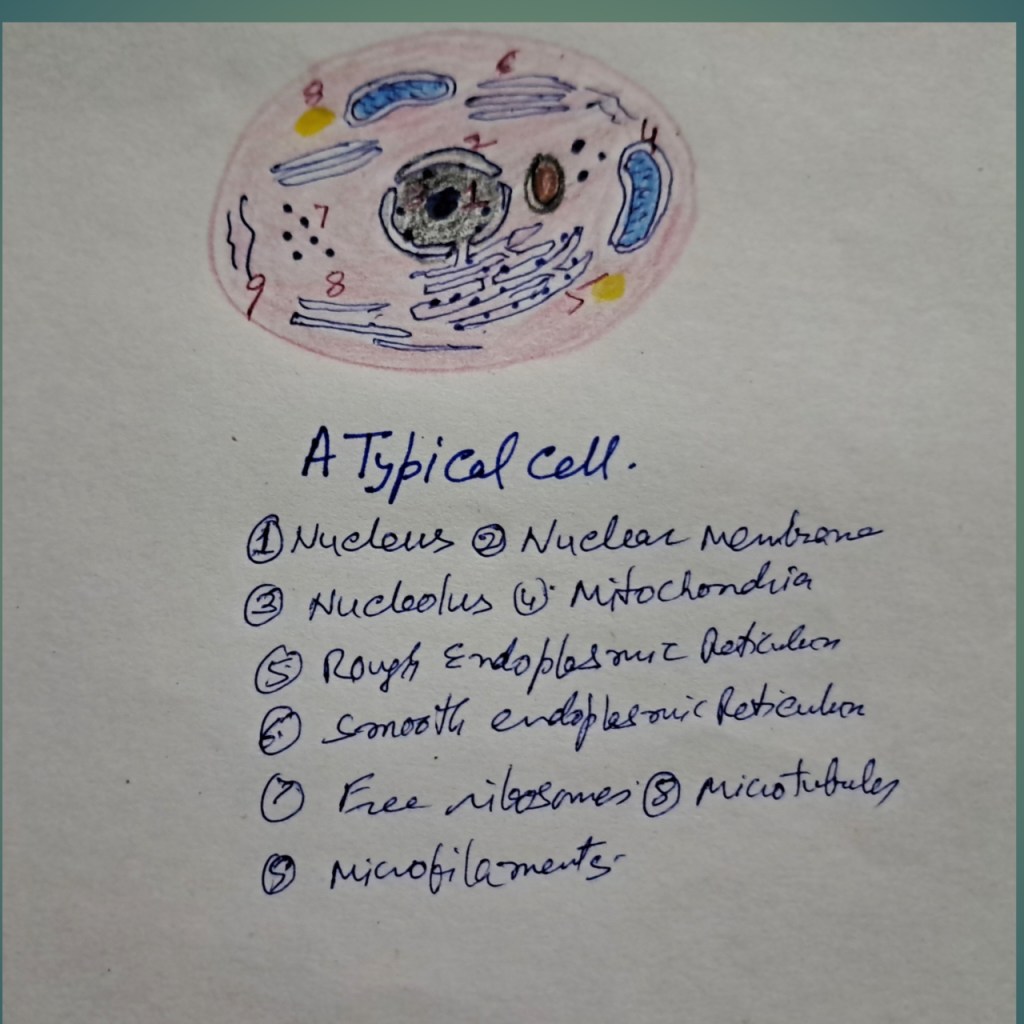
Every cell’s outer layer or covering is the cell or plasma membrane, which encloses the cytoplasm. In the cytoplasm, many organelles are present, such as the nucleus, mitochondria, Golgi apparatus, endoplasmic reticulum, and more, along with organic and inorganic molecules.

Types of cells

There are two types of cells:

Eukaryotic -cell with a nucleus

Prokaryotic -cell without a nucleus, but a nucleoid region is present.

According to the presence of prokaryotic cells, the organism is known as Prokaryocytes, usually single-celled -unicellular organisms. For example, bacteria and archaea. 

Eukaryocytes have eukaryotic cells and may be unicellular or multicellular, e.g., Fungi, plants, and animals.

CELL MEMBRANE

The cell membrane is also known as the plasma membrane or simply membrane. Plasmalemma is a less commonly used term for the plasma membrane.

This surrounds a cell and separates the interior of the cell from the exterior and from other cells. It is a very thin layer with about 70 to 100-angstrom thickness.[1A=10-10 mts. ] One angstrom is equal to 10 nanometer.

Structure of the cell membrane:

The cell membrane is also known as the plasma membrane or simply membrane. Plasmalemma is a less commonly used term for the plasma membrane. This surrounds a cell and separates the interior of the cell from the exterior and from other cells. It is a very thin layer with about 70 to 100-angstrom thickness.[1A=10-10 mts. ] One angstrom is equal to 10 nanometers.

Structure of the cell membrane:

The cell membrane consists of a double layer of lipids- lipid bilayer- in which proteins

are embedded. Protein is usually wedged and attached within the two layers of the lipid.

The cell membrane consists of 20 to 40% lipid, 62 -70% protein, and 1-5% carbohydrate.

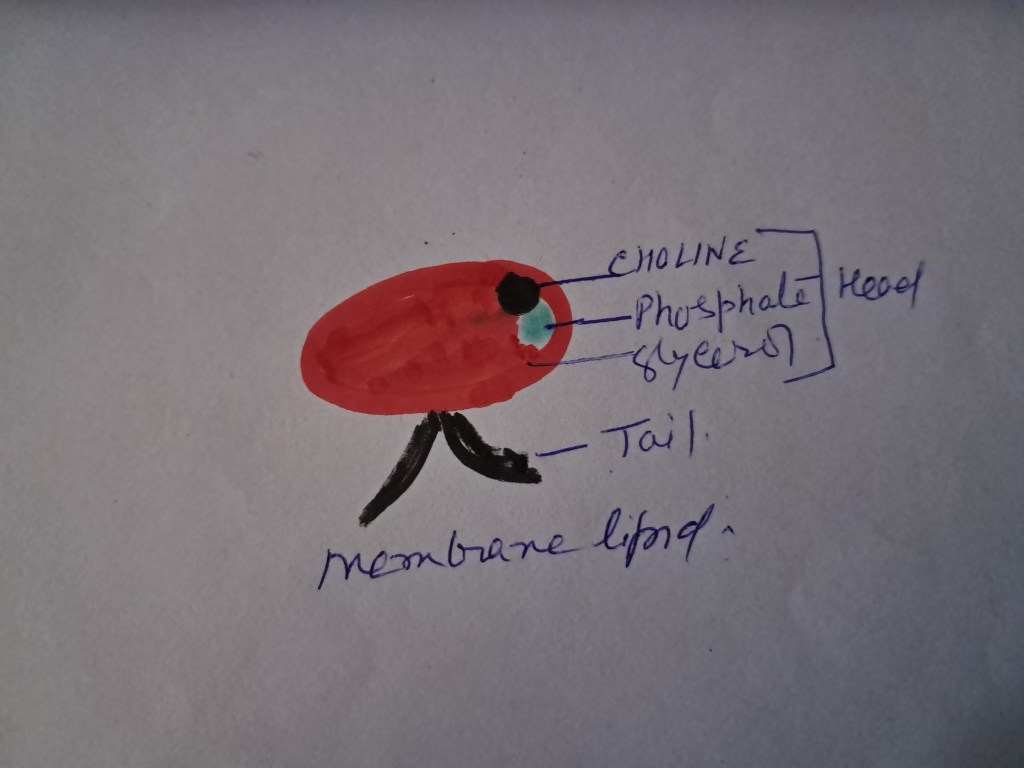
The phospholipids are arranged into two layers with hydrophilic (“water-loving”) heads towards internal and external sides and hydrophobic (“water-fearing”) tails in between the two layers.

 The head end of the molecule contains a phosphate portion and is polar and water-loving hydrophilic. This polar end faces the external and internal side of the cell, that is, extracellular and intracellular fluid.

 The tell end contains two fatty acid chains. They are non-polar,wafter-fearing, that is, hydrophobic. The tails face each other in the interior of the cell membrane, which is a water deficit part.

Proteins, fat, and Carbohydrates are present in the cell membrane. When a protein attaches to a carbohydrate, glycoproteins are formed that play vital roles in the cells, like cell adhesion.

The Fluid Mosaic Model of the cell membrane was proposed and described by S.J. Singer and G.L. Nicolson in 1972 and is now widely accepted.

The cell membrane is like a fluid at body temperature. Lipids, proteins, and glycoproteins are moving on the plasma membrane surface. When body temperature rises, the flexibility of the cell membrane decreases, causing disturbances of cell membrane functions, especially selective permeability is disturbed, causing severe consequences.


Chemically proteins are of two types :

 1. Lipoproteins are lipid-plus proteins acting as enzymes and Ion channels.

2. Glycoproteins are carbohydrates + proteins that work as receptors for

 neurotransmitters.

 Types of proteins based on their presence on the cell membrane:

1. Intrinsic proteins present in the inner surface of the cell membrane

 2. Extrinsic plasma proteins are on the outer surface of the plasma membrane and are also known as peripheral proteins. They provide strength to the cell cytoskeleton.

3. Transmembrane proteins extend throughout the cell membrane.

They function as:

  1. Channels: ions or small water-soluble molecules diffuse through these trans-membrane proteins. They are chemically glycoproteins.

2. Careers active or passive transport across the cell membrane Pumps

Receptors are glycoproteins that bind with hormones and initiate or trigger intracellular reactions. 

There are numerous receptors on the cells. The number of receptors varies according to the need of the body.

 Down-regulation occurs when the hormone or neurotransmitters are in excess. Their receptors decrease in number.

 Up-regulation is when the hormones or neurotransmitters are in fewer amounts their receptors increase in number.

This up and down regulations of receptors are essential physiological phenomena. It explains denervation hypersensitivity and tolerance to some drugs.

Functions of cell membrane:

  1. Protection

2. Maintains ‘milieu interieur’- internal environment, i.e., the composition of intracellular and interstitial fluids.

In the 19th century, a French Physiologist ‘Claude Bernerd’, coined ‘milieu interieur’, a French word to describe the interstitial fluid and its capacity to maintain the internal environment within a normal range so that cells, tissues, and organs perform their functions smoothly.

 Pinocytosis 

 Exocytosis 

 Provide framework-cytoskeleton

 Link adjacent cells  Work as enzymes, receptors, carriers, and channels.

Disclaimer:

Although every precaution has been taken to verify the accuracy of the information contained herein, the author assumes no responsibility for any errors or omissions. No liability is assumed for damage resulting from using the information contained within. 

 मातृ दिवस २०२३ |Mother’s Day 2023 Hindi

प्रस्तावना 

मातृ दिवस हमारी जननी मां को अर्पित है। भगवान ने प्रत्येक जीव को मां जरूर दी है और  भगवान स्वम्  माँ  के रूप में बच्चे के पास होते है | मां अपने  बच्चे का दुख दर्द बिना बताये जानते है | माँ बच्चों के जरुरत को जानते है | बताने कि जरुरत नहीं होती वो महशूस कर लेती है| मां अपने बच्चे की रक्षक होती हैं। समाज में माँ का प्रभाव जगजाहिर है | मां एक भगवान का स्वरूप होती है।मातृ दिवस में माता के प्रभाव को इंगित करने का दिवस है | 

  1. प्रस्तावना 
  2. मातृ दिवस कब मनाया जायेगा 
  3.                                                         इतिहास 
  4.                                                              आलोचना 
  5.                                                   मातृ दिवस किस तरह  मनायें 
  6. अस्वीकरण:  इस आलेख में व्यक्त किए गए विचार विभिन्न लेखों]संचार माध्यमों से लिए गए है और सभी सूचनाएँ मूल रुप से प्रस्तुत की गईं हैSaA व्यक्त किए गए विचार लेखक के निजी विचार नहीं हैं तथा इसके लिए किसी भी प्रकार से उत्तरदायी नहीं है|

इस वर्ष मातृ दिवस इस वर्ष १४ मई २०२३ को मनाया जायेगा | इस दिन  पुरे संसार में माँ को सम्मान देते हुए उत्सव मनाया जाता है | परन्तु संसार के कई देशों में यह अलग अलग दिनों में अलग अलग नामों से  मनाया जाता है | 

परिवार के अन्य सदस्यों के प्रति सम्मान को प्रदर्शित करने के लिए भी इस तरह के आयोजन किए जाते हैं | जैसे (फादर्स डे ) पिता दिवस ,पितामह दिवस ,(ग्रैंडपारेन्ट्स डे )इत्यादि | 

मातृ दिवस कब मनाया जायेगा 

हमारे देश में मातृ दिवस  इस वर्ष १४ मई को मनाया जायेगा | इस दिन  लगभग पुरे संसार में माँ को सम्मान देते हुए उत्सव मनाया जाता है | परन्तु  संसार के कुछ  देशों में यह अलग अलग दिनों को  मनाया जाता है | 

                                                        इतिहास 

माँ को सम्मानित करने का इतिहास आदम काल से चल रहा है | ग्रीक और रोमन साम्राज्य से ही मातृ दिवस मनाने का उल्लेख है | आधुनिक सरकारी  मातृ दिवस मई १९०८ में सुरु हुआ | किसने इसका शुरुआत किया इसके विषय में  हमलोग आगे  जानकारी प्राप्त करेंगे | 

भारत वर्ष तो  मातृ प्रधान देश है |  माँ का नाम पिता के पहले आता है ,उदाहरण के लिए यहां ‘ मात-पिता ‘कहा जाता है  न के पिता -माता | इस देश में माँ के पूजा का रिवाज़  परंपरा  है | पुत्र या पुत्री जब कभी कुछ कमा कर आता है तो सबसे पहले अपना पहला कमाई वह माँ को समर्पित करता है | माँ पुरे परिवार को बांध कर  रखती  है | कहीं बाहर से आने पर लोग सबसे पहले अपने माँ के पास जाते हैं | 

वे बहुत खुसनसीब है जिनकी माँ अभी हैं |  

मातृ दिवस माँ के लिए सम्मान को प्रदर्शित करने का आधुनिक तरीका है | इसका शुरुआत ‘सन्युक्त राज्य अमेरिका से हुआ है | 

अन्ना जार्विस के द्वारा बीसवीं शताब्दी के शुरुआत में  १९०८ में किया गया| इसके शुरुआत में माँ का पूजा की गई और मातृ दिवस सेवा का आयोजन किया गया | इन्होने पूजा विधि के पालन के रूप में इसका प्रारंभ किया | कई मुल्कों में इस दिन सरकारी अवकाश रहता है |  विडम्वना यह भी है की अन्ना जार्विस को कोई संतान नहीं थी | 

मातृ दिवस  के बढ़ते प्रभाव को देखते हुए ,तात्कालिक अमेरकी राष्ट्रपति वुडड्रॉव विल्सन  (Wooddrow wilson ) ने  १९१४  में ,मई के दूसरे रविवार को मातृ दिवस मनाने के अध्यादेश जारी किया |  

                                                             आलोचना 

 कुछ लोगो  की मान्यता है की यह माताओं और मातृत्व के पारंपरिक समारोहों उत्सवों से,  जो कई सदियों से मनाई रहीं है  से सीधे सम्बंधित नहीं है ,परन्तु इस दिवस /पर्व के द्वारा हम  माताओं  का आदर सम्मान करते हैं | मातृत्व के व्यपाक स्वरुप के स्मरण के लिये करते है | माँ के त्याग बलिदान को याद करते हैं | 

कुछ धर्म में  दिवस मानाने की कोई अवधारणा नहीं है ,परन्तु इस्लाम में भी माँ को महत्वपूर्ण माना गया है | 

मातृ दिवस का अत्यधिक व्यावसयिकरण हो गया है | इस दिन माँ को विभिन्न प्रकार के उपहार देने की परंपरा शुरु की गई,जिससे कई  कम्पनियों  को लाभ हे लाभ होता है | 

मातृ दिवस का अत्यधिक व्यावसयिकरण होने पर अन्ना जार्विस के द्वारा भी इस पर खेद व्यक्त किया गया और उनके द्वारा कहा गया की उनका यह इरादा कभी नहीं था | और अपने अंत समय में इसको रोकने का प्रयास भी किया था | कार्ड्स ,फूलों का गुच्छा कैंडल और अन्य उपहार देने के वो खिलाफ थीं | इसका विरोध भी किया था | परन्तु उनके विरोध का कोई प्रभाव नही पड़ा और यह उपहार देने की परंपरा सुरसा के मुंह की तरह बढ़ता ही  गया और अभी भी बढ़ता   जा रहा है | 

अमेरिका में शुरु होने वाले इस दिवस को उन कम्पनियों के द्वारा प्रचारित एवं प्रसारित किया गया जिसे इस में अपना लाभ दिखा | इन कम्पनियों के द्वारा मातृ दिवस को लोकप्रिय बना दिया है | परन्तु कम्पनियों के द्वारा किये गए प्रचार प्रसार से यह बढ़ता गया | मातृ दिवस में कार्ड्स ,फूलों का गुच्छा ,कैंडल और अन्य उपहार देने में करोड़ो करोड़ों का व्यपार होता है  जो हर वर्ष बढ़ते जा रहा है | | 

                                                  मातृ दिवस किस तरह  मनायें 

कई देशों में परिवार बिखर रहा है ,या बिखर चूका है,खास कर  उन देशों में यह बहुत जरूरी प्रतीत होता है | लोग  मातृ दिवस के दिन कम से कम  एक दिन माँ को याद करते है | उनको उपहार भेज देते हैं ,हैप्पी मदर्स डे का कार्ड भेज देते है | और टेलीफोन से ही  हैप्पी मदर्स डे कह कर अपना फर्ज अदा कर देते है ,जिससे माँ खुश हो जातीं है कि चलो कम से कम एक दिन तो हमारे बच्चों ने हमें याद किया | परन्तु माँ को वास्तविक खुशी अपने बच्चों के साथ बैठने बात करने में होती है | इसीलिए कई देशों में मातृ दिवस पर अवकाश रहता है  कि लोग अपने माँ के पास जा सकें | | 

माँ को प्रणाम करने ,उनके पास बैठ जाना ,उनकी बातों पर ध्यान देना ही माँ के लिए सबसे बड़ा उपहार होता है |

तो इस बार अपने माँ के पास उनका हाल चाल जानने और उनके पास बैठ कर बातें करने का प्रोग्राम बनाएं ,और अपने से उनको उपहार,भेँट दिया जाए  | 

अस्वीकरण:  इस आलेख में व्यक्त किए गए विचार विभिन्न लेखों]संचार माध्यमों से लिए गए है और सभी सूचनाएँ मूल रुप से प्रस्तुत की गईं हैSaA व्यक्त किए गए विचार लेखक के निजी विचार नहीं हैं तथा इसके लिए किसी भी प्रकार से उत्तरदायी नहीं है|
The Gut-Brain Axis Recent

This article describes different aspects of the gut-brain axis. Here, learn about the relations between the gut and the brain, the benefits of microbes in the human body, and more…

Keywords:  gut-brain axis, neuroendocrine, microbiota, mutualistic, autoimmune, gut, brain.

Table of contents

1.Introduction
2.Types of microbe-host relationships
3.From brain to gut
4.The effects of stress on the gut
5.Links
Gut-brain axis

Introduction: 

The gut-brain axis is the biochemical signaling between the GIT and the CNS. This complex communication system ensures the proper maintenance of gastrointestinal homeostasis and multiple effects on motivation and higher cognitive functions. 

The term gut-brain axis refers to the role of the gut flora in this axis, but ‘the microbiota-gut-brain axis ‘may be a better term. Its role is to monitor and integrate gut functions and to link emotional and cognitive centers of the brain with peripheral intestinal functions and mechanisms such as immune activation, intestinal permeability, enteric reflex, and entero-endocrine signaling.

The components of the gut-brain axis are the CNS, neuroendocrine and neuroimmune systems, including the hypothalamic-pituitary-adrenal axis, sympathetic and parasympathetic division of ANS, including the enteric nervous system, vagus nerve, and the gut microbiota.

 The microbiome describes either the collective genomes of the microorganisms that reside in the environmental niche or the microorganisms themselves. The microbes are present in the stomach and small and large intestines. In the distal gut, microbes are about 100 trillion. 

This mass is mainly formed by symbiotic microbes. It has been called a ‘forgotten organ. Approximately 1014 microorganisms are present in the human gut, about 10-fold more cells in the human body.

The microbiome’s genetic material is about 150 times more than the human genome. Therefore some scientists label the microbiome as a ‘Superorganism.’

Microbiota are ecological communities of commensal, symbiotic, and pathogenic microorganisms found in and on all multicellular organisms. And it is a collection of microbiomes and includes bacteria, fungi, and viruses. 

They are essential for their host’s immunological, hormonal, and metabolic homeostasis. In the large intestine, over 700 species of bacteria with multiple functions and fungi and protozoa are present. The gut metagenome is the aggregate of all the genomes of gut microbiota.

Types of microbe-host relationships:

a)Commensalism-where the microbiota colonize a host in non-harmful coexistence.

b) Mutualistic=symbiosis when both are benefited in this coexistence.

c) Parasitic when coexistence is harmful to the host.

The gut-brain axis is responsible for the cephalic phase of the salivary gland secretion and gastric secretion in response to sensory signals, for example, sight, smell, or thought. This was shown by Pavlov.

The gut flora in the gut-brain axis appears to produce psychiatric and neurological conditions. Therefore, psychiatric and neurological disorders will also affect the gut flora.

The gut flora is established one to two years after birth in humans. By that time, the intestinal epithelium and the intestinal mucosal barrier that it secretes have co-developed in a way that it is tolerant to, and even supportive of, the gut flora, which also provides a barrier to pathogenic organisms.

Although each person’s microbiota profile is different, the relative presence of these bacterial phylotypes is similar among healthy individuals.

In humans, the gut microbiota has the largest quantity of bacteria and the most significant number of species. The two more prominent phyla are Firmicutes and Bacteroides. They form 75% of the microbiome population.

The gut metagenome is the aggregate of all the genomes of gut microbiota. There is a mutualistic relationship between humans and gut flora. The gut flora derives energy from the fermentation of undigested carbohydrates and the subsequent absorption of short-chain fatty acids, acetate, butyrate, and propionate. 

The gut flora also synthesizes vit. K and vit. B, and they metabolize bile acids, sterols, and xenobiotics. So the gut flora works like an endocrine organ. The gut flora change is seen with various inflammatory and autoimmune conditions. It has been called a ‘forgotten organ.

The composition of human gut flora changes over time when the diet, drugs, or disease correlate with changes in levels of circulating cytokines, some of which can affect brain function and overall health changes. The gut flora also releases molecules that can directly activate the vagus nerve, which informs about the state of the intestines to the brain.

Likewise, stressful situations activate the hypothalamic-pituitary-adrenal axis causing changes in the gut flora, intestinal epithelium, and systemic effects.

The enteric nervous system includes efferent, afferent, and interneurons –capable of carrying reflexes without CNS input. The enteric nervous system uses more than 30 neurotransmitters, most of which are used in the CNS, for example, acetylcholine, dopamine, and serotonin.95% Serotonin is contained in the gut. It is present in the mucosa and nerve terminals of the enteric nervous system. 

Serotonin is also known as the ‘Feel good hormone.’ It may be remembered that the ‘love hormone is oxytocin. The dual functions of these neurotransmitters are an active part of the gut-brain axis.

The gut-brain axis is a bidirectional neurohormonal communication system. It is essential for maintaining homeostasis and is regulated by CNS, HPA Axis, the Enteric nervous system, and the neural, endocrine, immune, and metabolic pathways.

The gut flora can produce many neuroactive molecules, such as acetylcholine,  catecholamines, histamine, melatonin, and serotonin.

From brain to gut :

Different psychological stressors modulate the composition and total biomass of the enteric microbiota. These effects may be mediated through the parallel neuroendocrine output efferent system (ANS and HPA ), directly via host-enteric microbiota signaling, and indirectly via changes in the intestinal milieu.  

The effects of stress on the gut: Decreased metabolism, Decreased enzyme output, Decreased absorption, Decreased blood flow, and oxygen supply to the gut. These efferent neural pathways, associated with pain-modulator endogenous pathways, constitute the ‘Emotional motor system.’ 

The direct influence is mediated by the secretion under the regulation of the brain. There are neurotransmitter receptors in bacteria. For example, a high affinity for the GABA system has been reported in Pseudomonas fluorescent, with binding properties similar to a brain receptor.

The microbiome may cause disease when a delicate relationship is disturbed. For example, Diabetes mellitus, Obesity. Metabolic syndromes, Stress, Anxiety, Heart disease, Allergic disorders, IBD, cancers, etc. The use of the microbiome is under trial for treating some diseases.

A healthy gut is essential for a happy life and leads to a healthy brain.

This article is intended for an international audience of medical care providers and learners.

This activity aims for learners to better apply the latest scientific knowledge.

Upon completing the article, you will have increased knowledge regarding the subject and use it with great confidence.

 Follow me on Instagram@ bijaykprasad 

                                                @bkpdphysiology

  Follow us on Twitter     @ at bijaykrishnapr3

                                         @BijayPr60250287

This article will be helpful for you.

Like to meet again? Sign up to get an email when I publish.

Question? Email me bkp337390@gmail.com

 And don’t forget to follow me on learn and fly.co.in

I am more enthusiastic, and you can get new insights from my articles later.

Thank you for reading this article,I hope it will help you.

Please submit any comments about this article. The team will work hard to evaluate the statement and make appropriate corrections.

Help to improve the content.

Question: Hi! Got any questions? I can help you.

Thank you very much for reading. I admit and appreciate that you spent some time with us. If you enjoyed reading, do me a small favor. Would you leave a review or a comment? Your comments will encourage other folks to read. 

Your name and email

Disclaimer: All possible measures have been taken to ensure the accuracy and reliability of the information; however, ‘totalphysiology.com’ does not take any liability for the same using any information provided by the website solely to the viewers. ‘The information is provided as an educational service and public awareness. It is not medical advice. 

In case of any medical health issue, we advise you to seek the advice of a qualified doctor and follow his instructions.

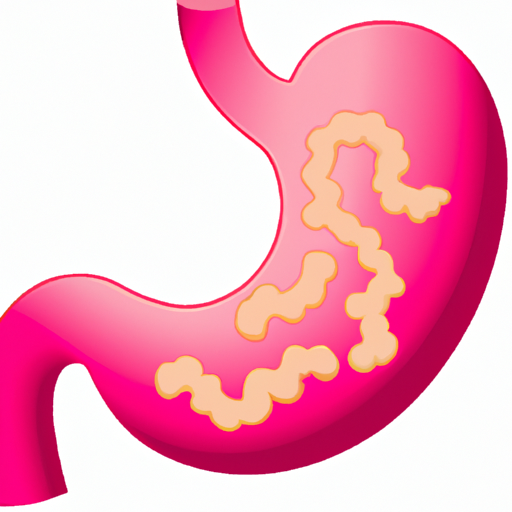
stomach

STOMACH BY AI

बुद्ध पूर्णिमा 2023 | Budh Purnima 2023

Keywodrs : बोधगया कँहा है | बुद्धपूर्णिमा कब | महत्व | शाक्य राज्य | राजा शुद्दोधन | माता महरानी  महामाया| सिद्धार्थ  गौतम 

Table of contents 

1.Introduction
2.Physiological Basis of Insomnia
3.Causes of Insomnia
4.Prevention Strategies for Insomnia
5.Conclusion
6.References 
Table of content


 बुद्ध पूर्णिमा गौतम बुद्ध के  जन्म दिवस के रूप में मनाया जाता है ,उसी दिन  बुद्ध को बोधित्व ज्ञान  प्राप्त हुआ था और उसी दिन  महापरिनिर्वाण भी हुआ था | 

                                                    बुद्ध पूर्णिमा कब मनाया जाता है

भारतवर्ष में कई तरह के त्योहार मनाए जाते हैं,बुद्धपूर्णिमा  का त्योहार उनमें बहुत ही महत्वपूर्ण त्योहार माना जाता है |  बुद्धपूर्णिमा का त्योहार हर वर्ष वैशाख माह के पूर्णिमा को मनाया जाता है | 

इस वर्ष २०२३ में बुद्धपूर्णिमा ५  मई  २०२३  को मनाया  जाना है | वैशाख माह के पूर्णिमा  का शुरुआत ४  मई २०२३  के रात ११ बजकर ३४ मिनट पर होगा और समापन ५ मई २०२३ को रात ११  बजकर 0३ मिनट पर होगा | 

इस वर्ष  गौतम बुद्धका २५८५ वीं जयंती मनाई जाएगी | इस वर्ष बुद्धपूर्णिमा खास है ,इस दिन स्वाति नछत्र रहेगा इसके बाद विसाखा नछत्र लगेगा | यह दोनों बेहद शुभ नछत्र माने जाते हैं | इस अवधि में किए गए कार्य सफल होंगे | इस दिन चंद्र ग्रहण भी लगेगा | चंद्र ग्रहण  ५ मई के रात ८ बजकर ४४ मिनट पर शुरु होगा और( ६ मई २०२३ )की आधी रात १ बज कर ०२ मिनट पर समाप्त होगा | 

इसे बुद्धजयंती, हनमतसूरी  वेसाक  भी कहते है| इस दिन गौतम बुद्धका जन्म  हुआ था | ५६३ ईसा  पूर्व वैशाख  माह के पूर्णिमा  को गौतम बुद्धका  जन्म, शाक्य राज्य के राजधानी कपिलवस्तु के नजदीक   लुंबिनी में  हुआ था | शाक्य राज्य पहले  भारतवर्ष का भाग था, परन्तु अब नेपाल का भाग है |इनके पिता शाक्य राज्य के राजा शुद्दोधन और माता महरानी  महामाया थीं |  इनके जन्म के लगभग एक सप्ताह बाद इनके माता जी का निधन हो जाने के बाद महरानी  महामाया की छोटी सगी बहन और राजा शुद्दोधन की दूसरी रानी महाप्रजापति गौतमी ने इनका पालन पोषण किया था | इनका नाम राजकुमार सिद्धार्थ  गौतम  था| गौतम गोत्र में जन्म होने के कारण वे गौतम कहलाए | सिद्धार्थ का अर्थ है जो सिद्धि प्राप्त के लिए जन्मा हो | नामकरण समारोह में विद्वानों ने   भबिष्यबाणि के थी की वे एक महान राजा या महान पवित्र आदमी बनेंगे|   बुद्धत्व ज्ञान प्राप्ति के बाद इनका नाम  गौतम बुद्ध हुआ |  

सोलह वर्ष के उम्र में इनका विवाह यशोधरा के साथ हुआ जिनसे इनको एक पुत्र राहुल हुआ |इनका मन वैराग्य के और चला गया और  २९ वर्ष के उम्र में अपनी पत्नी और नवजात पुत्र का छोड़ कर वे सत्य के खोज में वन के ओर चले गये | कई वर्षो तक सत्य के खोज में लगे रहे |  

कई वर्षों के कठोर तपस्या के बाद  बुद्धपूर्णिमा के  इसी दिन बिहार के बोधगया में एक पीपल वृछ के नीचे इन्हें बुद्धत्व ज्ञान प्राप्त हुआ | पीपल का वह  वृछ  बोधि वृछ के नाम से प्रसिद्ध हुआ जो आज भी बिहार के बोधगया में  है और पूजा  का एक महत्वपूर्ण  स्थल है | बुद्धत्व  ज्ञान प्राप्ति के बाद वे  गौतम बुद्ध कहलाने लगे | 

इसी दिन  ४८३ ई ०  पू ० वैशाख  माह के पूर्णिमा  को गौतम बुद्धका महापरिनिर्वाण कुशी नगर में  हुआ था |बुद्धपूर्णिमाके दिनकुशी नगर में महापरिनिर्वाण विहार पर एक माह का मेला लगता है | 

                                                     बुद्ध पूर्णिमा  कँहा  मनाया जाता है

विश्व में लगभग १९० करोड़ लोग  बौद्ध धर्म को मानते  है  | हिन्दू ,गौतम बुद्ध  को भगवान विष्णु के नौवें अवतार मानते हैं अतः हिंदूओ का भी यह महत्वपूर्ण त्योहार हो जाता है | 

बुद्धपूर्णिमा पुरे भारतवर्ष में  बहुत धूम धाम से  मनाया जाता है | इसके आलावा नेपाल ,चीन ,श्रीलंका ,वर्मा ,भूटान, जापान, सिंगापूर ,थाईलैंड , इंडोनेशिया इत्यादि देशों में भी बहुत धूम धाम से मनाया जाता है | विदेशों में रहने बाले भारतवासी अपने अपने देशों में धूम धाम से  मनाते है |  विश्व भर से लोग इस दिन बोधगया आते है और बोधि वृछ के पास प्राथना करते हैं | बोधि वृछ की पूजा करते हैं | बोधि वृछ  के पास दिप फूल सजाते हैं | चीवर दान करते हैं | बौद्ध धर्म ग्रंथों का पाठ करते हैं | बुद्ध की प्रतिमा पर फल फूल अर्पित करते हैं | 

कई जगह पे बुद्ध संग्रालय है, जिसमे बुध साहित्य का संग्रह है | कई जगह बुध की अस्थि दर्शन  के लिए रखा जाता है |  

बुद्धपूर्णिमा को भोजन वस्त्र  इत्यादि दान दिया जाता है | इस दिन किए गए दान पुण्य का बहुत महत्वपूर्ण होता है | 

इस दिन घर को फूलों से सजाया जाता है ,शाम को दीपक जला कर रौशन करते है |  

                                                      बुद्ध पूर्णिमा   का इतिहास  

५६३ ईसा  पूर्व वैशाख  माह के पूर्णिमा  को गौतम बुद्धका  जन्म, शाक्य राज्य के राजधानी कपिलवस्तु के नजदीक   लुंबिनी में  हुआ था | शाक्य राज्य पहले  भारतवर्ष का भाग था, परन्तु अब नेपाल का भाग है |इनके पिता शाक्य राज्य के राजा शुद्दोधन और माता महरानी  महामाया थीं |  इनके जनम के लगभग एक सप्ताह बाद इनके माता जी का निधन हो जाने के बाद महरानी  महामाया की छोटी सगी बहन और राजा शुद्दोधन की दूसरी रानी महाप्रजापति गौतमी ने इनका पालन पोषण किया था | इनका नाम राजकुमार सिद्धार्थ  गौतम  था| गौतम गोत्र में जन्म होने के कारण वे गौतम कहलाए | सिद्धार्थ का अर्थ है जो सिद्धि प्राप्त के लिए जन्मा हो | नामकरण समारोह में विद्वानों ने   भबिष्यबाणि के थी की वे एक महान राजा या महान पवित्र आदमी बनेंगे | बुद्धत्व ज्ञान प्राप्ति के बाद इनका नाम  गौतम बुद्ध हुआ |  

सोलह वर्ष के उम्र में इनका विवाह यशोधरा के साथ हुआ जिनसे इनको एक पुत्र राहुल हुआ | इनका दाम्पत्य जीवन सुखमय  था | बाद में  इनका मन वैराग्य के और चला गया और  २९ वर्ष के उम्र में अपनी पत्नी और नवजात पुत्र का छोड़ कर वे सत्य के खोज में वन के ओर चले गये | कई वर्षो तक सत्य के खोज में लगे रहे |  कई वर्षों के कठोर तपस्या के बाद  बुद्धपूर्णिमा के  इसी दिन बिहार के बोधगया में एक पीपल वृछ के नीचे इन्हें बुद्धत्व ज्ञान प्राप्त हुआ | पीपल का वह  वृछ  बोधि वृछ के नाम से प्रसिद्ध हुआ जो आज भी बिहार के बोधगया में  है और पूजा  का एक महत्वपूर्ण  स्थल है | बुद्धत्व  ज्ञान प्राप्ति के बाद वे  गौतम बुद्ध कहलाने लगे | 

 बोधगया ,बौद्ध अनुआई एवं  हिन्दुओ का एक बहुत ही पवित्र  स्थान  है |बोधगया में ही गौतम बुध को ज्ञान प्रताप हुआ और बुद्धत्व का प्रचार हुआ  | बोधगया के   कुशी नगर में  गौतम बुद्धका महापरिनिर्वाण हुआ | अपना पूरा जीवन जनता के  लिय  अर्पित कर दिया | 

                                            बुद्ध पूर्णिमा  के पौराणिक कथा

पौराणिक मान्यता है कि  त्रेता युग में भगवान  विष्णु ने मृत्यु लोक में  गौतम बुद्ध  के रूप में धरती पर ज्ञान एवं सत्य के प्रचार करने के लिए नौवमा  अवतार लिया  था |  भगवान बुद्ध  ने धरती पर   न्याय, सत्य , सदभावना पर आधारित साम्राज्य की स्थापना में अपना योगदान दिया  |  

भगवान  विष्णु के अन्य अवतार के विषय में यहां पढ़ें |  

                                                       बुद्धपूर्णिमा  का महत्व

 बुद्धके ऊपर कई ग्रन्थ अनेकों भाषा  में लिखे गए हैं | बुद्ध साहित्य ,बुद्ध के उपदेश  बहुत ही पवित्र ग्रन्थ है | बुद्ध भारतवर्ष  एवं अन्य कई देशों के  जन- जन, कन -कन  में रचे बसें हैं | हर वर्ष बुद्ध पूर्णिमा  में   बुद्ध पर आधारित व्याख्यान  का आयोजन कई जगहों में  किया जाता है जिससे बुद्ध के विचार का  ज्ञान प्राप्त होता है|  |भगवान  बुद्ध  के बिना भारतवर्ष की कल्पना नहीं की जा सकती है | बुद्ध  हर नागरिक  के लिए  एक आदर्श हैं | 

#tags:  बोधगया कँहा है # बुद्धपूर्णिमा कब # महत्व # शाक्य राज्य# राजा शुद्दोधन # माता महरानी  महामाया# सिद्धार्थ  गौतम

इन्हें भी देखें 

https://knowledge-festival.blogspot.com/2022/05/janki-navami.html

https://knowledge-festival.blogspot.com/2022/04/2022-hanuman-janmotsav-2022.html

आंतरिक कड़ी Internal Links :https://knowledge-festival.blogspot.com/2022/04/ram-navmi-2022-date-hindi.html

बाहरी कड़ी :  https:// hi .m .wikipedia.org  

                                             आप सभी  को  बुद्धपूर्णिमा कि हार्दिक बधाई 

गौतम बुद्ध

अस्वीकरण:  इस आलेख में व्यक्त किए गए विचार विभिन्न लेखों]संचार माध्यमों से लिए गए है और सभी सूचनाएँ मूल रुप से प्रस्तुत की गईं हैSaA व्यक्त किए गए विचार लेखक के निजी विचार नहीं हैं तथा इसके लिए किसी भी प्रकार से उत्तरदायी नहीं है|

जानकी नवमी 2023 कब है |Janki Navami 2023

                                                         Janki maa Created with AI

इस लेख में हम जानकी जयंती के विषय में बहुत कुछ जानेंगे | जानकी जयंती  कब मनाया जाता है,इसका महत्व एवं बहुत कुछ | आने वाले पीढ़ी को अपने उत्सवों के विषय में जानकारी देना इस लेख का उद्देश्य है | 

Table of contents

1. जानकी नवमी कब मनाया जाता है

2.जानकी नवमी  कँहा  मनाया जाता है

3.जानकी नवमी  का इतिहास

4.जानकी नवमी कई नाम

5.जानकी नवमी  के पौराणिक कथा

6.जानकीनवमी    का महत्व 

                                                    जानकी नवमी  कब मनाया जाता है

भारतवर्ष में कई तरह के त्योहार मनाए जाते हैं, जानकी नवमी  का पावन  त्योहार उनमें बहुत ही महत्वपूर्ण त्योहार माना जाता है |  जानकी नवमी का त्योहार हर वर्ष वैशाख  माह के शुक्ल  पक्छ के नवमीं दिवस को मनाया जाता है | इस वर्ष 2023 में जानकी नवमी 29 अप्रैल  April  को मनाया  जाना है | इसे सीता नवमी भी कहते है| इस दिन ही माँ सीता का धरती पर अवतरण हुआ था | 

|                                               

                                           जानकी नवमी  कँहा  मनाया जाता है

        जानकी नवमी पुरे भारतवर्ष में  मनाया जाता है | इसके आलावा नेपाल वर्मा भूटान इत्यादि देशों में भी बहुत धूम धाम से मनाया जाता है | विदेशों में रहने बाले भारतवासी अपने देशों में धूम धाम से  जानकी नवमी मनाते है | हालाँकि रामनवमी के जैसा धूम धाम नहीं रहता है  फिर भी बहुत धूम धाम से  जानकी नवमी मनाते है | 

जानकी नवमी में सुबह स्नान ध्यान कर माँ सीता के साथ साथ श्री राम की पूजा अर्चना की जाती है | माँ सीता के बिना श्री राम अधूरे हैं और श्री राम के बिना माँ सीता की कल्पना नहीं की जा सकती है ,इस लिए सीता -राम  कहा जाता है | 

                                                जानकी नवमी  का इतिहास  

सीता माता का जन्म मिथला में हुआ था | माँ सीता मिथला नरेश राजा जनक की  सबसे बड़ी पुत्री थीं | इनकी शादी  स्वयम्बर में शिव धानुष को तोड़ने के बाद अयोध्या के राजा दशरथ के बड़े पुत्र के साथ संपन्न हुआ |इसी के साथ राजा जनक के पुत्री उर्मिला का विवाह लछमण से ,मांडवी का विवाह भारत से एवं श्रुतिकृति का विवाह शत्रुघन से संपन्न हुआ | विवाह के बाद सभी अयोध्या लौट आए | भगवान श्री राम  और माता सीता का दाम्पत्य जीवन सुखमय  था| 

 पौराणिक मान्यता के अनुसार राजा जनक और रानी सुनयना को कोई संतान नहीं थी इससे वे बहुत दुखी रहते थे| वे एक पवित्र आत्मा थे और धार्मिक कामों में लगे रहते थे |एक बार मिथला में बहुत दिनों से बारिश नही हुई जिसके कारण वहां भयंकर अकाल पड़ा |  जिससे उनके प्रजा बहुत परेशान हो गई| प्रजा के दुख देखकर वे बहुत दुखी हो विद्वानों ,ऋषि मुनियोंसे सलाह किया| एवं उनके  सलाह पे राजा जनक ने खेतों में हल जोतना शुरू किया| एक दिन खेतों में हल जोतते समय खेत में हल अटक गया| जब बहुत कोशिशों के बाद भी हल नही निकला तो,उसके आस पास के माटी को खुदाई कर हटाया गया | तो एक सूंदर से बक्सा में हल का नोक फस गया था | उस बक्सा को बाहर निकला गया |

बक्सा खोलकर देखा गया तो राजा रानी बहुत खुश हुए क्योंकि उसमें एक बच्ची थी | राजा जनक और रानी सुनयना ने इस  बच्ची को भगवान का तोहफा समझ  स्वीकार किया | हल की नोक को सीता कहते हैं जिससे इनका नाम सीता हुआ | इन्हें जानकी ,जनकसुता ,जनकात्मजा ,भूमिपुत्री,भूसुता और मैथिली भी कहा  जाता है |  

उस समय मिथला में भारी बारिश हुई जिसके बाद अकाल ख़तम हो गया | 

 रामयण  हिन्दुओ का एक बहुत ही पवित्र ग्रन्थ है | रामयण के अनुसार भगवान श्री राम  को पिता के आदेश से चौदह साल का वनवास हुआ , माँ सीता भी अपनी  परवाह नहीं करते हुए अपने पति श्री राम  के साथ वन  गई |  सभी सुख से ज्यादा अपने पति के सुख दुःख का ख्याल रखा | अपना पूरा जीवन श्री राम के  लिय  अर्पित कर दिया था | 

रामयण  हिन्दुओ का एक बहुत ही पवित्र ग्रन्थ है | जिसमे माँ सीता के अपहरण का जिक्र है | रावण के द्वारा माँ सीता के अपहरण कर लिया गया ,जो असुरो के नाश का कारण  बना | माँ सीता के अपहरण से श्री राम बहुत दुखी हुए और असुरों  के साथ युद्ध में असुरों का  नाश किया | 

पौराणिक मान्यता है कि  त्रेता युग में भगवान  विष्णु ने मृत्यु लोक में  श्री राम के रूप में धरती पर असुरों के अत्याचार का नाश करने के लिए सातवाँ अवतार लिया था |  भगवान श्री राम ने धरती पर असुरो का नाश कर उनके अत्याचार  को खत्म कर के  न्याय, सत्य , सदभावना पर आधारित साम्राज्य की स्थापना की |  यह साम्राज्य  राम राज के नाम से जाना जाने लगा |ऐसे साम्राज्य की  स्थापना हर सरकार करना चाहती है |    https://learn-and-fly.co.in/2023/03/16/%e0%a4%ad%e0%a4%97%e0%a4%b5%e0%a4%be%e0%a4%a8-%e0%a4%b5%e0%a4%bf%e0%a4%b7%e0%a5%8d%e0%a4%a3%e0%a5%81-%e0%a4%95%e0%a5%87/

भगवान  विष्णु के अन्य अवतार के विषय में यहां पढ़ें | 

https://learn-and-fly.co.in/2023/03/16/%e0%a4%ad%e0%a4%97%e0%a4%b5%e0%a4%be%e0%a4%a8-%e0%a4%b5%e0%a4%bf%e0%a4%b7%e0%a5%8d%e0%a4%a3%e0%a5%81-%e0%a4%95%e0%a5%87/

                                             जानकी नवमी या  सीता नवमी   का महत्व 

माँ सीता एवं श्री राम  के ऊपर कई ग्रन्थ अनेकों भाषा  में लिखे गए हैं | जिसमें रामयण  हिन्दुओ का एक बहुत ही पवित्र ग्रन्थ है | सीता -राम भारतवर्ष  के  जन- जन, कन -कन  में रचे बसें हैं | हर वर्ष रामनवमी में  रामयण  पर आधारित रामलीला का आयोजन कई गावों में  किया जाता है जिससे मनोरंजन के साथ साथ ज्ञान भी प्राप्त होता है | सीता -राम  के बिना भारतवर्ष की कल्पना नहीं की जा सकती है | माँ सीता हर नारी के लिया एक आदर्श हैं | 

अस्वीकरण:  इस आलेख में व्यक्त किए गए विचार विभिन्न लेखों]संचार माध्यमों से लिए गए है और सभी सूचनाएँ मूल रुप से प्रस्तुत की गईं है|  व्यक्त किए गए विचार लेखक के निजी विचार नहीं हैं तथा इसके लिए किसी भी प्रकार से उत्तरदायी नहीं है|किसी भी जानकारी या मान्यता को इस्तेमाल करने से पूर्व सम्बंधित विशेषज्ञ की राय प्राप्त कर लें | 

                            जानकी जयंती की शुभकामनायें | 

                            आईए  जानकी जयंती की पूजा अर्चना करें 

                            जय  माँ जानकी ,जय जय माँ जानकी |

आंतरिक कड़ी   :https://knowledge-festival.blogspot.com/2022/04/ram-navmi-2022-date-hindi.html

https://knowledge-festival.blogspot.com/2022/05/janki-navami.html

How to avoid obesity

This article discusses different aspects of obesity and how to diagnose obesity. Here, learn about the tests, prevention of obesity, and more.

Keywords: Leptin| Ghrelin| Obesity survival paradox | A calorie is a calorie model, satiety center| feeding center| Arcuate nucleus

Table of content

1.Introduction
2.Physiological Basis of Insomnia
3.Causes of Insomnia
4.Prevention Strategies for Insomnia
5.Conclusion
6.References 
Table of content

Definition:

Obesity is abnormal and excessive accumulation of fat in the body. The word obesity originates from the Latin Obesitas’meaning fat, stout or plump. Obesity was known in the early historical period. 

The great surgeon of India, Sushruta, had reported about obesity. He related it to heart disease and mentioned that physical activity would cure it.

Obesity is a significant risk to health and increasing globally in developing countries. According to American Medical Association, and American Heart Association, obesity is a chronic disease. Obesity reduces life expectancy on average by 6-7 years.

Incidence: It is more common in females and is prevalent in adults as well as in children. Globally 650 million were obese, which is rising rapidly.

Diagnosis of obesity is based on the Body Mass Index (BMI)

and further evaluated in terms of ‘Waist hip ratio,’ ‘Waist to height ratio,’ and total cardiovascular risk factors.

Category                     BMI Kg/meter square

Underweight                    >̲18.5

Normal weight                   19.5–24.9

Overweight                        25—29.9

Obese class I                      30-34.5

Obese class II                     35-39.9

Obese class III                     >40

Some countries use lower values. For example, in Japan, BMI >25 is considered obese, while in China, it is >28.

Causes: Obesity is due to 1. Persistent positive energy balance, and

2. Body weight set point is raised.

Obesity is related to various conditions and syndromes, especially with Diabetic type -2, osteoarthritis, cardiovascular diseases, hypertension, obstructive sleep apnea, asthma, some cancers, etc.

It is associated with rare genetic syndromes like Prader-Willi, Bardet-Bedi, Crohn’s, and MOMO.

Individual causes are -diet habits, physical activity sedentary lifestyle.

Eating disorders like ‘binge eating syndrome ‘and night eating syndrome ‘are also responsible for obesity.

Socioeconomic factors,

Environmental factors

Endocrinal factors: Hypothyroidism, Cushing syndrome, Growth hormone deficiency, etc.

Genetic factors: Alteration is the various genes controlling appetite and metabolism predispose to obesity. Fat mass and obesity-associated genes (FTO gene ) are detected. There are many hypotheses, but none is widely accepted.

1. Thrifty gene hypothesis,

2. Drifty gene hypothesis

3. Thrifty phenotype hypothesis

Obesity shows inheritance. If both parents are obese, 80% of children will be obese. When both parents are normal, children are only 10% likely to be obese.

Carbohydrate insulin model –High glycemic load causes hormonal changes that promote caloric deposits in adipose tissue.

A calorie model-excess food intake and lack of physical activity.

Drugs; Insulin, sulfonylurea, steroids, phenytoin contraceptives, and many more.

Malnutrition in early life causes endocrinal changes, which may promote obesity in a later stage.

Obesity increases the risk of clinical depression, and depression increases the chance of developing obesity.

Gut flora also plays a vital role in the development of obesity.

The complication of obesity:

Directly-Increase in fat mass causes osteoarthritis, non-alcoholic fatty liver, and alters body response to Insulin. Cardiovascular disease, hypertension, lung diseases, mental disorders, gout, low back pain, multiple sclerosis, Carpel tunnel syndrome, etc.

Congenital disabilities, intrauterine fetal death, infertility, and pregnancy and delivery complications.

In certain conditions, obesity is helpful –positive effect, e.g., in heart failure or hemodialysis. This is the ‘Obesity survival paradox.’

Pathophysiology: Leptin, Ghrelin, and other appetite-related hormones act on the hypothalamus. Many pathways describe the development of obesity. However, the melanocortin pathway is widely accepted.

Arcuate nucleus influences 1. The lateral hypothalamus has the feeding center, and 2. The ventromedial nucleus has a satiety center.

One group of neurons in the arcuate nucleus secrete (a) Neuropeptide Y (NPY) and (b)Agouti-related peptide (AgRP). They stimulate the Lateral hypothalamus and inhibit the ventromedial nucleus.

The other group of neurons in the arcuate nucleus secrete (a) Preopiomelanocortin (PoMC) and (b) Cocaine and Amphetamine regulated transcript (CART). They inhibit the Lateral hypothalamus and

stimulate ventromedial nucleus.

Leptin stimulates the second group of the nucleus. Conversely, it inhibits the first group of the nucleus, so leptin deficiency will cause less inhibition to the ist group and less stimulation to another group of the nucleus, increasing overfeeding and obesity.

Prevention:-Change diet, reduce high fat and carbohydrate diet, and increase dietary fiber.

                    Regular exercise.

This article will be helpful for you.

Like to meet again? Sign up to get an email when I publish.

Question? Email me bkp337390@gmail.com

 Follow me on Instagram @ bijaykprasad

                                                @bkpdphysiology

  Follow us on Twitter@ bijaykrishnapr3

                                  @BijayPr60250287

And don’t forget to follow me on learn and fly.co.in

I am more enthusiastic, and you can get new insights from my articles later.

Thank you.

Learn More :

1. About us

2. Contact us

3. Disclaimer

4. Privacy Policy

5. About the author

Please submit any comments about this article. The team will work hard to evaluate the statement and make appropriate corrections and improvements.

Disclaimer: All possible measures have been taken to ensure the accuracy and reliability of the information; however, ‘totalphysiology.com’ does not take any liability for the same using any information provided by the website solely to the viewers. ‘The information is provided as an educational service and public awareness. It is not medical advice. 

In case of any medical health issue, we advise you to seek the advice of a qualified doctor and follow his instructions. The viewers. ‘The information is provided as an educational service and public awareness. It is not medical advice.

  1. Obesity is abnormal and excessive accumulation of fat in the body. The word obesity originates from the Latin Obesitas’meaning fat, stout or plump. Obesity was known in the early historical period.