
Human anatomy is a branch of science that explains the structure of the human body. In human anatomy, we study the macroscopic and microscopic structures of the human body, how it is formed, and how these structures work synergistically.
Category Archives: Medical topics
Normal Range and Factors Affecting Cardiac Output

Cardiac output is the blood volume pumped from each ventricle per minute, expressed in liters /per minute .Cardiac output is an essential parameter in hemodynamics, the study of blood flow. Its importance is globally accepted.
Understanding Human Physiology: Past, Present, and Future
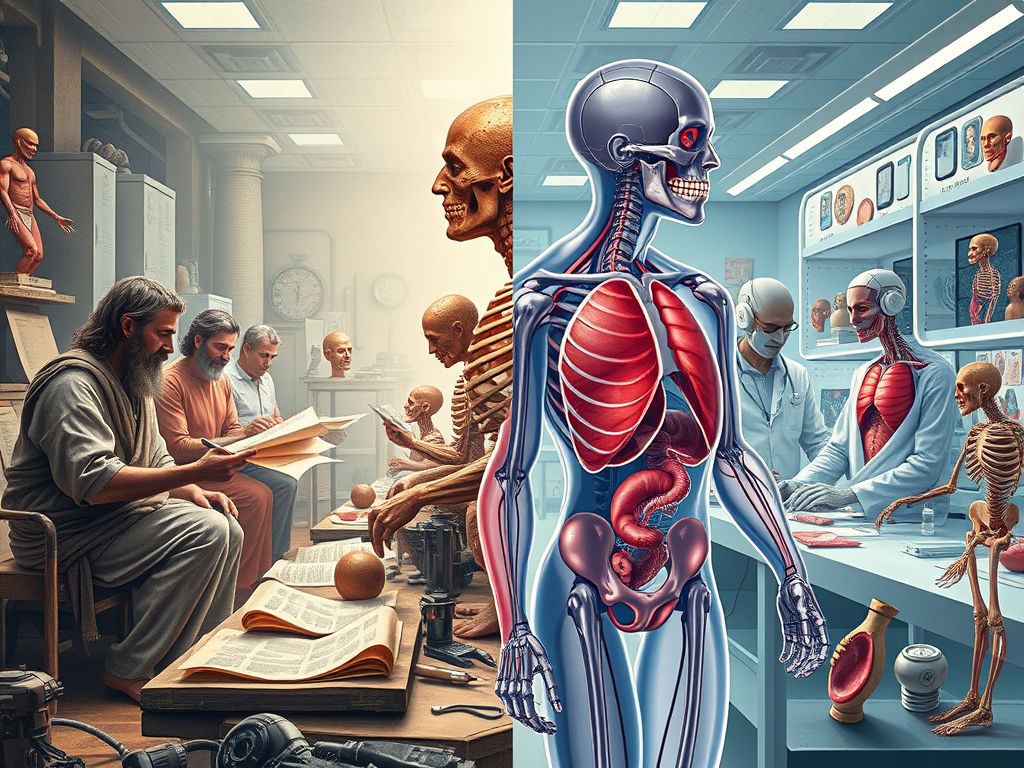
The study of human physiology has been ongoing for time immemorial. The first authentic available record is found in the Sushruta Samhita and Charak Samhita, dating back to around 600 BCE. They proposed that vata, pitta, and kapha regulate the body’s functions.
Bile: Formation, Functions, and Health Implications

Bile is a physiological fluid that is dark green to yellowish-brown in color and produced by the liver.
In humans, bile is produced continuously by the liver and drained by bile canaliculi to the right and left hepatic ducts. The right and left hepatic ducts join to form the common hepatic duct. The cystic duct from the gall bladder joins the common hepatic duct and forms the common bile duct.
Understanding Calcium: Benefits and Functions in the Body
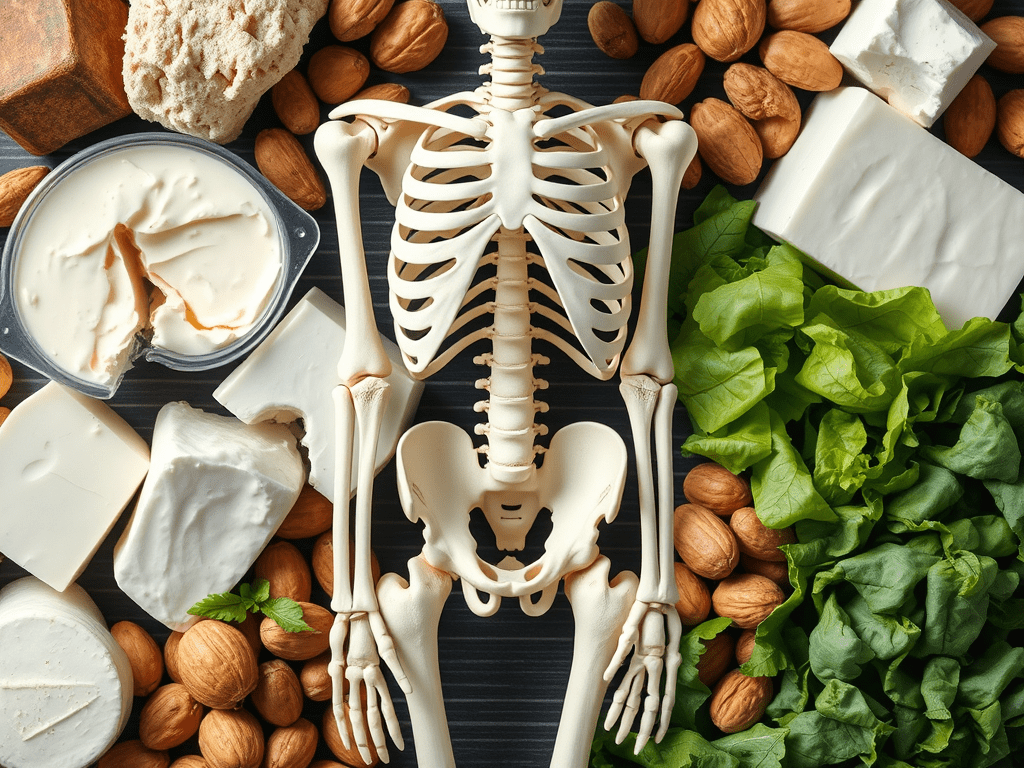
Calcium is the most abundant mineral in the human body. The amount of total body calcium ranges from 1100 to 1200 g, out of which 99% is present in the skeleton, and the remaining 1% is in the tissue and body fluids.
Understanding the Gut-Brain Axis: A Comprehensive Guide
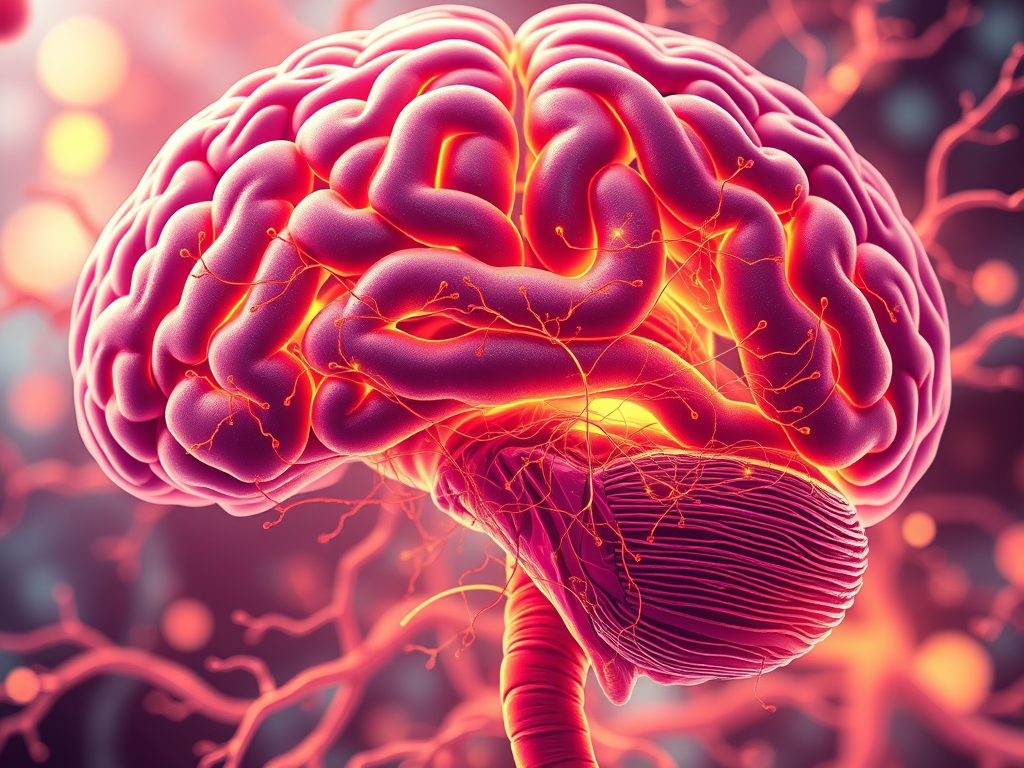
The gut-brain axis is the biochemical signaling between the GIT and the CNS. This complex communication system ensures the proper maintenance of gastrointestinal homeostasis and has multiple effects on motivation and higher cognitive functions.
Understanding Intercellular Communication Mechanisms
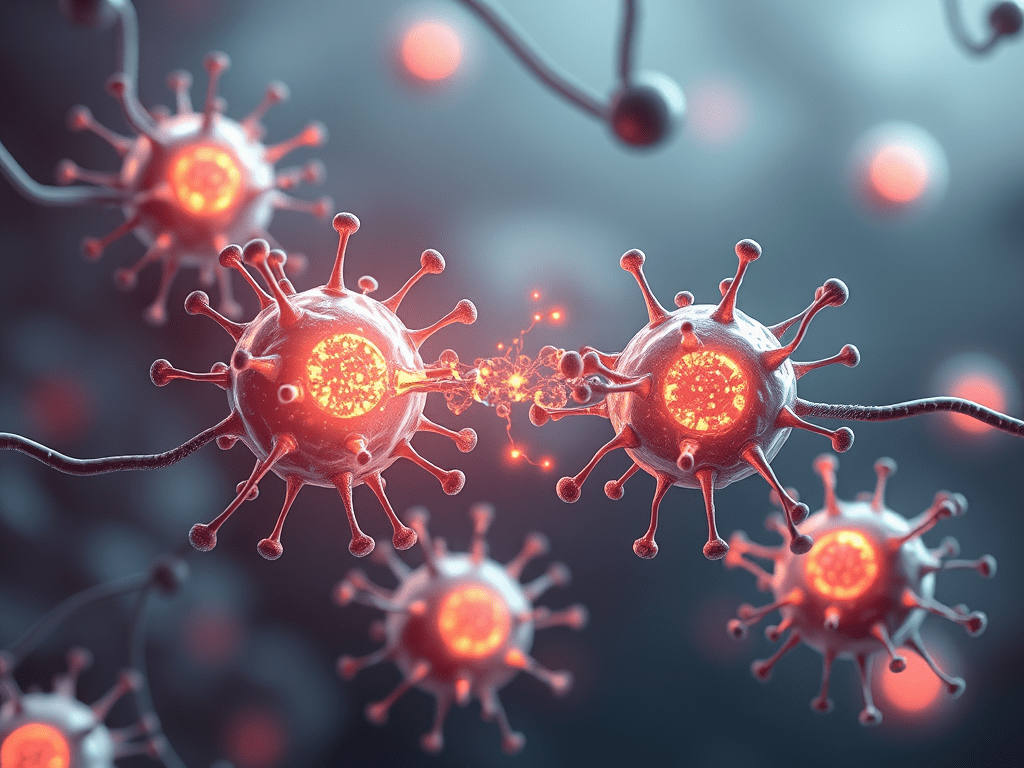
Intercellular communication refers to various methods that cells use to communicate with each other directly or indirectly through the extracellular fluid. This communication is complex and involves signaling pathways within a cell, enabling cells to respond to internal or external stimuli.
Gastrin: A Gastrointestinal Hormone

Gastrointestinal hormones are biologically active polypeptides secreted from the endocrine cells of the GIT mucosa. These hormones enter the portal circulation, then flow into the systemic circulation, and finally reach the target tissue. Some gastrointestinal hormones also function as paracrine and autocrine hormones to regulate gastrointestinal (GI) functions. They are chemical messengers.
12 Simple Ways to Improve Your Lung Capacity

Vital capacity (VC) is the air volume that can be expired by forceful effort, following maximal deepest possible inspiration.
The subject takes a deep breath of maximal inspiration and then breathes out forcefully. The volume of air expelled indicates vital capacity.
The total Tidal volume (TV), Inspiratory reserve(IRV), and Expiratory reserve volumes (ERV) make Vital capacity.
The Complement System: Role in Immunity

The complement system is crucial in the body’s defense against invading pathogens and tumor cells. Its components enhance the antibacterial activities of antibodies.
 learn-and-fly.co.in