Exploring Tongue Health: Common Conditions Explained

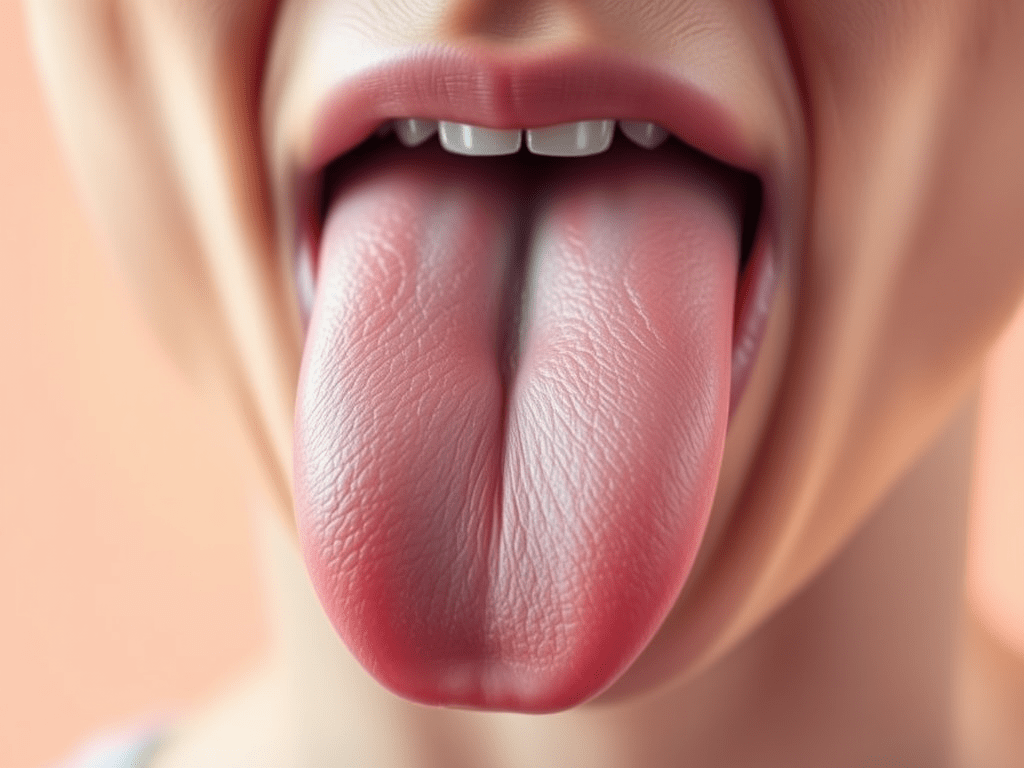
The tongue is a highly vascular voluntary organ present in the mouth. The tongue is a voluntary structure composed of voluntary skeletal muscle.The root of the tongue is present in the posterior part of the oral cavity and consists of one-third of the tongue.

The body forms about the anterior two-thirds of the tongue
Neuroendocrine Reflex Explained: Homeostasis and Examples

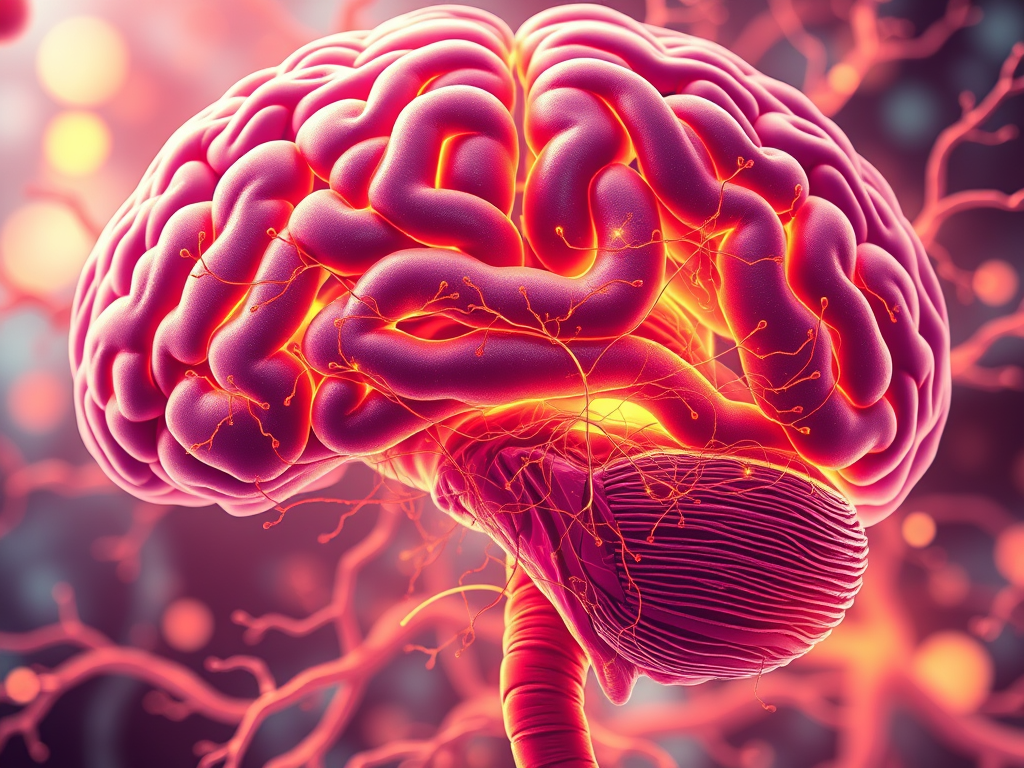
The neuroendocrine reflex integrates two systems of the body that are responsible for maintaining homeostasis. The two systems are the nervous and endocrine systems. They affect each other through both negative and positive feedback mechanisms to regulate the body’s overall functions. The internal and external stimuli stimulate them.

Understanding Human Physiology: Past, Present, and Future

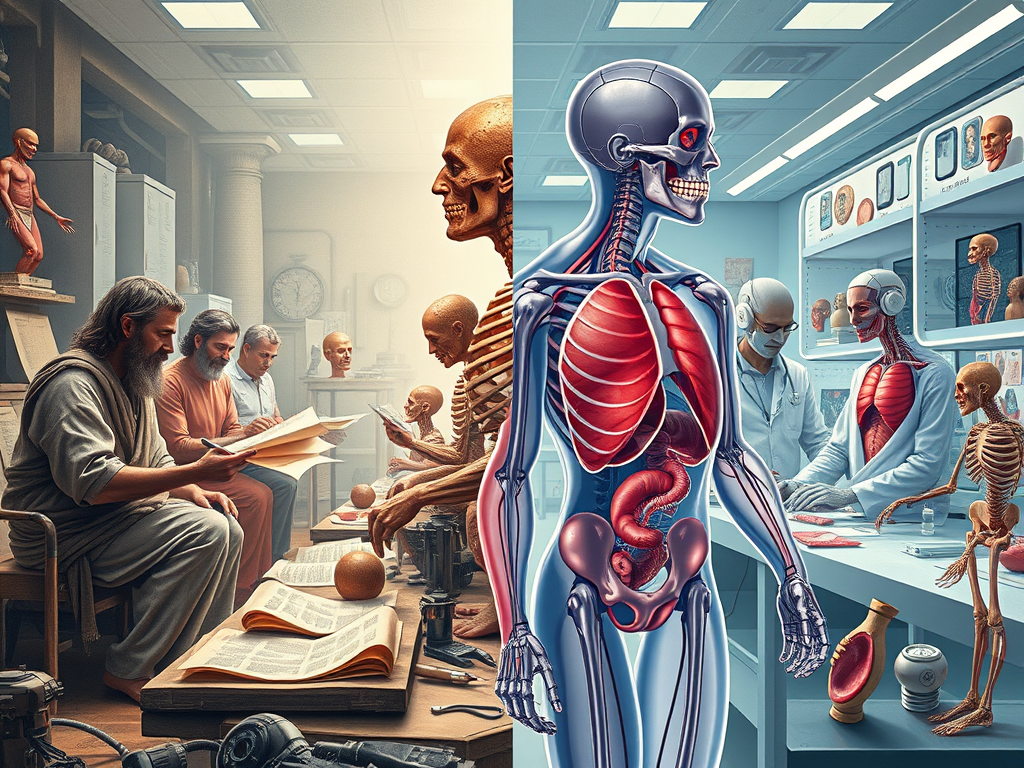
The study of human physiology has been ongoing for time immemorial. The first authentic available record is found in the Sushruta Samhita and Charak Samhita, dating back to around 600 BCE. They proposed that vata, pitta, and kapha regulate the body’s functions.

Bile: Formation, Functions, and Health Implications

Bile is a physiological fluid that is dark green to yellowish-brown in color and produced by the liver.

In humans, bile is produced continuously by the liver and drained by bile canaliculi to the right and left hepatic ducts. The right and left hepatic ducts join to form the common hepatic duct. The cystic duct from the gall bladder joins the common hepatic duct and forms the common bile duct.