Bile: Formation, Functions, and Health Implications

Bile is a physiological fluid that is dark green to yellowish-brown in color and produced by the liver.

In humans, bile is produced continuously by the liver and drained by bile canaliculi to the right and left hepatic ducts. The right and left hepatic ducts join to form the common hepatic duct. The cystic duct from the gall bladder joins the common hepatic duct and forms the common bile duct.
Understanding Intercellular Communication Mechanisms

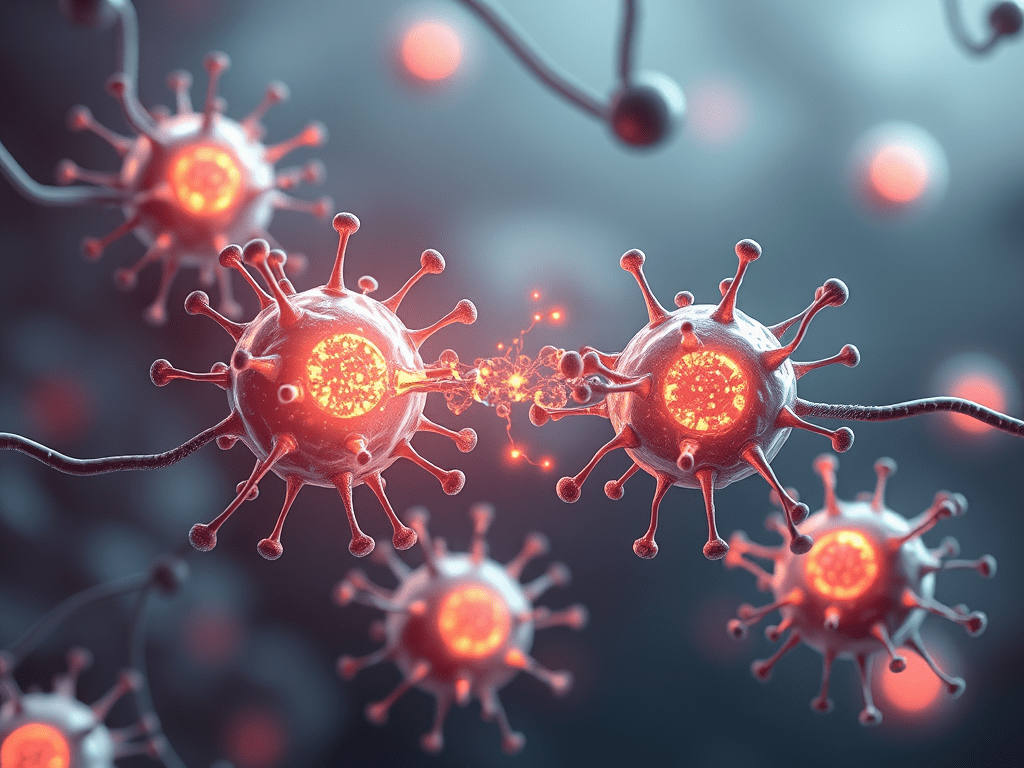
Intercellular communication refers to various methods that cells use to communicate with each other directly or indirectly through the extracellular fluid. This communication is complex and involves signaling pathways within a cell, enabling cells to respond to internal or external stimuli.

Gastrin: A Gastrointestinal Hormone

Gastrointestinal hormones are biologically active polypeptides secreted from the endocrine cells of the GIT mucosa. These hormones enter the portal circulation, then flow into the systemic circulation, and finally reach the target tissue. Some gastrointestinal hormones also function as paracrine and autocrine hormones to regulate gastrointestinal (GI) functions. They are chemical messengers. 

12 Simple Ways to Improve Your Lung Capacity

Vital capacity (VC) is the air volume that can be expired by forceful effort, following maximal deepest possible inspiration.

The subject takes a deep breath of maximal inspiration and then breathes out forcefully. The volume of air expelled indicates vital capacity.

The total Tidal volume (TV), Inspiratory reserve(IRV), and Expiratory reserve volumes (ERV) make Vital capacity.