Acute kidney injury |Acute kidney failure

This article discusses Acute kidney injury and how to diagnose the types and effects of AKI. Here, learn about recent updates on Acute kidney injury and more.

Table of contents

1.Definition
2.Incidence
3.Classification
4.Pathophysiology
5.Staging
6.Causes
7.Signs and symptoms
8.Diagnosis
9.Complication
10.Prognosis

Keywords:Acute kidney injury|Definition| causes| stages| Diagnosis| clinical|Prognosis|Complication

Definition

Acute renal failure, known as acute kidney injury, is a syndrome. The term AKI was used in 1918 by William NacNider, but from 2004, it has become a widely accepted term.

AKI (acute kidney injury ): In Acute kidney injury, sudden (within hours to seven days) reduction in kidney function develops, characterized by decreased urine output and raised serum creatinine level.

AKI is described as a clinical syndrome due to a sudden (within hours to a maximum of seven days)decrease in renal function to the point that waste products accumulate in the body. AKI causes structural damage and loss of function.

Although urine output depends on fluid intake and other processes of water loss-sweating, perspiration, etc. average volume is 1500 ml.

The obligatory urine volume is 500 ml/day, meaning at least 500 ml/day of urine must pass to clear waste products from our bodies.

Normal creatinine level depends on age and sex

Adult male – 0.75 to 1.35 mg/dl

Adult females -0.6 to 1.1 mg/dl have lower creatinine levels than males.

Creatinine is the metabolic waste product of creatine. Creatinine is excreted from the body exclusively by the kidney. If kidney function is abnormal, creatinine level rises in the blood, and less creatinine is excreted in the urine.

Recent definition: Recently, for diagnosis of AKI, any one of the following must be present:

1.Urine volume less than 0.5ml/kg/h for six hours.

2. Serum creatinine increases by >0.3 mg/dl within 48 hours.

3. Serum creatinine increases to >1.5times of the baseline. The serum creatinine level present before seven days is taken as the baseline, but this baseline value is usually unknown.

Acute decrease of GFR, a critical reduction of urine output, and an acute rise of serum creatinine. Recently several biomarkers have been proposed to diagnose AKI but have not been accepted widely.

Recent evidence suggests that even relatively mild AKI functions manifested by small changes in serum creatinine or urine output predict serious health problems.

Incidence

Incidence and causes of AKI differ in developing and developed countries.

In developed countries, AKI occurs in hospitalized persons.

Infectious diseases are the leading cause in developing countries.

AKI is common in the elderly>65 years.

Classification

Broadly causes can be classified into three groups:

1. Prerenal-when blood flow to the kidney is decreased.

2. Renal -when there is damage in the kidney itself. Only renal AKI is an actual kidney disease.

3. Postrenal-when urine outflow is obstructed.

This is a traditional classification. Prerenal and postrenal, if prolonged, will cause renal damage.

Prompt treatment of prerenal and postrenal causes prompt recovery of renal function, but late correction can lead to progressive renal damage.

Pathophysiology

The pathophysiology of AKI is multifactorial. The underlying cause is ischemia in the kidney tissue due to multiple factors. When oxygen supply and metabolic demands become inadequate despite physiological adaptation, cellular damage occurs, leading to kidney dysfunction.

Under basal conditions, the kidney receives 300-400 ml of blood/100gm/minute. This renal blood flow is very high compared to the heart and brain.

The kidney is highly susceptible to ischemia. In ischemic conditions, epithelial cells cannot maintain intracellular ATP for basic processes. This ATP depletion causes cell injury -necrosis. All segments of the nephron are vulnerable, but proximal tubular cells are commonly injured.

The function of the nephron is to filter, concentrate, and reabsorption of many substances from the tubular lumen. The concentration of metabolic waste substances may reach toxic levels if a kidney is not functioning normally.

Staging or severity criteria:

RIFLE= (an acronym of the Risk-Injury-Failure-loss-end stage kidney disease).

Severity criteria

  1. Risk: serum creatinine rises by1.5 fold .and GFR reduces by 25%.
  2. Injury: serum creatinine increases by 2fold, .and GFR reduces by 50%.
  3. Failure: serum creatinine rises threefold, and GFR reduces by 75%.

Outcome criteria:

  1. Loss: If complete loss of renal function persists for more than one month.
  2. End-stage kidney disease stage four lasts for more than three months.

Etiology =Causes

AKI is a syndrome and has mixed etiology sepsis, ischemia, etc. Sepsis causes AKI due to many facts.

Prerenal-when blood flow to the kidney is decreased includes:

1. Dehydration -diarrhea, vomiting, heat exhaustion, heat stroke.

2. Excessive bleeding

3.Shock-cardiogenic,neurogenic

4. Iatrogenic -some drug-like NSAIDs

5. Advance cirrhosis.

6. Heart failure -hepatorenal syndrome.

7. Cardiorenal syndrome.

8. Congenital renal artery stenosis.

9. Rarely renal vein thrombosis.

Renal -when there is damage in the kidney itself that includes

1. Glomerulonephritis

2. Acute tubular necrosis (ATN)

3.Iatrogenic-some antibiotics,chemotherapeutic agents,contrast dye.

4. Amyloidosis

5. Lupus nephritis.

6. Diabetic nephropathy

7. Tumor lysis syndrome.

Postrenal-when urine outflow is obstructed due to

1. Stones in the kidney, ureter, urinary bladder, and urethera,

2. Prostatic enlargements-benign or malignant.

3. Postrenal-when urine outflow is obstructed

4. Stricture (constriction) of the urethra.

Signs and symptoms:

Signs and symptoms are guided by the underlying factor and result from disturbances in kidney function.

In the case of obstructive nephropathy, the kidney and urinary bladder become palpable. In case of excessive blood loss, there is the mark of injury.

Signs and symptoms are prominent in cases of dehydration-thirst, dry tongue loss of skin luster.

Fluid balance is affected, leading to an alteration in blood pressure.

Urea and other nitrogen-containing substances accumulate in the blood in AKI, causing multiple symptoms-fatigue, nausea, weakness, and neurological disturbances.

Potassium level increases in AKI, which may lead to abnormality of heart rate-arrhythmia.

Pain in the renal angle due to kidney inflammation or blockage of microvessels in the kidney and tubular necrosis.

Diagnosis

For diagnosis of AKI, any one of the following must be present:

1.Urine volume less than 0.5ml/kg/h for six hours.

2. Serum creatinine increases by >0.3 mg/dl within 48 hours.

3. Serum creatinine increases to >1.5times of the baseline. The serum creatinine level present before seven days is taken as the baseline, but this baseline value is usually unknown.

There is an acute decrease in GFR, a sharp reduction in urine output, and an acute rise in serum creatinine. Recently several biomarkers have been proposed to diagnose AKI but have not been accepted widely.

1. History, signs, and symptoms.

2. Serum creatinine and electrolytes estimation.

3. Urine examination microscopy.

4. Volume of urine

5. Ultrasound of kidney

6. Urography

7. CT scan

8. MRI

9. Intra Venous contrast is contraindicated in AKI.

When AKI is diagnosed, further tests are performed to recognize the underline cause.

Complications:

1. Acidosis-metabolic, which will disturb the whole system.

2. Electrolyte imbalance -especially hyperkalemia-(high potassium level)-may be lethel.

3. Accumulation of waste products of metabolism-Urea, causing uremia.-azotemia.

4. Fluid imbalance.

5. Prone to develop chronic kidney disease in the future.

Management:

The main aim of AKI management is to prevent permanent injury and collapse by proper hydration of the patient and drugs to treat the underlying cause.

Monitor kidney function by serial creatinine estimation and measurement of urine output.

How to recognize recovery of AKI:

GFR increases, and serum creatinine decreases.

Prognosis: AKI is associated with short and long-term complications. About5-10% of cases will never regain normal kidney function and progresses to end-stage kidney failure.

Mortality is high.AKI has a high mortality rate of 20-50%.

Even if kidney function recovers after AKI, premature death occurs, and the chance of developing chronic kidney disease is increased by 10 %.

In 1802 ,William Heberden termed ‘ischuria renalis’

In 1909, William Osler described named this ‘Acute Bright’s disease’.

‘War nephritis’ was similar to AKI.

Acute tubular necrosis term was used to describe AKI. For many years ATN and ARF were used interchangeably.

Summary

Recently for diagnosis of AKI, any one of the following must be present:

1.Urine volume less than 0.5ml/kg/h for six hours.

2. Serum creatinine increases by >0.3 mg/dl within 48 hours.

3. Serum creatinine increases to >1.5times of the baseline. The serum creatinine level present before seven days is taken as the baseline, but this baseline value is usually unknown.

FAQ :

Q. What is the prognosis of AKI?

A. AKI is associated with short and long-term complications. About5-10% of cases will never regain normal kidney function and progresses to end-stage kidney failure.

Mortality is high.AKI has a high mortality rate of 20-50%.

Even if kidney function recovers after AKI, premature death occurs, and the chance of developing chronic kidney disease is increased by 10 %.

Q. What is Creatinine?

A. Creatinine is the metabolic waste product of creatine. Creatinine is excreted from the body exclusively by the kidney. Therefore, if kidney function is abnormal, creatinine level rises in the blood, and less creatinine is excreted in the urine.

Learn More :

1. About us

2. Contact us

3. Disclaimer

4. Privacy Policy

5. About the author

Please submit your comments about the article. The team will work hard to evaluate the statement and make appropriate corrections.

Help to improve the content.

Have a comment about the Pancreatic function test

Name:

Email:

Phone No.

Comment/question

Similar Articles

1. Chronic kidney disease

2. https://blog.totalphysiology.com/2022/02/kidney-location-structure-function.html

3. https://blog.totalphysiology.com/2022/03/urine-mechanism-of-formation-steps.html

4. https://blog.totalphysiology.com/2022/03/urine-concentration-countercurrent.html

https://www.ncbi.nim.nih.gov/pmc/articles/PMC5198510/https://blog.totalphysiology.com/p/about.html

https://www.kidney.org/atoz/content/Acute Kidney injury
https://en.m.wikipedia.org/wiki/Acute_kidney_injury.

Chronic kidney disease

Chronic kidney disease

This article discusses chronic kidney diseases. Here, learn about the causes, investigation, diagnosis symptoms, and more.

Keywords: chronic kidney diseases| glomerular filtration rate | albumin/creatinine ratio (ACR) |NDD-CKD|ESKD|dialysis|kidney transplant|summary |FAQ

Table of contents

1.Introduction
2.Causes
3.Diagnosis
4.Symptoms and Signs
5.Stages of CKD
6.Management outline
Table of content

Chronic kidney disease, there is a gradual deterioration in kidney function over a prolonged period. The onset of the disease is insidious and progresses slowly to the ‘end-stage chronic kidney disease.’

At first, the person is unaware of the disease due to the absence of symptoms and signs. Therefore, the condition is diagnosed incidentally during blood and urine tests in the early stage.

At a later stage, signs and symptoms appear and deteriorate slowly.

A person with a glomerular filtration rate below 60 ml/minute /1.73meter square for at least three months is diagnosed as suffering from chronic kidney disease.

Kidney damage is defined as histopathological abnormalities of the kidney or markers of damage with blood and urine abnormalities. The albumin/creatinine ratio (ACR) equals or exceeds 30.

Incidence: It is prevalent globally and in India. Females are affected more than males. In 2016, 417 million females and 336 million males were globally affected.

Causes:

A significant risk factor is a family history of chronic kidney disease.

It may be idiopathic[i].

Important causes are :

  • Diabetes mellitus
  • Hypertension
  • Glomerulonephritis
  • Polycystic kidney disease

Symptoms and Signs:

At first, there are no symptoms or signs.

Later, symptoms and signs develop, although there is a slight individual variation in the appearance of these symptoms and signs.

1. Increase in blood pressure due to (i) fluid overload -mild edema to pulmonary edema.

(ii) Vasoactive hormones may cause heart failure.

2. Kidney fails to excrete urea, so urea accumulates and, finally, uremia.

3. High potassium -hyperkalemia occurs in stage four when the power of the kidney to excrete potassium decreases. It may cause severe cardiac arrhythmias.

5. High level of phosphate-hyperphosphatemia.

6. Anemia-less formation of erythropoietin.

7. Hypocalcemia

8. Sexual dysfunction.

9. Menstrual disorders in females.

10. Metabolic acidosis.

11. In the later stage, cachexia develops.

Diagnosis:

1. History -family history, occupational history, lethargy, weakness, loss of appetite.

2. Clinical examination of leg swelling, muscle weakness, anorexia, nausea, and vomiting.

3. Blood examination -raised serum creatinine level, low hemoglobin, electrolytes levels,

4. Urine examination-presence of protein.

5. Ultrasonography of the kidney is helpful for diagnostic and prognostic value. Ultrasonography shows pathological changes in interstitial fibrosis, glomerular sclerosis, tubular atrophy, and interstitial inflammation. In addition, the size of the kidney reduces.

6. Kidney function tests-to determine glomerular filtration rate. Normal value is 90-120 MLS/minute.The normal GFR does not indicate a healthy kidney. With other parameters, it is advantageous to diagnose chronic kidney disease.

7. Kidney biopsy to diagnose and confirm interstitial fibrosis, glomerular sclerosis, tubular atrophy, and interstitial inflammation.

Screening tests are recommended in

1. Family history

2. Age over 60 years.

3. Individuals suffering from

  • Diabetes mellitus
  • Hypertension
  • Polycystic kidney disease
  • Glomerulonephritis
  • Previous kidney disease.

Stages of chronic kidney disease

Stage 1. GFR normal or slightly raised >90 ml/min/1.73-meter square.Albuminuria and evidence of kidney damage.

Stage 2. GFR mildly reduced 60-89 ml/min/1.73-meter square. Albuminuria and evidence of kidney damage.

Stage 3 A. GFR moderately reduced 45-59 ml/min/1.73-meter square—Albuminuria and evidence of kidney damage.

Stage 3B. GFR reduced 30-44 ml/min/1.73-meter square. Albuminuria and evidence of kidney damage.

Stage 4. Severe reduction in GFR 15-29ml/min/1.73-meter square.Dialysis and arrange for kidney replacement.

Stage 5. Established kidney failure GFR less than 15 ml/min/1.73-meter square. Stage 5 is end-stage kidney disease.

The term ‘Non-dialysis-dependent chronic kidney disease’ (NDD-CKD) is used for the condition of individuals with established CKD who do not require life-supporting treatments for kidney failure.

The term ‘End-stage kidney disease’ is used for the condition of individuals with established CKD who require life-supporting treatments for kidney failure is the term (ESKD). Life-supporting treatments for kidney failure are dialysis or kidney transplant.

Management :

1. The treatment aims to slow down or halt the progression of CKD.

2. Control the underlying disease-blood pressure, Diabetes mellitus.

Summary

Kidney damage is defined as histopathological abnormalities of the kidney or markers of damage with blood and urine abnormalities. The albumin/creatinine ratio (ACR) equals or exceeds 30.

A person with a glomerular filtration rate below 60 ml/minute /1.73meter square for at least three months is diagnosed as suffering from chronic kidney disease.

FAQ :

Q. What is glomerular filtration rate ?

A. The glomerular filtration rate is the volume of glomerular filtrate filtered in a minute by all the nephrons.

The average volume of GFR is 125 ml/minute.

Q. What is Hypertension

A. Hypertension is mild to severe systolic B.P. from 140mmHg to more than 180mmHg, and diastolic B.P. from 90 mmHg to 110 mmHg.

Learn More :

1. About us

2. Contact us

3. Disclaimer

4. Privacy Policy

5. About the author

Please submit your comments about the article chronic kidney disease. The team will work hard to evaluate the statement and make appropriate corrections.

Help to improve the article.

Have a comment about the Pancreatic function test

Name:

Email:

Phone No.

Comment/question

More Articles

1. https://blog.totalphysiology.com/2021/09/regulation-of-blood-pressure-part-2.html

2.https://blog.totalphysiology.com/2021/09/regulation-of-blood-pressure-part-1.html

3. https://blog.totalphysiology.com/2021/01/diabetes-mellitus-you-must-know.html

Hashtags: chronic kidney diseases # glomerular filtration rate # albumin/creatinine ratio (ACR) # NDD-CKD # ESKD # dialysis# kidney transplant # summary # FAQ

Thanks for reading.

Was this article helpful ?

Rate this article

Rating: 5 out of 5.

[i] Of unknown origin

Immunoglobulins

Table of contents

1.Introduction
2.Structure
3.Types
4.Secretion
5.Regulation of secretion
6.Functions

Introduction

Immunoglobulin (Ig) is also known as an antibody. But there are some differences. Antibodies are glycoproteins of the immunoglobulin family, and in a strict sense, antibodies are soluble secretions without B-cell receptors.

An antibody is a large Y-shaped protein produced by the immune cells responding to an antigen. When an antigen attaches to B lymphocyte receptors (BCR), the B lymphocyte totalphysiology.com /white blood 

cells differentiate into a plasma cell that secretes soluble antibodies.

The soluble antibodies are released into the blood and tissue fluids and almost all body secretions. Tissue fluids and body secretions are known as humor. As soluble antibodies are present in humor, this is known as humoral immunity.

Antibody formation is a primary physiological response to an antigen. Antigen stimulates the formation of a particular antibody and combines the antibody.

Antibodies are Immunoglobulins that circulate in the blood.

Structure

Antibodies migrate to the last portion -gamma protein-in electrophoresis serum protein test. Almost all gamma globulins are antibodies. Therefore gamma globulins are used as synonyms.

Antibodies are heavy proteins arranged in three globular regions and roughly look like Y shape molecules.

An antibody molecule comprises four polypeptide chains, distinct subunits held by disulfide bonds ‘ -s-s-. ‘When an antibody molecule reacts with a reducing agent, polypeptide chains are separated.

Two identical heavy and two similar light chains are present in four polypeptide chains.

Structure of Immunoglobulin

There are two types of light chains -Kappa (k) and lambda (λ), of which an individual antibody molecule has only one variety. For example, if an antibody molecule supposes ‘Z’ has kappa light chains, there are no lamda chains in that antibody molecule.

Properties of light chains are common to all immunoglobulins.

Five types of heavy chains provide subclass-related physicochemical properties to the antibody molecules.

Types of heavy chains are ¥ gamma, µ mu, α alpha, ɛ epsilon, and ɗ delta. The heavy chains are subclass specific.

The main types and subtypes of immunoglobulins (Ig) or antibodies are:

IgG–¥ gamma, subtypes – IgG 1,2,3,4:

IgM– µ mu

IgE– ɛ epsilon

IgD– ɗ delta subtypes – IgD and IgD 2.

IgA– α alpha subtypes – IgA 1 and 2.

They have a similar structure with minor differences within the main classes and subclasses.

An immunoglobulin molecule has two parts, Fab and Fc.

1. Two antigen-binding sites, Fab. and

2. One Fc component (complement binding site) is responsible for antigenic differences between the Ig classes and class-related functions.

Detail of immunoglobulins

IgG constitutes about 70-80 % of immunoglobulins in normal serum and is equally distributed in blood and extracellular fluid (ECF). Only IgG passes through the placenta to the fetus by active transportation and provides passive immunity against common diseases in infants for about the first six months.

About one-fourth, i.e.,25% of Ig G, passes from the bloodstream, and the same amount returns via the thoracic duct.

Main functions

  1. Antibacterial and
  2. Neutralizes soluble toxins produced by microorganisms, e.g., toxins of tetanus.

IgM is the second most abundant immunoglobulins present in humans. It is only intravascular. This has five Ig units linked with a J (joining ) chain. Therefore, it has ten antigen-binding sites.

Main functions

It is very efficient in linking particulate antigens for agglutination and phagocytosis.

IgA forms about 15-20% of total immunoglobulins and has three molecular forms-

1. 7s monomer form is present in the blood, and its size is similar to IgG.

2.10s Dimeric form of IgA is secreted by the plasma cells in the mucosa and has J -chains. This is transported across the epithelium into saliva, tears, gastrointestinal secretions, and respiratory secretions.3. 11s -During transepithelial transport of 10s, another polypeptide secretory component is incorporated to form 11s IgA.

Main functions

Lamina propriae underlying the mucosa secrete IgA.

This is a secretory antibody and protects the mucosa from infections.

Its function in blood and tissues are not very important.

IgD contraction is less than 1% of total immunoglobulins. It is intravascular and present only on the surface of immature B lymphocytes. IgD is involved in B lymphocyte’s maturation and regulation of their proliferation. The average concentration is 3-5 mg/dl of blood.

IgE is less than 0.002%, a negligible amount in the serum. It is mainly extravascular and has a considerable affinity for cell surfaces, especially Mast cells and basophils. Therefore, IgE binds firmly with mast cells and basophils, causing the release of their contents.

Its physiological functions are not clearly defined, but it plays an essential role in defense against worm infestation and is vital for immediate hypersensitivity reactions, e.g., Hey fever.

Site of antibody synthesis

Except for the thymus, all lymphoid tissues of the body produce antibodies. B lymphocytes are activated by different mechanisms to form plasma cells. In normal conditions, the plasma cells are not present in the circulation. Instead, the plasma cells synthesize immunoglobulins.

B-lymphocytes → Plasma cells →Immunoglobulins

Theory of antibody production :

  1. Template theory: According to this theory, antigen molecule acts as a template for Ig immunoglobulin formation. This theory explains why immunoglobulin formed explicitly combined with the antigen.
  2. Clonal selection theory of Burnet: According to this theory, there are many immunologically competent cells -probably lymphocytes and mesenchymal cells. These cells respond to one or very few molecules of specific antigens patterns by making antibodies against this pattern.
  3. This antigenic stimulation promotes the proliferation of cells of the appropriate reactivity and forms a clone of cells, all with similar specific reactivity. Antigen acts as a trigger for the proliferation of cells.
  4. But in fetal life, antigen inhibits cell activation instead of stimulating it. Therefore antigens present during the development of fetal life do not produce antibody formation.

There are some ‘Forbidden clones’ that promote Auto-antibody formation in some cases of autoimmune diseases.

What is a clone?

Clone is the population of cells descended by asexual reproduction from a single cell.

Activation of B lymphocytes occurs by two methods :

1. Direct activation of some unusual physiochemically antigens (for example, pneumococcal polysaccharides ) stimulates B lymphocytes to form plasma cells directly.

2. T cell-dependent activation needs two signals-

a) B-lymphocytes are activated when an antigenic determinant binds with B cell receptors.

b) T cells produce some activating signals, probably IL-4, which bind with surface receptors of B lymphocytes and stimulate. Once stimulated, B cells acquire several new surface receptors for growth factors and increase in number.

Functions

Protection against infections and neutralizes the toxins produced by the microorganism.

Sometimes it is harmful and gives rise to autoimmune diseases.

FAQ

Q. Describe different types of immunoglobulins?

A. There are five types of immunoglobulins, IgG, IgM, IgA, IgD, and IgE.

Q. Most abundant type of immunoglobulin?

A. Immunoglobulin G is the most abundant immunoglobulin. It is about 70-80 % of immunoglobulins in normal serum.

Q. Which immunoglobulin is exclusively intravascular?

A. Immunoglobulin M is intravascular.

Please comment whether this article is helpful or not.

Immunity

Keywords: Antigen| antibody| autografts | active |passive immunity| humoral |cell mediated immunity|

|Table of contents

1.Introduction
2.Classification
3.Antigen
4.Types
5.Grafts
6.Antibody
6.Functions

Introduction

Immunity is derived from the Latin ‘immunitas,’ meaning exemption from public services tax payments, etc. Ilya Mechnikov, in 1882, described a detailed study of immunity. In human physiology, immunity is defined as the capability to resist the entry of microorganisms and destroy the harmful material in the body. This system is also known as a defense system.

Immunity is a complex system involving multiple systems and different types of cells and chemicals. The immune system recognizes and tolerates its tissues -whatever belongs to the self and recognizes, rejects, and destroys foreign- non-self cells.

The science of immunology studies human resistance to infection and includes many autoimmune disorders. Immunity is a pervasive topic. This article will teach critical points to have a clear concept of immunity.

Classification

  1. Non-specific or First line of defense protects the body against invading organisms by providing a physical barrier. For example, skin, epithelial lining, and secretions like tears and saliva provide physical barriers.
  2. The specific or second line of defense starts working when the first line of defense fails, and the organism invades the human body, performed by the ‘immune system.’

Classification of immunity:

Naturally acquired =natural or innate immunity: protects against infectious microorganisms through

  1. Mechanical barrier- intact skin, mucous coat, cough, vomiting.
  2. Physiological factors-Hormones, body temperature, the Oxygen concentration in tissues.
  3. Body secretions- tears, saliva, vaginal secretion, HCl secretion in the stomach, and urine are examples of natural immunity..
  4. Phagocytosis- Phagocytosis by neutrophils, basophils, eosinophils, and monocytes.

Naturally acquired immunity

Active -immunity develops after infection of the disease, for example, after a smallpox infection. In some cases, immunity is lifelong.

Passive – Antibodies passively come to the fetus from the mother and provide immunity.

Artificial immunity is also of two types

1. Active-body makes antibodies after exposure to

vaccines.

2. Passive -Prepared antibodies are given to provide immunity.

Types of immunity:

Active immunity is produced by the body itself and is long-lasting. This immunity may be:

1. Due to infection 2. Due to prophylactic exposure to a pathogenic organism or its toxins 3. Active immunization, for example, active immunization against many diseases-polio, tetanus. And recently against Coronavirus.

Passive immunity is due to transferring immunization products -serum, antibody, or lymphoid cells -to a non-immune individual. The immunization outcomes -serum, antibody, or lymphoid cells are formed in another individual -the human source. Products of immunization -serum, antibody, or lymphoid cells may be obtained from animal sources.

Another classification is based on the mode of action:

1. Humoral immunity by the formation of antibodies.

2. Cell-mediated immunity by specifically primed lymphocytes.

Types of immune response

The primary response occurs after several days of first exposure to a new antigen. It is for a short period and is small in amplitude.

The secondary response occurs following a second exposure to the same antigen. Again, the answer is quick and high in amplitude that persists for a long time. Therefore booster doses are given.

Antigen

The antigen is a biologically active substance that is immunogenic. The term immunogenic means capable of evoking an immune response. They are usually composed of proteins, polysaccharides, and mucopolysaccharides.

An antigen must have two properties:

1. Immunogenicity and 2. Antigenicity

Immunogenic substances are always antigenic, but antigens are not always immunogenic.

Antigenicity is the specific reactivity of an antigen. It triggers the production of a particular antibody or cell and reacts specifically with that.

All types of microorganism-bacteria, foreign proteins that enter the body without being broken down by the gastrointestinal tract proteolytic enzymes, are antigens.

Antigens must be foreign or alien (of a different nature -not one’s own) to the host to cause immunogenicity. Types :

  1. Autologous antigens -an autograft-skin graft from thigh to back within the same individual.
  2. Syngenenic antigens -in identical twins.For example, syngeneic graft or isograft-a graft between identical twins.
  3. Allogenic antigens=homologus antigens within the same species but different individuals. For example, allograft or homograft from mother to daughter.
  4. Xenogenic=heterologous antigens are present across species—for example, xenograft or heterograft- pig liver transplant to human.

Antibody

Antibody formation is the essential physiological response to antigens. Antibody formation is peculiar to the antigen and combines specifically with the antigens that trigger it.

Chemically antibodies are immunoglobulins and circulate in the blood. All lymphoid tissues of the body form antibody except the Thymus. B-lymphocytes are transformed into plasma cells that will synthesize immunoglobulins.

Functions

Protection from infection.

It helps to identify proper graft donors.

Sometimes it is harmful and produces autoimmune diseases.

Is there any food that will boost my immunity?

No food will increase your immunity except a well-balanced diet, exercise, a healthy lifestyle, and a positive attitude.

A well-balanced diet consists of carbohydrates, proteins, fat, minerals, vitamins, and water in adequate amounts.

Proper immunization is essential as directed by local authority and medical experts.

Internal Link: https://blog.totalphysiology.com/2021/01/white-blood-cell leucocytes.html

https://blog.totalphysiology.com/2021/05/digestion-and-absorption-of-protein.html

External Link: https://en.m.wikipedia.org/wiki/immunity_(medical)

  Development of the gastrointestinal tract

The different parts of the digestive system are :

  1. Pharynx

2. Esophagus

3. Stomach

4. Small intestine

5. Large intestine http://totalphysiology.com/2021/04/large-intestine

The accessory glands/associated organs -Liver, Biliary System, and Pancreas.

         The digestive system develops from

1. Foregut

2. Midgut and

3. Hindgut 

Foregut : 

 The pharynx, the esophagus, the stomach, parts of the duodenum proximal to the opening of the bile duct, the liver, the pancreas, and the biliary system arise from the foregut. In addition to that foregut forms trachea and lungs. The trunk of the celiac artery supplies organs developed from the foregut except for the pharynx and lower part of the respiratory system.

Midgut 

The midgut forms the remaining part of the duodenum distal to the opening of the bile duct, the jejunum, the ileum, the cecum, the appendix, the ascending colon, and the proximal 2/3rd of the transverse colon. These organs get their blood supply from the superior mesenteric artery,

From the midgut, the primary intestinal loop develops, from which above mentioned organs develop. The primary intestinal loop overgrows during 5-6 th weeks of intrauterine development and protrudes into the umbilical cord as the development of the abdominal cavity is slow (Physiological hernia). And in the 10th week, it returns to the abdominal cavity. During this period, the midgut rotates at first to 90, then 180 degrees, a total of 270 degrees counterclockwise.

Hindgut : 

The hindgut forms the distal 1/3rd of the transverse colon, the descending colon, the sigmoid colon, the rectum, and the upper 2/3rd of the anal canal. The inferior mesenteric artery supplies the hindgut.

The lower 1/3rd of the anal canal develops from the surface ectoderm of the cloaca. The ectoderm present on the surface part of the cloaca forms the anal pit. Degeneration of the cloacal membrane connects the upper and lower parts of the anal canal, marked by an irregular folding of the mucosa – the Pectinate line.

Importance of the Pectinate line  

1. At this line epithelial layer changes from columnar epithelium to the stratified squamous epithelial lining. 

2. Above this line, blood supply is from the superior rectal arteries, branches of the inferior mesenteric artery. While below this line, blood supply is from the inferior rectal arteries, branches of the internal pudendal arteries.

Sources  

‘learn and fly.co.in ‘does not provide medical advice. Instead, the article is based on information from academic literature and many books. 

Heartsound Stars

Table of contents:

1.Introduction
2.Why so-called
3.Discovery of heartbeat stars
4.Number of heartbeat stars

                   Keywords: English|Stars| Heartbeat stars| Kepler Space Telescope

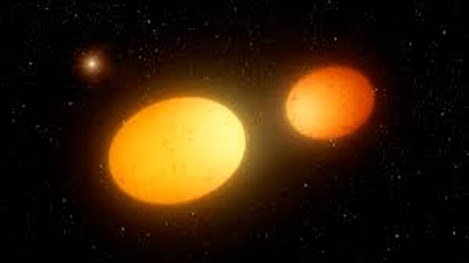
Heartbeat stars are variable, pulsatile binary star systems. They are pairs of stars that orbit and have very eccentric oval-shaped orbits. As a result, the distance between the two stars varies dramatically. The stars come close and then move away in orbit.

When the stars come close, the mutual gravitational pull between the two stars will change their shapes and cause vibration, which continues until they come close again. So even when they are away, they vibrate. As a result, the stars become slightly ellipsoidal, leading to variation in their brightness.

The stars exercise maximum gravitational force on each other when they are close. Due to this, force the ‘Heartbeat stars ‘to vibrate. Therefore their diameters fluctuate rapidly.

Why are they called Heartbeat stars?

A curve is produced when one marks the ‘Heartbeat stars’ brightness variation on a graph. The star’s light curve resembles an Electrocardiogram-electrical activity of the heart recorded on paper.

Now the brightness variation of the light is converted into audio-one can hear the heartbeats of the stellar companion.

How many Heartbeat stars are discovered?

Over 170 Heartbeat stars have been discovered so far. Many of these are billions of years old.

The stars come very close to each other and probably do not colloid.

When they are close, the tidal force of each star will deform the shape of the other and trigger vibration in each star. As a result, the star may become egg-shaped or even drop-like. For example, the star HD 74423 is teardrop-shaped.

Heartbeat stars rotate slowly and travel slowly in a highly elliptical orbit around the common mass center. The Heartbeat stars are bigger, brighter, and hotter than our

sun.

Many observations and studies are essential to understand and solve the mystery of the ‘heartbeat stars.’

Hashtag: English#Stars#Heartbeat stars #Kepler Space Telescope#

Internal Link:

https://blog.totalphysiology.com

Permalink

?https://blog.totalphysiology.com/2021/11/what-is-ecg-ekg-waves-segments-intervals.html

External link: https://en.m.wikipedia.org>wiki

Let’s start with a quick overview of all our current blocks available in your WordPress editor. You can find all these blocks inside your block library via searching for their name or simply by searching “Crowdsignal”.

           Congenital iodine deficiency syndrome| Cretinism

Table of contents:

1.Introduction
    2.Causes
    3.Signs and symptoms
    4.Diagnosis
    5.Treatment

    The cretinism term is (obsolete ) replaced by the word ‘congenital iodine deficiency syndrome.’ The term cretin refers to a person suffering from cretinism that is not in vogue.

    The ‘congenital iodine deficiency syndrome ‘ has features of

    1. Physical growth retardation, and
    2. Mental retardation.

    Causes

    The ‘congenital iodine deficiency syndrome is caused by extreme hypothyroidism during

    Fetal life.

    Infancy, and

    Childhood’

    This is due to deficiency of iodine in mother-Endemic cretinism in most cases. Goiter may be present.

    Other etiological factors are rare; they occur.

    Agenesis /hypogenesis of thyroid gland.

    The ectopic thyroid gland, Congenital deficiency of some enzymes in thyroid hormone synthesis, and autoimmune thyroiditis may cause congenital iodine deficiency syndrome.

    Sign and symptoms

    Signs and symptoms are due to decreased thyroid hormones and are broadly grouped into physical and mental features.

    Congenital iodine-deficiency syndrome is present at birth and characterized by retarded physical activity. Early diagnosis and treatment are essential to prevent intellectual damage. Neonatal screening is critical, and if there is evidence of thyroid hormone deficiency, treatment is started immediately as progressive mental -intellectual deterioration occurs with each passing week if not treated properly. Treatment in infancy will restore some physical changes but not the neural defects.

    Treatment

    Initiation of treatment with thyroxine 15 microgram /kg/day is recommended. Thyroxine tablet is crushed in a spoon and mixed with milk and given -tablet is tasteless and well accepted by infants.

    Average thyroid hormone level is essential for brain development, neuron maturation, mental power, and the myelination process in the central nervous system. A progressive mental-intellectual deterioration occurs with each passing week if not treated properly.

    Mental deterioration is widespread, and thoughts and reflexes become sluggish with reduced muscle tone. A person cannot speak in severe cases—incoordination of movements of varying degrees. The person cannot stand and walk and depends on others for primary care.

    Cognitive defects are present.

    Physical defects: Bone growth is more affected than soft-tissue growth. There is a disproportionate rate of change in soft tissue and skeletal tissue, causing excessive soft tissue enlargement. So, the child with congenital iodine deficiency syndrome is obese and stocky. The tongue becomes large and protrudes from the mouth. It may obstruct respiration and deglutition.It causes deep respiration and even chocks respiration.

    Short stature, thick skin, hair loss, enlarged tongue, protruding abdomen. Delay in bone maturation.

    https://blog.totalphysiology.com/2022/01/pituitary-gland secretion hormones.html

    https://blog.totalphysiology.com/2022/02/ thyroid hormones.endocrine-gland.html

    Differences between hypothyroidism and hyperthyroidism

    Hypothyroidism

    Hypothyroidism

    Hypothyroidism is due to reduce hormone secretion by the thyroid gland for a prolonged time. Hypothyroidism is derived from the Greek words’ hypo-reduced, thyreos-shield, and eidos-‘form.’

    Hypothyroidism is characterized by an increased level of TSH and the average level of T3 and T4. Subclinical hypothyroidism is more common than hypothyroidism.

    Incidence of Hypothyroidism

    About one billion people are suffering from iodine deficiency. But the incidence of hypothyroidism is not known.

    Hypothyroidism occurs more in females than males.

    People above 60 yrs are more commonly affected.

    Causes

    1. In developing countries, this is due to iodine deficiency.

    2. In developed countries, hypothyreosis is due to the autoimmune disease Hashimoto’s thyroiditis.

    3. Thyroid surgery

    4. Radioactive iodine therapy

    5. Congenital

    6. Injury or diseases of the hypothalamus

    7. Injury or diseases of the anterior lobe of the pituitary.

    Types

    The hypothalamo-pituitary-thyroid axis is responsible for the proper secretion of the thyroid hormones.

    1. Primary hypothyroidism –The thyroid gland is not secreting hormones despite stimulation from ‘thyroid-stimulating hormone.’ This is the most typical type of hypothyroidism. Iodine deficiency is the commonest cause of primary hypothyroidism. Iodine deficiency is worldwide.

    Thyroiditis of various causes, radioiodine treatment, thyroid surgery, thyroid dysgenesis.

    2. Secondary hypothyroidism –The pituitary gland is not secreting ‘thyroid-stimulating hormone’ in an adequate amount. The causes are – pituitary adenoma, pituitary apoplexy, Sheehan syndrome, and subarachnoid hemorrhage.

    3. Tertiary hypothyroidism: The hypothalamus does not secrete thyrotropin-releasing hormones in adequate amounts. This is an infrequent cause of hypothyroidism.

    [Central hypothyroidism= Secondary hypothyroidism + Tertiary hypothyroidism]

    https://blog.totalphysiology.com/2022/04/hypothyroidism-new-approach.html

    Hyperthyroidism

    Increased secretion by the thyroid gland increases levels of ‘tri-iodo-thyronine’ T3 and ‘tetra-iodo-thyronine’ T4 in circulation. The high levels of the hormones cause hyperthyroidism.

    When thyroid gland secretion increases due to autoimmunity, it is known as thyrotoxicosis or exophthalmic goiter.

    Thyrotoxicosis is an auto-immune disorder in which ‘Thyroid stimulation antibodies ‘are formed by plasma cells after activation by antigens.

    Thyroid stimulation antibodies (TSA), Long-acting thyroid stimulator( LATS), or Thyroid stimulating immunoglobins (TSI) are formed. It acts like normal TSH. The Long-acting thyroid stimulator or thyroid stimulation antibody (LATS, TSA) is IgG.

    LATS protectors are produced, which protect the inactivation of LATS, so LATS functions are prolonged.

    Mechanism of action:

    LATS binds with TSH receptors present on the cell membrane of the thyroid cells by displacing the TSH. After combining with the receptor stimulates adenyl cyclase through Gs to form cyclic adenyl cyclase and activates Phosphorylase C like TSH. The cyclic adenyl cyclase activated Phosphorylase C performs many functions.

    1.    Increase T3 and T4 secretion by increasing iodide (I- ) trapping and transport mechanism.

    2.    Binding of iodide (I- ) to tyrosine.

    3. Increase thyroglobulin synthesis in the colloid. The colloid iodide (I- ) gets oxidized immediately by ‘thyroid peroxidase’ into Iodine. First, Iodine binds to the third position of tyrosine to form ‘mono-iodo- tyrosine( MIT ), and in the next step, ‘mono-iodo- tyrosine( MIT )’ is iodinated at the fifth position to form ‘di-iodo- tyrosine( DIT ).’

    https://blog.totalphysiology.com/2022/04/hyperthyroidism-thyrotoxicosis-new.html

    Differences between hypothyroidism and hyperthyroidism

    polymenorrhea. Loss of libido in males and decreased libido in females.HypothyroidismHyperthyroidism
    1.Lassitude, undue fatigue, increased appetite but weight loss, diarrhea, hyperexcitable, hyperactive.weakness, nervousness,
    inability to sleep.

    Lassitude, undue fatigue, weight gain, Decreased BMR, very sluggishness, muscular and mental sluggishness.
    2.Heat intoleranceCold intolerance.
    3.Sweating increased, warm moist skinSweating decreased, dry skin, hair loss,
    4.Mild diarrheaConstipation
    5.The reaction time of knee jerk decreased (normal is 20 seconds) Delayed relaxation of ankle jerk.
    6.Increased heart rate, increased cardiac outputdecreased heart rate decreased cardiac output
    7.Oligomenorrheapolymenorrhea. loss of libido in males and decreased libido in females.
    8.Exophthalmos may developMyxedema may develop.

    Internal link: https://blog.totalphysiology.com/2022/01/2021-pituitary gland secretion hormones.html

    https://blog.totalphysiology.com/2022/01/2021-thyroid hormones hormones.html

    External link: https://en.m.wikipedia.org>thyroid

    https://en.m.wikipedia.org>wiki/Graves27%_disease

    Read more: Differences between hypothyroidism and hyperthyroidism

    https://learn-and-fly.co.in Conn’s syndrome

    https://learn-and-fly.co.inAddison’s Disease

    Why some persons are giant like

    Read more: Differences between hypothyroidism and hyperthyroidism

    Why some persons are giant like

    Gigantism and Acromegaly

    Keywords: IGF-1 levels, gigantism, acromegaly level of IGF-1.

    Table of contents:

    1.Introduction
    2.Incidence
    3.Features of
    Acromegaly
    Gigantism
    4.Causes
    5.Diagnosis
    6.Complications
    7.Treatment

    Introduction :Abnormal excess secretion, i.e.hypersecretion of growth hormone, causes gigantism and acromegaly.

    When hypersecretion of growth hormone occurs before the fusion of the long bones epiphysis leading to tall stature, hypersecretion of growth hormone causes increases in the size of bones.  Therefore, before puberty, the growth hormone increases the length of bones leading to increased height and is called gigantism.

    Acromegaly: hypersecretion of growth hormone after the fusion of the long bones epiphysis, i.e., after puberty, increases bone size, especially bones of hands, feet, and face.  The condition is known as acromegaly.

    Incidence :  is very low only 0.001%.  10 new cases/1000,000 population.

    Male and females are equally affected.

    Usually appears in 5th decade of life.

    Etilogy of Gigantism and acromegaly

    Some genetic syndromes like neurofibromatosis, Carney complex, McCune-Albright syndrome, and Multiple endocrine neoplasias are associated with hypersecretion of the growth hormone.             

    1.  Adenoma in the anterior pituitary gland is responsible for more than 95% of cases.  In addition, familial idiopathic pituitary adenoma is responsible in some cases.

    2.  Excess secretion of ‘growth hormone-releasing hormone from a hypothalamic adenoma,

    3.  In some cases, neuroendocrine tumors from the lungs or pancreas secrete growth hormone-releasing hormone causing hypersecretion of Growth hormone.

    4.  In some cases, abdominal and other tumors can secrete ‘growth hormone-releasing, hormone causing hypersecretion of the growth hormone.

    Features of acromegaly:

    Acromegaly develops very slowly.

    .

    1.  Enlargement of hands and feet due to bone thickness and soft tissue swelling.  Bony changes are permanent.  The extremities have a ‘dough-like consistency.

    2.  Increased sweating-hyperhidrosis.

    3.  Weakness, lethargy, kyphoscoliosis.

    4.  Acromegaly facies are characteristic of acromegaly.  The features of acromegaly facies are a broad nose, large lips, enlarged tongue, coarsening of face, prominent supraorbital ridges, and enlarged jaw.

    5.  Deep voice

    6.  Obstructive sleep apnea.

    Gigantism

    Gigantism is a rare condition suspected when there is a rapid increase in the length of a person.  Gigantism is usually associated with other syndromes, so features are multiple.

    Diagnosis

    1.  EstimationofIGF-1 level is used to diagnose.

    2.  EstimationofGH levels is used to diagnose.

    3.  MRI and CT

    3.  Prolactin estimation.

    4.  Estimation of levelsof hormones of the anterior pituitary.

    Treatment

    Aims of management of acromegaly/ gigantism are

    1.  Remove tumors secreting Growth hormones and ‘growth hormone- releasing hormone’-if possible.

    2.  Radiation therapy if removal of adenoma is not possible.

    3.  Medical therapy is available-

          Dopamine agonists-cabergoline is a D2 receptor agonist that acts on the D2 receptors in somatotrophs and decreases GH secretion.

           GH receptor antagonists.

    Complications

    1.  Cardiomyopathy

    2.  Hypertension

    3.  Arthropathy

    4.  Obstructive Sleep Apnea.

    Hypopituitarism may occur due to surgery or radiation.  Therefore, assessing hormones of anterior pituitary levels and hormone replacement may be needed.

    Tags:  Causes of acromegaly and gigantism #diagnosis #management#Hormones responsible for acromegaly#

    Internal Link: http://blog.totalphysiology/2022/04/growthhormone-gigantism acromegaly.html.

    External Link:    https://www.ncbi.nim.nih.gov>books/NBK538261/

    Conn’s syndrome

    1.Introduction
    2.Causes
    3.Signs and symptoms
    4.Diagnosis
    5.Prognosis
    6.Prevention
    7.Treatment

    Conn’s syndrome, primary hyperaldosteronism, or primary aldosteronism is due to excessive aldosterone secretion from the zona glomerulosa of the adrenal cortex.’

    https://blog.totalphysiology.com/2022/03/recent-aldosterone-synthesis-regulation.html

    Incidence:-very rare

    Cause: 1. Unilateral or bilateral adenoma of the zona glomerulosa of the adrenal cortex.

    2. Rarely, it may be due to congenital defects.

    3. Very rarely unilateral or bilateral cancerous growth of zona glomerulosa of the adrenal gland.

    Signs and symptoms: Aldosterone controls sodium and potassium levels in the blood. Excess aldosterone causes increased sodium retention in the body and increased potassium excretion from the body.

    Increased sodium retention in the body causes water retention and, therefore, increased blood pressure. The condition manifests as hypertension and complications of hypertension such as headache, stroke and heart attack, heart failure, and renal failure.

    Increased potassium excretion from the body causes low potassium -hypokalemia. Features of hypokalemia manifest in (a) the heart, such as irregularities of the heart rhythm, and (b) the muscles, such as weakness, fatigue, inability to walk, and tetany.

    Marked weakness

    Polyuria -increased frequency of urination, polydipsia -increased and excessive thirst.

    Hypertension

    Tetany

    Diagnosis

    1. Increased level of aldosterone in plasma and urine(.normal level in plasma is 3-10 ng%)

    2. Increased plasma level of sodium. (normal135-145 mEq/L)

    3. Decreased plasma level of potassium ( normal3.5-5 mEq/l)

    4. Features of metabolic alkalosis.

    5. computerized tomography (CT) scan.

    6. Magnetic resonance imaging(MRI)

    Prognosis: Medical treatment: Conn’s syndrome can be managed by drugs.

    Surgical treatment: surgical removal of adrenal gland tumor- adenoma can cure Conn’s syndrome.

    Prevention: Conn’s syndrome can not be prevented.

    Treatment:

    Lifestyle changes are helpful-exercise, salt (sodium )restriction, potassium-rich fruits in the diet, no smoking, no alcohol, and no heavy work.

    Medical: drugs-spironolactone block aldosterone actions.

    Surgical: They may be removed if this is due to adenoma/tumors. Treat the cause.