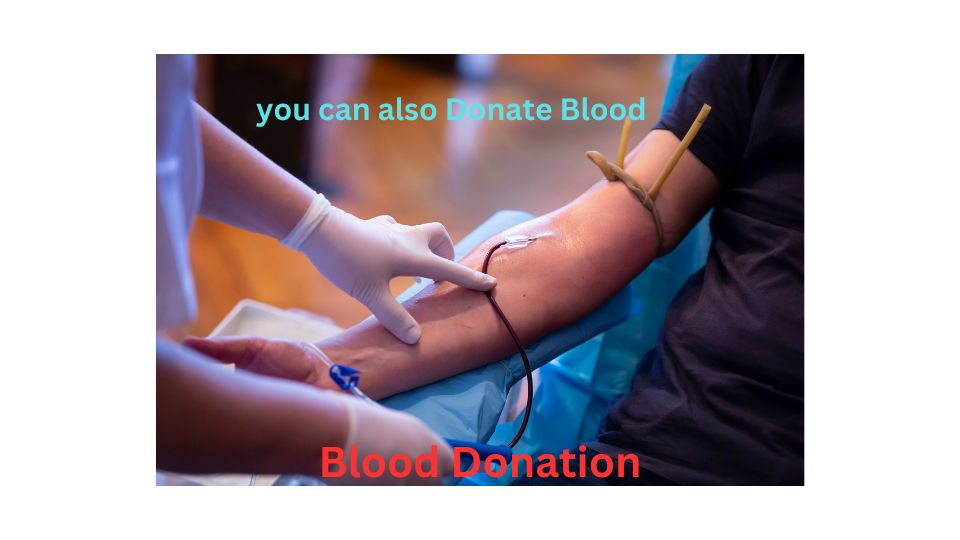
H1 Who is eligible for Blood Donation in India?
Adequate blood is vital to life. Without sufficient blood, we cannot survive. Blood is formed in the body; despite tremendous development, we cannot manufacture blood outside our bodies. Therefore, blood donation is of paramount importance to save human lives.
National Voluntary Blood Donation Day is 1st October
H2 Table of contents
Who can donate blood in India?
Criteria of Blood donation?
Who can donate blood in India?
Who can not donate blood in India?
Are there any health benefits for regular blood donors?
Side effects on your health?
Who can donate blood in India?
Men and women between 18 to 65 years and weighing 50 kilograms can donate blood safely.Men can donate blood every three months,and women can donate every four months.
Transgender people and gays can’t donate blood in India, according to existing law.
Criteria of Blood donation?
Let us explain the criteria in detail.
· Age between 18 to 65 years.
· Male and female. Gays and transgender people are not allowed to donate blood.
· Healthy mental and physical- individuals.
· Haemoglobin at least 12.5 gm/deciliter of blood.
· Blood pressure systolic 100-180 mm. of mercury and diastolic 60 to 100 mm. of mercury.
· Not suffering from acute infections like colds, sore -throat, cough, or viral infections.
· Must be afebrile, not suffering from fever.
· Not suffering from tuberculosis, Diabetic mellitus, Hepatitis B, C, or any hepatitis, HIV, or Syphilis. Parkinson’s disease.
· A woman who is not pregnant or not lactating can give blood.
· Women during periods -menstruation not donate.
· Nonalcoholic, not drug addicts, can give blood.
· Individuals not immunized within one month can donate.
· Individuals who have not donated blood within three months in the case of males and four months in females.
According to Ministry of Health, Government of India guidelines, a healthy individual who cannot transmit infections and diseases through his blood can donate blood.Let us explore in detail the criteria for who can donate blood.
Who can not donate blood in India?
Let us delve into conditions due to which an individual becomes unfit to give blood:
· Transgender people and gays.
· A pregnant woman can not donate but can donate after one year of delivery.
· A lactating woman can give blood when she stops feeding her baby.
· A woman can not give blood during periods of menstruation.
· Alcoholic and drug addicts
· Individuals who have HIV, Hepatitis B, C, liver, cardiac, and renal diseases.
· Individual with low hemoglobin concentration.
· Has recently traveled to areas where kalazar, malaria, and zica infections are endemic.
· Is suffering from cancer, allergic diseases, and bleeding disorders.
· Have suffered from tuberculosis or any cancer.
· Is taking some drugs for chronic diseases.
Are there any health benefits for regular blood donors?
When you donate blood, you have some mental and emotional benefits. The Mental Health Foundation reports that giving blood reduces stress and improves emotional well-being. You feel your blood will save at least three lives, leading to happiness in their families. You feel exalted. Some societies will encourage you. Last but not least is your faith that you will get blood in an emergency.
There is no proven beneficial effect on your physical health.
Side effects on your health.
Blood donation is safe. There is no risk of infection, as new sterile equipment is used for each donor, and trained health professionals are present during donation with all life-saving measures.
However, you may feel dizziness, weakness, and pain at the venepuncture site.
FAQ
Can a woman donate blood during pregnancy?
No.
Can a woman donate blood during menstruation?
No.
Can a 17-year-old boy donate blood in India?
In India, he can not donate blood.
Can a 67- year-old donate blood in India?
In India, he can not donate.
How much blood is donated at a time?
About 350 ML.
How much blood is present in one unit?
350 ML
Links:
http://nbtc.naco.gov.in/page/eligibility/%22
https://www.who.int/campaigns/world-blood-donor-day/2018/who-can-give-blood

 learn-and-fly.co.in