Obesity: A Comprehensive Overview of Causes, Health Risks, and Treatment Approaches
https://pagead2.googlesyndication.com/pagead/js/adsbygoogle.js?client=ca-pub-6860029478945130
Keywords:
Obesity |definition| Excessive body fat|Causes | Excessive food consumption|Insufficient physical activity| Genetic predisposition to obesity | Endocrine disorders and obesity| Medications and obesity| Psychiatric illnesses| Slow metabolism and weight gain| Body Mass Index (BMI), Waist circumference| Abdominal obesity,
Table of content:
| 1. | What is obesity |
| 2. | Assessing obesity |
| 3. | Classification of obesity |
| 4. | Causes of obesity |
| 5. | life style |
| 6. | Health risks |
| 7. | Management |
| 8. | Approach of sustainable weight loss |
H2: What is Obesity
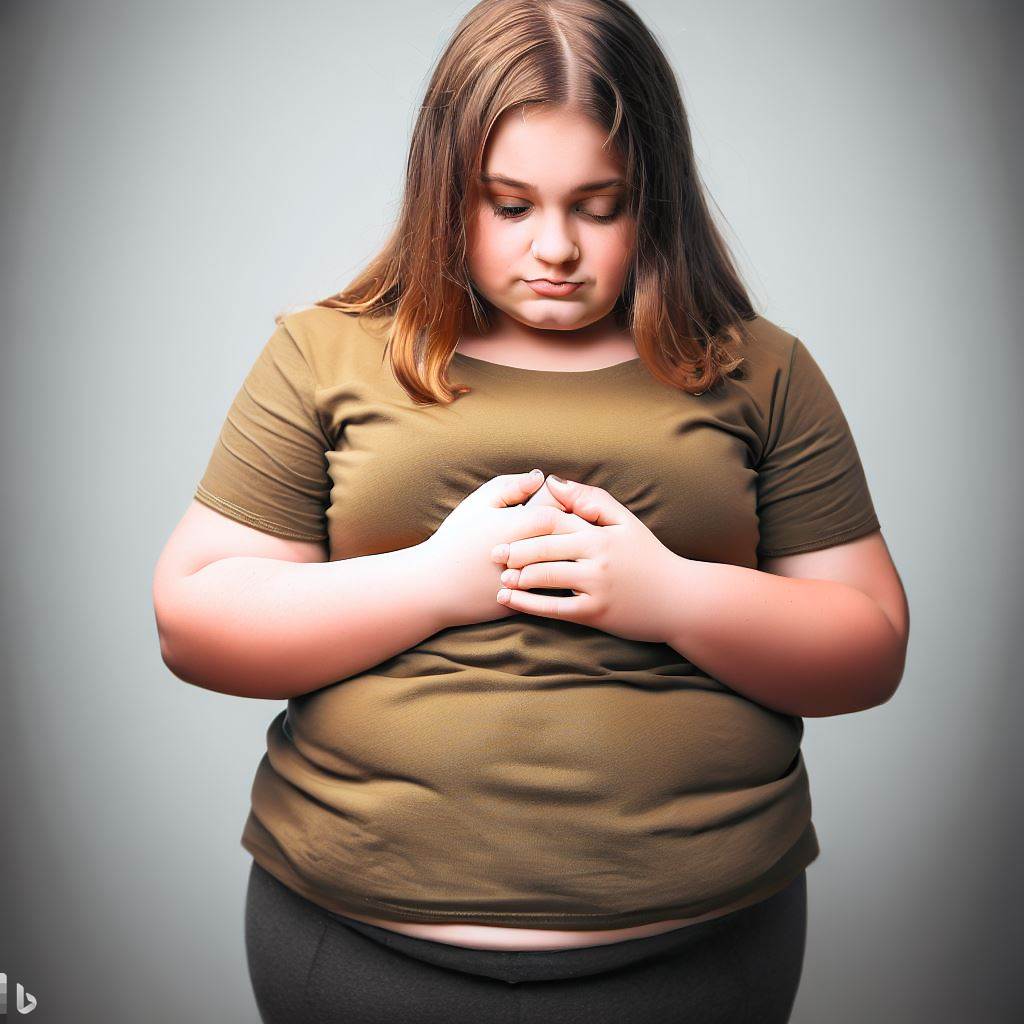
Obesity is a medical condition associated with excessive body fat accumulation, leading to lower life expectancy and increased health-related problems. It is accompanied by a higher risk of different diseases, specifically heart disease, type 2 diabetes, obstructive sleep apnea, certain types of cancer, and osteoarthritis.
The primary causes of obesity are excessive food and energy consumption, insufficient physical activity, and genetic predisposition. However, few cases may be attributed to specific genetic factors, endocrine disorders, different medications, or psychiatric illnesses.
While there is limited evidence to support the notion that slow metabolism contributes to weight gain in some obese individuals who consume less, on average, obese individuals have more significant energy expenditure due to the maintenance of increased body mass.
H2: Assessing Obesity and Classification with Body Mass Index (BMI) & Waist Circumference
Obesity is often calculated and classified using a widely accepted method called the body mass index (BMI). BMI estimates body fat based on the weight and height of an individual. BMI is measured using a person’s weight (in kilograms) divided by the square of their height (in meters).
The classification of BMI for adults includes underweight (BMI ≤ 18.49 kg/m²), average weight (BMI 18.5-24.9 kg/m²), overweight (BMI 25-29.9 kg/m²), obese (BMI over 30 kg/m²), and morbidly obese (BMI over 40 kg/m²). In children, obesity is classified using BMI percentiles compared with children of the same age and sex.
Additionally, waist circumference is widely used for classifying individuals with atypical muscle-to-fat ratios. It is worth noting that BMI may overestimate body fat in very muscular individuals and underestimate it in certain racial and ethnic groups, for example, Asians who tend to have greater adiposity per BMI level.
Abdominal obesity, measured above a BMI of 35 kg/m², is now considered a better indicator for health problems than total body mass.
H2: Causes of Obesity: From Individual Lifestyle Factors to Societal Influences
The causes of obesity can be attributed to excessive food intake and a sedentary lifestyle at an individual level. However, societal factors such as easy access to palatable diets, increased reliance on cars, and mechanized manufacturing contribute to the rising rates of obesity.
Other possible contributors include insufficient sleep, exposure to endocrine disruptors, decreased variability in ambient temperature, reduced smoking rates (which suppress appetite), increased use of medications associated with weight gain, proportional increases in heavier ethnic and age groups, later age pregnancies, epigenetic risk factors, natural selection for higher BMI, and assortative mating leading to the concentration of obesity risk factors.
H2: Health Risks and Impacts of Obesity Across Ages and Ethnicities
Obesity poses numerous health risks and is a known risk factor for major causes of death, including cardiovascular disease, various cancers, and diabetes, ultimately leading to significantly reduced life expectancy.
It is also associated with osteoarthritis, gallbladder disease, sleep apnea, respiratory impairment, diminished mobility, low health-related quality of life, and social stigmatization.
For both children and adolescents, obesity raises the risk of type 2 diabetes, asthma, nonalcoholic fatty liver disease, and mental health issues such as depression and low self-esteem, etc. Various factors are associated with obesity, including ethnicity; people in African-American and Hispanic experience increased rates of weight gain and obesity compared to Caucasians and Asians.
H2: Managing Obesity: Approach of Sustainable Weight Loss
The treatment of obesity is designed to address the underlying causes and removal of excess fat through dietary changes and increased physical activity. Medical supervision is advised for weight loss because quick-fix diets and dietary fats often yield limited long-term effectiveness and can harm health.
Lifestyle modifications are vital to achieving sustainable weight loss, including increased physical activity and maintaining a balanced diet focusing on reducing calorie intake and substituting refined carbohydrates with fruits and vegetables.
Conclusion
In conclusion, obesity is one of the major global health problems with significant prevalence and adverse health consequences. It associates with a complex interplay of genetic, environmental, and lifestyle factors.
Proper management of obesity requires a combination of healthy eating habits, regular physical activity, behavior modifications, and, in some cases, medical or surgical interventions.
Tags: Causes of obesity #Lifestyle factors # Societal influences #Health risks# Cardiovascular disease #Cancer # diabetes# Osteoarthritis# Ethnicity, and obesity# Managing obesity,# Dietary changes# Physical activity # weight loss# Quick-fix diets# Balanced diet# Lifestyle modifications # Healthy eating habits # Medical # Surgical interventions for obesity
https://pagead2.googlesyndication.com/pagead/js/adsbygoogle.js?client=ca-pub-6860029478945130
Links:
https://blog.totalphysiology.com/2021/10/bmi-body-mass-index calculationutility.html
https://blog.totalphysiology.com/2021/10/obesity-cause effect.html
References:
Kelly A. Orringer, ‘Obesity Prevention and Management, UMHS Obesity Prevention and Management, University of Michigan Health, pp. 01-11, 2020
Nahed M MEmam. ‘Obesity Disorder and Methods of Treatment.’ Cohesive J Microbiol Infect Dis. 6(3). CJMI. 000639. 2023.
Britannica, The Editors of Encyclopaedia. “obesity.” Encyclopedia Britannica, 27 Apr. 2023, https://www.britannica.com/science/obesity. Accessed 18 June 2023.
 learn-and-fly.co.in
very informative article, well explained.
LikeLike